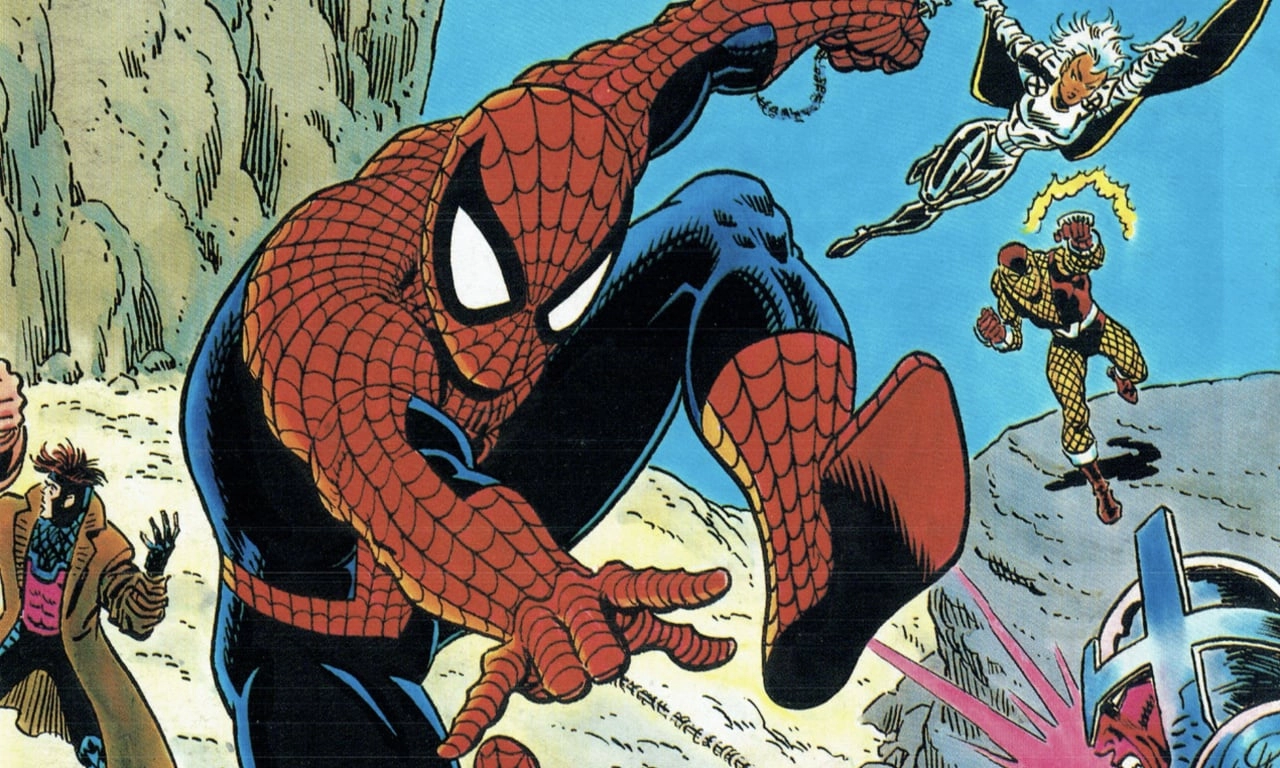
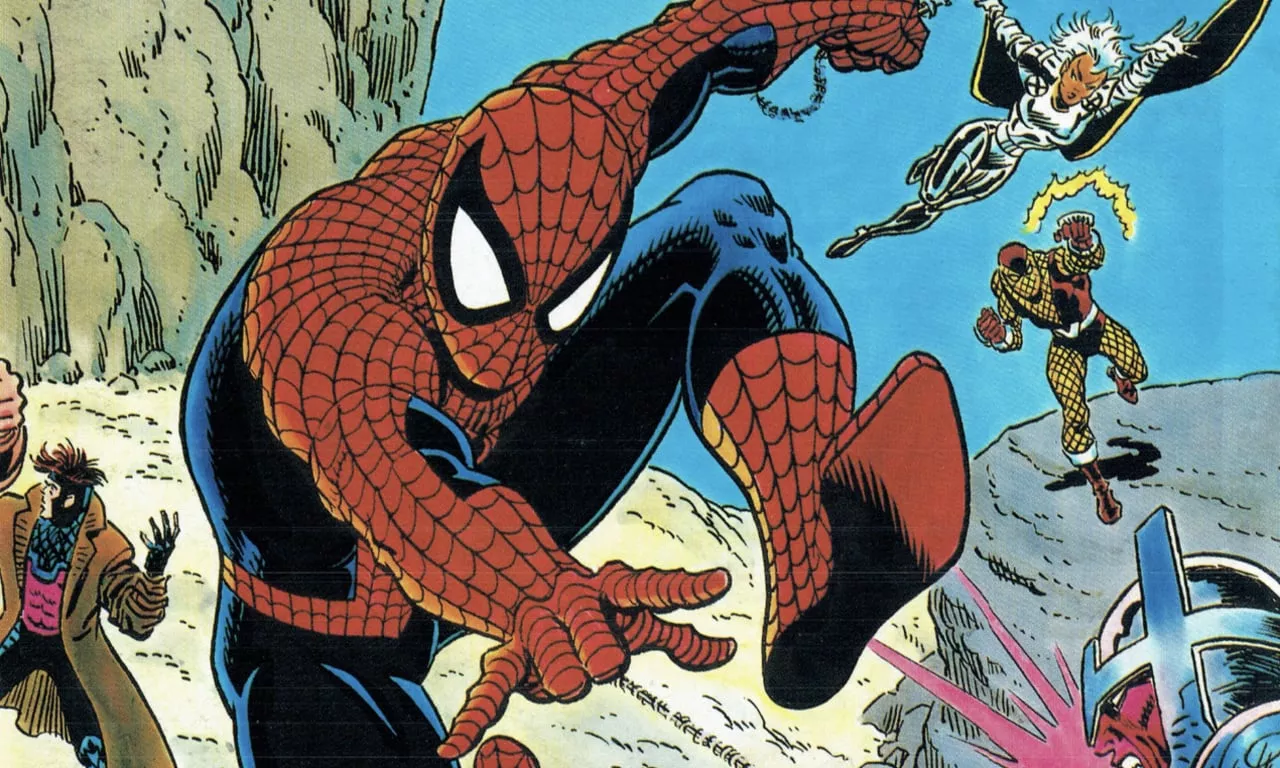
The world of video game music has lost one of its pioneering figures, Geoff Follin, whose work alongside his brother Tim Follin brought unforgettable soundtracks into the lives of countless gamers during the 1980s and early 1990s. The brothers are particularly remembered for utilizing the limited audio capabilities of early gaming systems to create complex, catchy, and memorable tunes that elevated the gaming experience. Their most renowned compositions include soundtracks for games like "The New Zealand Story" and "Terminator 2" on NES, "Spot: The Video Game" on Game Boy, and "Spider-Man and the X-Men in Arcade's Revenge" on SNES.
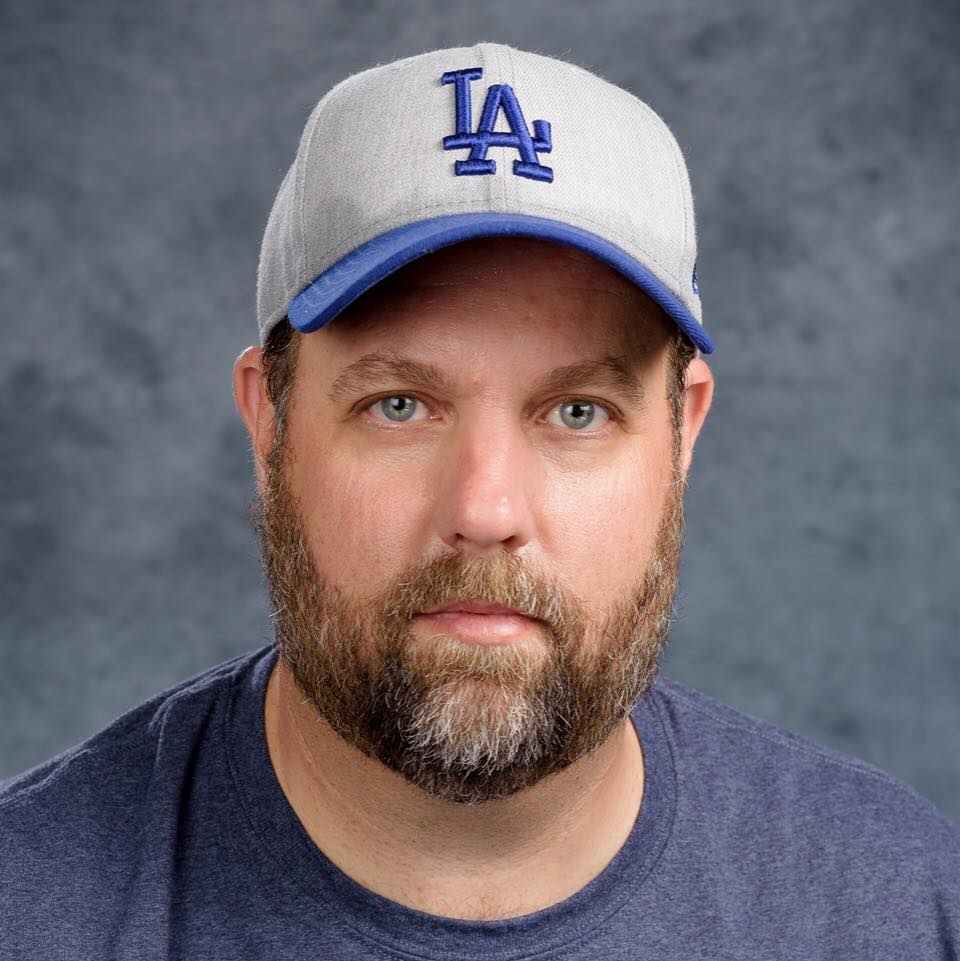
Geoff's passing was recently announced by his brother, Tim, through a heartfelt message on social media, revealing that Geoff was diagnosed with pancreatic cancer only shortly before his death on May 7th. Unfortunately, the illness progressed rapidly, leaving his family and friends with little time to prepare. Tim shared his profound sorrow and devastation over the loss, highlighting the close bond the brothers shared and the influence Geoff had on his own life and career. The abruptness of Geoff’s passing has sent shockwaves through his family, who are grappling with the overwhelming loss of a husband and father who was deeply adored by his wife and three children, the youngest of whom is only 16.
Geoff’s musical journey began in their family home, inspired by a lineage of musicians that included their mother and grandmother. While Geoff initially pursued a different path, studying Environmental Biology at the University of Nottingham, his trajectory shifted when Tim, who had decided to pursue a career in music, invited him to join Software Creations, a game development studio in Manchester. This marked the beginning of their collaborative career in the video game industry. The brothers' complementary talents led to the creation of some of the most distinctive game scores of their time, pioneering new techniques and demonstrating the possibilities of video game music.
Despite his success, Geoff decided to leave the video game industry in 1995 after working on "Batman Forever". His life took a quieter turn, focusing more on his personal well-being and family. Tim's tribute noted that Geoff was a picture of health – he never smoked, drank minimally, exercised regularly, and maintained a healthy diet. This makes his sudden diagnosis and subsequent rapid decline even more tragic, highlighting the unpredictable and aggressive nature of pancreatic cancer.
Tim’s message not only mourns his brother's loss but also serves as a stark reminder of the ruthless nature of pancreatic cancer, emphasizing the need for further research and funding towards finding a cure for this devastating disease. He urges people to consider supporting pancreatic cancer research, hoping that future advancements might prevent other families from experiencing similar heartbreak.
The impact of Geoff Follin’s work is significant, with his compositions continuing to be celebrated by fans around the world. His ability to harness the full potential of the video game sound chips of the time helped define the auditory style of a gaming era and inspired many who followed in his footsteps. Geoff’s legacy is not just in the notes he composed or the games he enhanced, but also in the community of musicians and gamers he influenced, who continue to remember and honor his contributions to the fabric of video game history.
As the gaming community reflects on Geoff Follin’s contributions and mourns his passing, there is a renewed appreciation for the artistry and innovation he brought to the industry. His music transcends the platform for which it was created, continuing to inspire and resonate with new generations of gamers and composers alike. It is a poignant reminder of the power of music to connect us, move us, and enrich our experiences in ways that are profound and lasting.
You must be logged in to post a comment!
