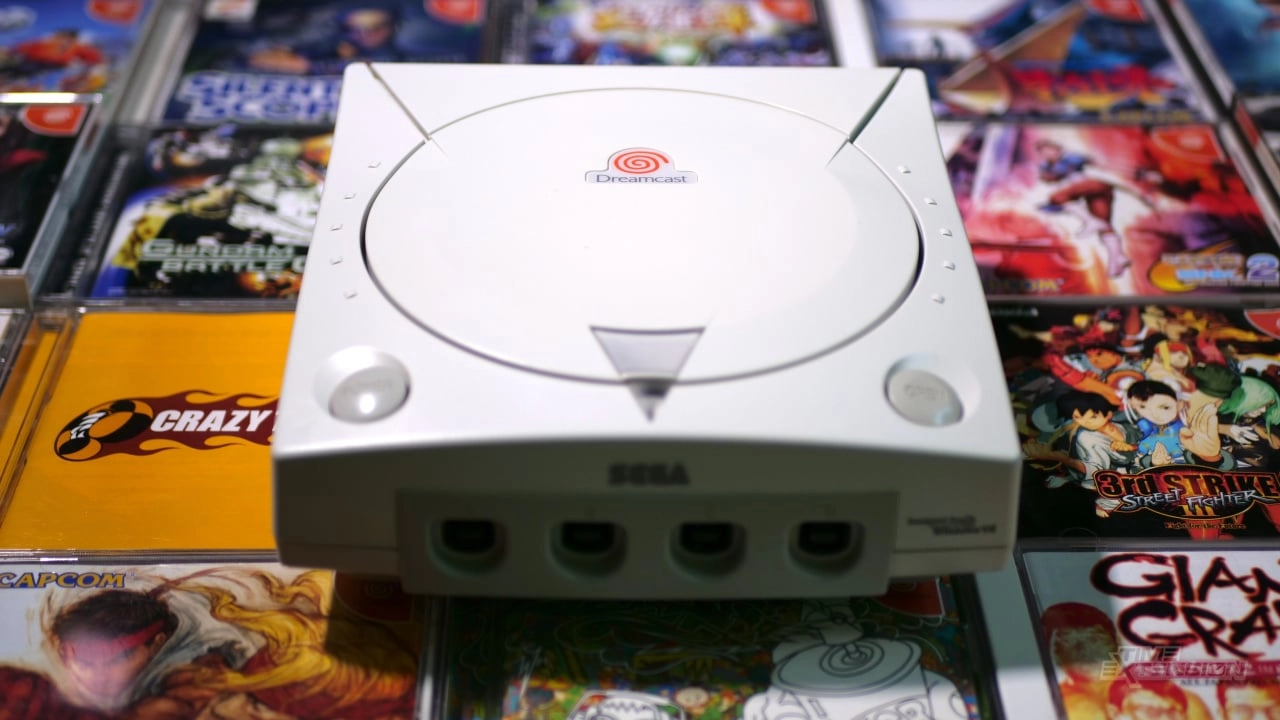
Twenty-five years ago, the gaming world witnessed an event that would forever change its landscape—the North American launch of Sega's Dreamcast console. On September 9, 1999, marked by the iconic "9.9.99" date, the Dreamcast made its grand entrance into the U.S. market, following its initial release in Japan on November 27, 1998. Priced at $199, the console hit the shelves alongside a robust lineup of 18 games, showcasing Sega's commitment to providing a rich gaming experience from day one.
The Dreamcast’s debut was nothing short of phenomenal. It sold over 225,132 units within the first 24 hours, generating $98.4 million in revenue. This record-setting sales figure led then-president of Sega of America, Peter Moore, to celebrate the console's launch as "the biggest 24 hours in entertainment retail history." Moore later shared on social media how he came to this conclusion, noting that even the blockbuster film "Star Wars: Phantom Menace" had only grossed $24 million in its first 24 hours, a benchmark they confidently surpassed.
The success of the Dreamcast in North America was a beacon of hope for Sega, especially considering its less favorable reception in Japan where sales had started to decline. In the U.S., however, the console quickly gained market share, driven by its strong game lineup which included notable titles and in-house sports games. By Christmas of 1999, Dreamcast had secured over 30 percent of the US market, with sales topping one million units.
Despite this initial surge in popularity and commercial success, Sega faced multiple challenges. The fierce competition in the console market and the high cost of maintaining their hardware development led Sega to a pivotal decision. The company announced it would cease the production of its hardware units and transition into a third-party software publisher, marking the Dreamcast as its final console.
Today, the Dreamcast is fondly remembered for its pioneering technology and a game library that has endured in the hearts of gamers. Classics such as "Power Stone," "Shenmue," "Ikaruga," "Skies of Arcadia," "Crazy Taxi 2," "SoulCalibur," "Marvel vs. Capcom 2," and "Border Down" are just a few titles that made the console beloved by many. These games not only defined the Dreamcast's legacy but also continued to influence the gaming industry long after the console’s life span.
The Dreamcast was also ahead of its time in online gaming, being one of the first consoles to include built-in modem support for internet connectivity, which allowed players to compete online, a feature that has now become standard across all gaming platforms. The innovative VMU (Visual Memory Unit), although a small addition, provided a second-screen experience in the controllers themselves, allowing players to engage with their games in unique ways.
Reflecting on Dreamcast’s historical significance in the gaming industry, it’s clear that its influence goes beyond mere nostalgia. The Dreamcast was a trailblazer for many technologies and gaming conventions we see today. Its commitment to innovation and the monumental launch left an indelible mark on the industry, demonstrating what was possible and setting new standards for gaming consoles to come.
As we celebrate the 25th anniversary of its launch, it’s important to recognize not just the technological achievements, but also the joy and community it fostered among gamers. The legacy of the Dreamcast continues to live on, cherished by those who experienced its magic and those who continue to discover its games today.

You must be logged in to post a comment!
