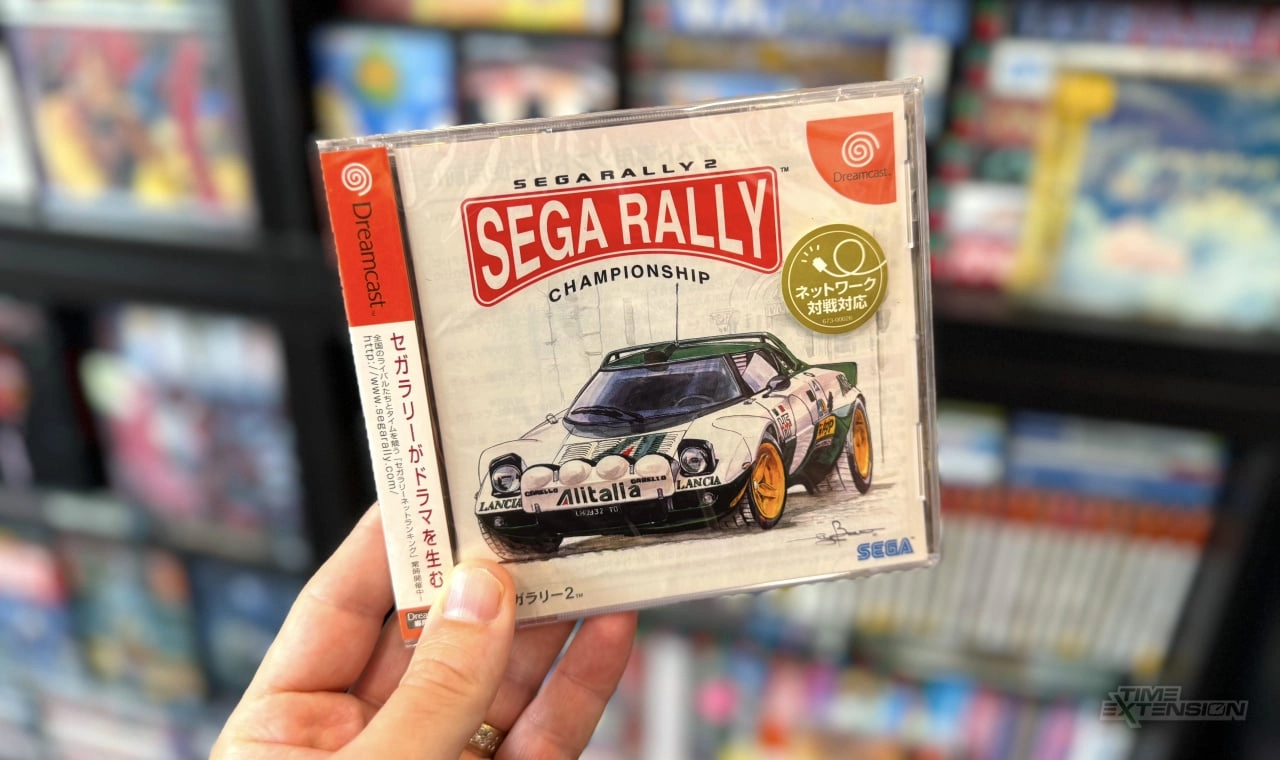
In the world of video game art and motor sports illustration, few names are as revered as Kazuhiro Ikeda, fondly known in artistic circles as 'Bow'. It is with a heavy heart that the gaming and art communities acknowledge his passing at the age of 78. Ikeda left an indelible mark on the industry with his captivating illustrations, most notably the cover art for the Dreamcast port of Sega Rally 2. This piece, featuring the Lancia Stratos in watercolor, is celebrated as one of the most recognizable artworks in the realm of racing games.
Ikeda's career was characterized by his profound ability to capture the dynamic essence of sports cars, making him a sought-after artist in automotive circles. His work was not only a display of technical skill but also an expression of his passion for cars, which resonated deeply with automotive and gaming enthusiasts alike. Sega Rally 2, a staple in the racing game genre developed for Sega's Dreamcast during the late 1990s, benefited immensely from Ikeda's artistic touch. His cover illustration for the game helped solidify its status as a cult classic, appealing to a broad audience and enriching their gaming experience.
News of Ikeda's passing was shared by Alessandro Schiassi, who is currently working on Over Jump Rally, a project touted as a spiritual successor to Sega Rally. Schiassi reflected on his recent communications with Ikeda, expressing regret that they would not be able to collaborate as planned. Ikeda had been open to creating new cover illustrations for Over Jump Rally, inspired by the same style he famously utilized for the Sega Rally 2 cover. This venture would have featured modern rally cars like the Delta and the Celica in a similar artistic vein. Schiassi's project aims to capture the spirit of Ikeda's work while pushing the boundaries of racing game aesthetics.
Beyond his professional achievements, Ikeda's artistic legacy is etched into the fabric of the video game culture. His work not only defined the visual identity of Sega Rally 2 but also inspired a generation of artists and designers who admired his ability to blend realism with a palpable, energetic artistic style. For many, Ikeda's art was not just promotional material but a pivotal part of the gaming experience, enhancing the emotional and aesthetic appeal.
The response to the news of Ikeda’s passing has been a mixture of mourning and celebration of his life’s work. Fans and former colleagues have taken to social media and gaming forums to express their condolences and share stories of how Ikeda’s art inspired them. Websites and blogs dedicated to gaming history and car illustration are revisiting his contributions, ensuring that his impact will not be forgotten.
For those who wish to delve deeper into Ikeda's portfolio, a wealth of his illustrations can still be explored. These pieces not only highlight his love for automotive design but also demonstrate his mastery of various artistic techniques. For newcomers and longtime fans alike, these collections serve as both an introduction and a reminder of Ikeda's vast talent and persistent influence in the fields of art and game design.
As the gaming community continues to reflect on Ikeda's death, there is a collective recognition of the void his passing leaves in the creative world. However, there is also a profound appreciation for the legacy that Kazuhiro Ikeda leaves behind—a body of work that will continue to inspire and influence for generations to come. His art transcended mere visual appeal, capturing the heart of racing and the thrill of the game in every stroke.

You must be logged in to post a comment!
