
In the ever-evolving landscape of video games, the integration of microtransactions—additional purchases within a game for various benefits—has been a topic of heated discussion. CD Projekt Red, the renowned developer behind the critically acclaimed titles Cyberpunk 2077 and The Witcher 3, has recently made its position clear regarding this business model.
During a recent Investor Chat, CD Projekt's Chief Financial Officer Piotr Nielubowicz addressed the topic of microtransactions in games developed by their studio. He explicitly stated that the company does not envision the use of microtransactions within their single-player games, feeling that such a monetization strategy does not belong in those experiences. However, he also indicated a potential openness to integrating microtransactions within their future multiplayer games, suggesting that the company is not entirely closed off to the concept.
This clarification emerges amidst some controversies and consumer pushback against in-game purchases, particularly within solo gaming experiences. Game players have often expressed dissatisfaction with the interruption or dilution of the narrative and gameplay by microtransactions, especially when they feel pressured into making additional investments to fully enjoy or complete a game.
CD Projekt Red’s stance is not particularly surprising given its history and reputation in the gaming community. The studio has been applauded in the past for its consumer-friendly practices, such as releasing substantial, free updates and providing meaty expansions for their games at reasonable costs. Their commitment to maintaining the integrity of single-player narratives without the intrusion of microtransactions aligns with their well-established ethos.
The topic of microtransactions has come to the fore once again with the release of games like Dragon's Dogma 2, which stirred up some controversy over its implementation of in-game purchases. It is a challenging balance for game developers to strike, needing to monetize their products effectively while also respecting the gaming experience of their customer base. This balance becomes particularly delicate when considering the single-player games respected for their immersive worlds and storylines often compromised by the sudden emphasis on extra spendings.
The industry has indeed seen a mix of responses to the incorporation of microtransactions in single-player games. Some developers layer them in purely for cosmetic effects, while others tie them to gameplay advantages that can sometimes be perceived as altering the balance of the game in favor of paying customers. This practice has led to the unfortunate term "pay-to-win," which has gained notoriety among gaming circles.
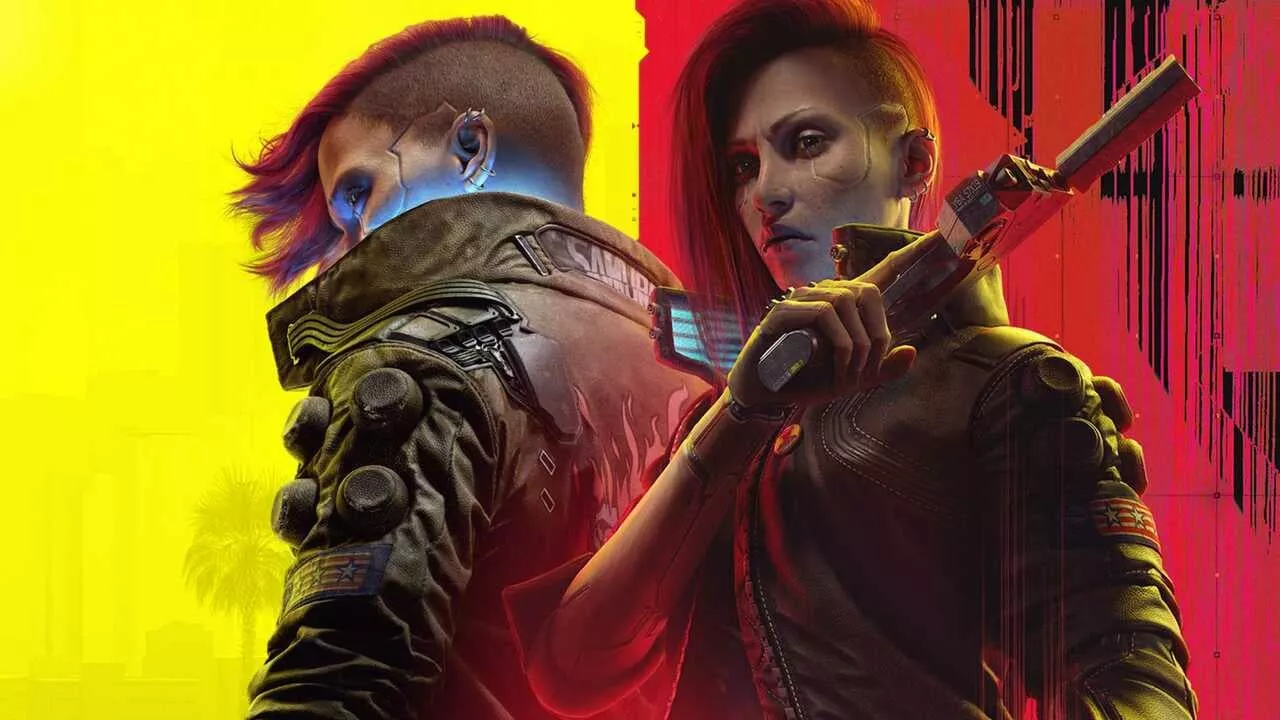
CD Projekt Red's Cyberpunk 2077 was at the center of a specific discussion about microtransactions when it was confirmed that the game would include them as part of its intended multiplayer component. However, as circumstances evolved, plans for Cyberpunk 2077's multiplayer were scrapped, along with the associated microtransactions, shifting the focus back to the game's core single-player experience.
The gaming community at large continues to debate the appropriateness of microtransactions in single-player games. For some, the presence of any additional purchases is unwelcome, while others find the option for cosmetic or even gameplay-related purchases acceptable, provided these do not undermine the fairness or completeness of the base game.
As we move forward, it’ll be interesting to observe if the voices of the players impact the strategies of game studios, particularly in the realm of single-player titles. CD Projekt Red's position could serve as a catalyst for other developers to reevaluate their stance on microtransactions, potentially leading to a broader industry shift.
Looking ahead, CD Projekt Red has shown interest in the realm of multiplayer gaming while continuing its strategy of providing transparent and player-friendly experiences. Their upcoming projects and any new initiatives in the multiplayer space are awaited with much anticipation, as the gaming world watches to see how the company will navigate the complex landscape of game monetization in a manner that remains true to its commendable principles and the expectations of its loyal fan base.

You must be logged in to post a comment!
