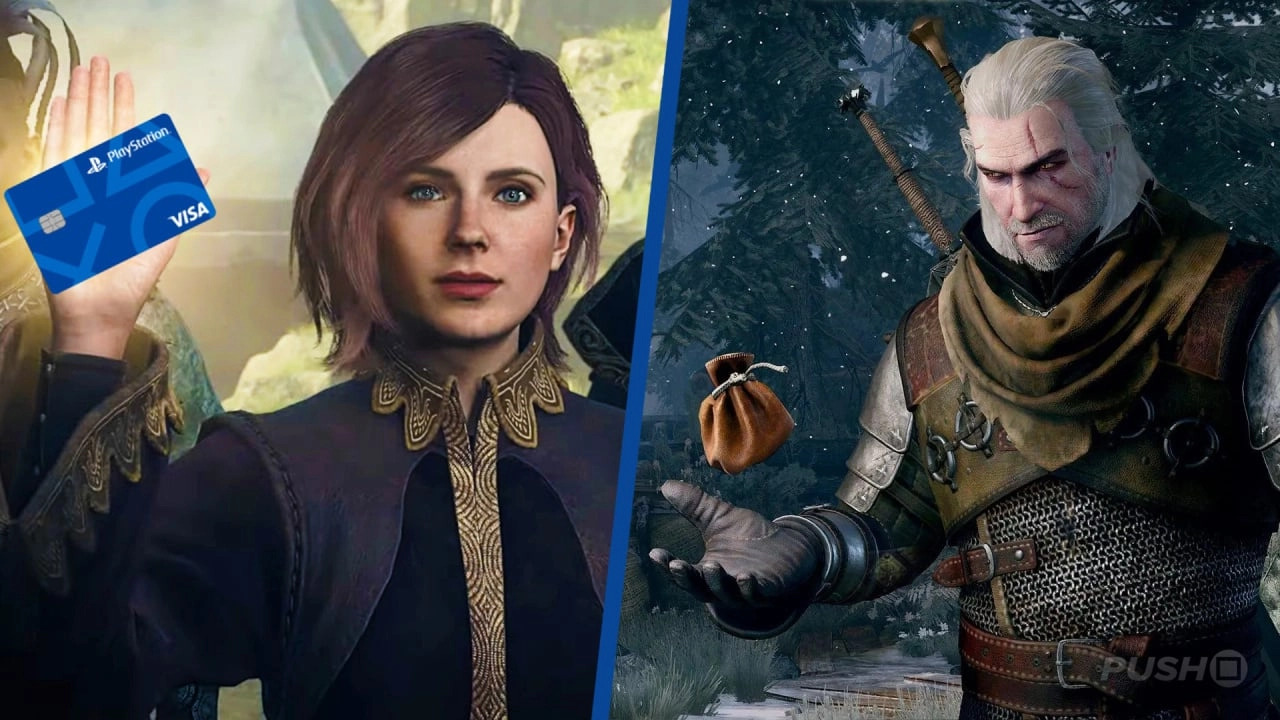
In the evolving landscape of the gaming industry, the ethics and acceptance of microtransactions—small, in-game purchases that can offer the player various advantages or aesthetic enhancements—have become increasingly debated topics. CD Projekt RED, a heavyweight in the video game realm, renowned for their esteemed The Witcher series and the much-discussed Cyberpunk 2077, has recently made their stance clear: they believe single-player games should not feature microtransactions.
This comment came to light when CD Projekt RED's Chief Financial Officer, Piotr Nielubowicz, spoke during an investor's meeting reported on StockWatch.pl. There, he expressed a stark opposition to the inclusion of microtransactions within single-player narratives, clearly stating that the company doesn't feel they belong in that particular gaming experience. Despite this, Nielubowicz did highlight that the company is not completely averse to the idea of microtransactions, explicitly noting that they could be a suitable addition to multiplayer projects in the future.
The company's strong stance on the issue is particularly noteworthy in light of recent controversies encountered by other game developers, such as Capcom. When Capcom launched Dragon's Dogma 2 on PS5, a backlash ensued due to the introduction of microtransactions that facilitated easier access to certain game mechanics, like fast travel—the feature was still accessible without payment, but the microtransactions offered a shortcut. In response to the negative reception, Capcom issued an apology for any inconvenience caused to their players, but this wasn't the first instance of the company implementing such a strategy; they had also added microtransactions to older titles, such as Resident Evil 4, post-launch.
CD Projekt RED has its own complex history with game development and player expectations, especially highlighted by the rocky release of Cyberpunk 2077. Prior to its launch, there had been plans for a separate multiplayer game within the Cyberpunk universe, but the project was shelved following the initial launch's difficulties. However, as CD Projekt RED gears up for the development of a sequel to Cyberpunk 2077, which is confirmed to be in its early stages, the door to multiplayer components—and by extension, the possibility of microtransactions—remains open.
The discourse around this topic is emblematic of a broader discussion within the gaming community. Some players and consumer advocates argue that microtransactions, particularly in single-player games, can be disruptive to the immersive storytelling that such games are often celebrated for. They can also lead to pay-to-win scenarios that might cheapen the challenge and satisfaction derived from gameplay. Others, however, see microtransactions as a natural evolution of the industry, offering players more options to customize their experience and supporting developers with a revenue stream in a market where the cost of game production is soaring.
As this debate continues, CD Projekt RED's approach draws a line in the sand—at least for the time being—suggesting a commitment to the traditional gaming model for single-player experiences. While the sentiment expressed by Nielubowicz indicates a respect for players who wish to enjoy a complete game without additional monetary investment, it also leaves a window open for change, recognizing the dynamic nature of the industry and the potential need to adapt.
For fans of CD Projekt RED and the gaming community at large, this announcement is a reassurance that, in the world of Geralt of Rivia and V of Night City, the core experience won't be segmented behind a paywall of minor in-game purchases. Instead, the focus remains on rich, engaging storytelling and gameplay, free from the incremental costs that microtransactions would entail. How the company will navigate the balance between this philosophy and the evolving demands of a competitive market, particularly with regards to multiplayer endeavors, will be a narrative to follow closely.

You must be logged in to post a comment!
