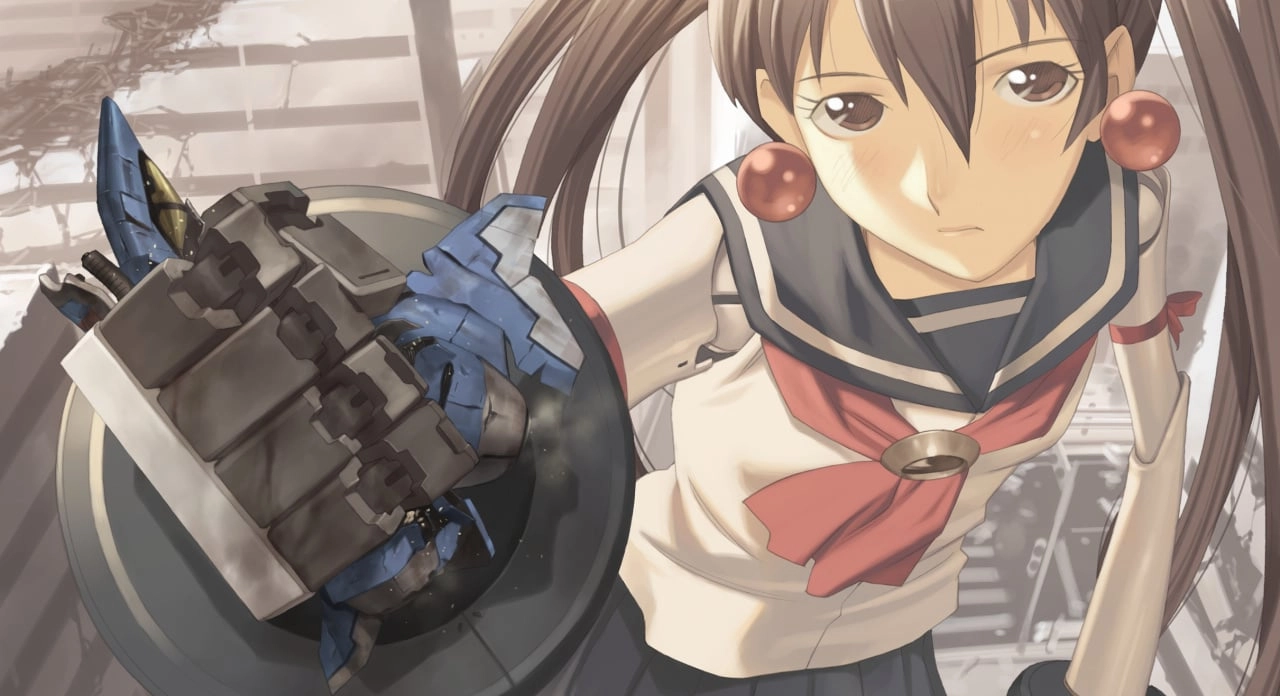
Japanese arcade game developer CAVE emerged in the mid-1990s as a beacon of innovation for the shoot-em-up (shmup) genre. Their story begins when tsuneki Ikeda, a co-programmer for Toaplan, joined the company. Together with his colleagues, Ikeda led CAVE into a new era for the seemingly fading shmup scene. This revolution in gaming was heavily influenced by the 'bullet hell' sub-genre, characterized by large numbers of bullets filling the screen, requiring players to maneuver through complex patterns with intricate precision.
CAVE's influence bloomed as they impressed with games that overflowed with aggression, excitement, and a new sense of style for shmups. Their games offered detailed, deep scoring systems that encouraged creativity and strategy, enthralling high-level players and score-chasers. The company established itself as an underground icon in a gaming world increasingly dominated by 3D titles.
The DonPachi series led this charge, becoming almost synonymous with hardcore gaming coolness. Released first in arcades and later for consoles like the Sega Saturn and PlayStation in Japan, these games provided an adrenaline-fueled experience that captivated arcade-goers. However, despite their success in Japan, the series didn't make an official western debut.
CAVE's games, in general, were known for their intense gameplay, striking audiovisual feedback, and creative mechanics. They weren't just about majestic sprite work and screen-shaking explosions but also about sophisticated scoring systems that elevated the shmup genre to new artistic heights.
The more renowned entries in the DonPachi series include DonPachi (1995) and DoDonPachi (1997), which refined the bullet hell gameplay with more bullets, bigger lasers, and an energetic soundtrack. These games introduced chaining systems and grueling true-last-boss battles that would become a hallmark of CAVE's design philosophy. The balance of the hitbox—a minuscule vulnerable part of the player ship—allowed for thrilling, pixel-perfect evasion through the dense patterns of enemy fire.
The DonPachi series progressed with several iterations, culminating with the release of DoDonPachi SaiDaiOuJou in 2012. This game encapsulated the ultimate experience of CAVE's prowess, celebrating a seventeen-year journey of excellence in arcade gaming. As the industry shifted, CAVE's titles became a rare breed, cherished by a dedicated community that appreciated their intricate scoring layers and stimulation of survival instincts.
CAVE's approach to game design was unique. They managed to align the intense rush of survival gameplay with the deep, analytical side of scoring, attracting a dedicated fan base. The games offered a two-fold engagement: the primal satisfaction of enduring wave after wave of enemy assault while providing an intellectually engaging scoring system that beckoned players to devise novel approaches with each replay.
Even though CAVE ceased creating new titles, the legacy of the DonPachi series endures. DoDonPachi Saidaioujou Exa Label, a remaster of the final entry in the series, marked a resurgence in interest in these iconic arcade blasters. CAVE's work challenged and redefined the shmup genre, proving that the depth and complexity of gameplay could provide endless enjoyment. As such, the DonPachi series remains a testament to a significant chapter in video game history, where a small developer could ignite a revolution and set new standards for an entire genre.

You must be logged in to post a comment!
