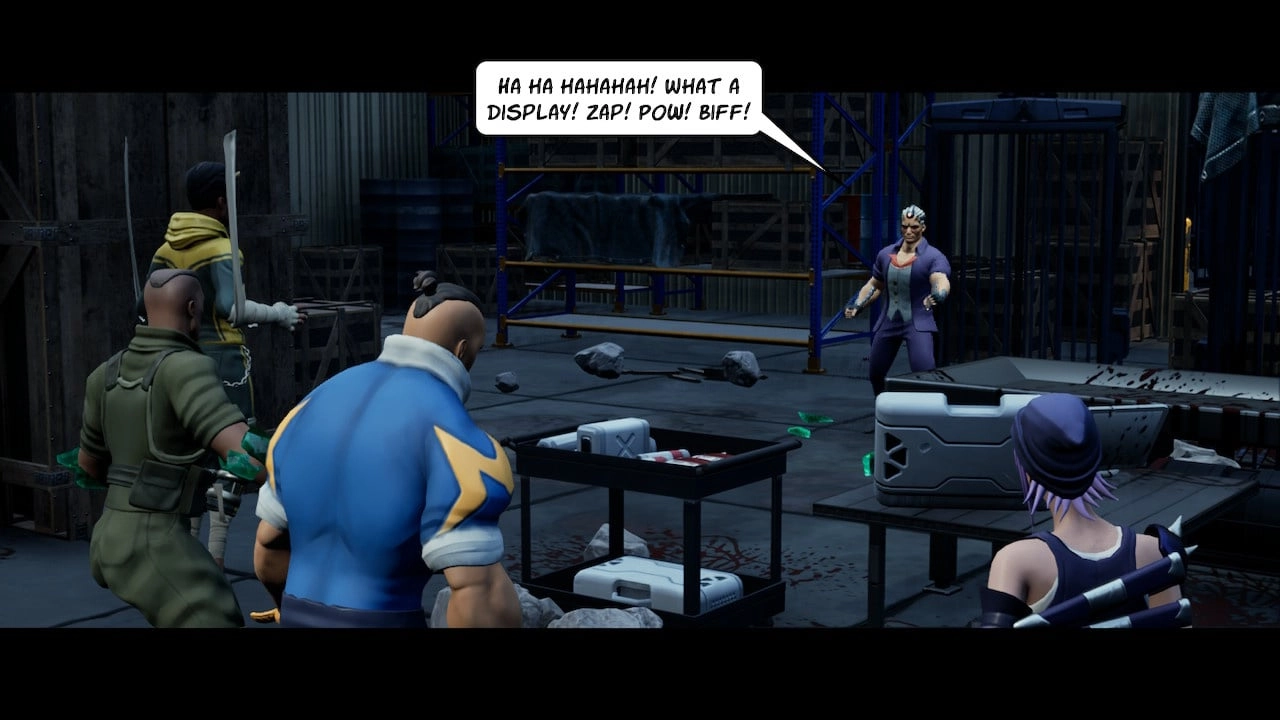
In the gaming world, where superhero themes often mesh with action-packed gameplay, Capes emerges as a notable exception. This turn-based strategy game, available on the Nintendo Switch, brings the dark, comic-inspired world of King City to life, where superheroes are not just illegal but actively hunted by the ominously named "The Company."
Capes, developed by Spitfire Interactive, welcomes players into a grim futuristic setting reminiscent of works like The Boys and Watchmen combined with the strategic gameplay akin to XCOM 2. The game starts players off with a modest team of two emerging superheroes and a veteran strategist tucked away in a bunker. The narrative focuses on assembling a capable team to liberate King City from The Company's iron grip.
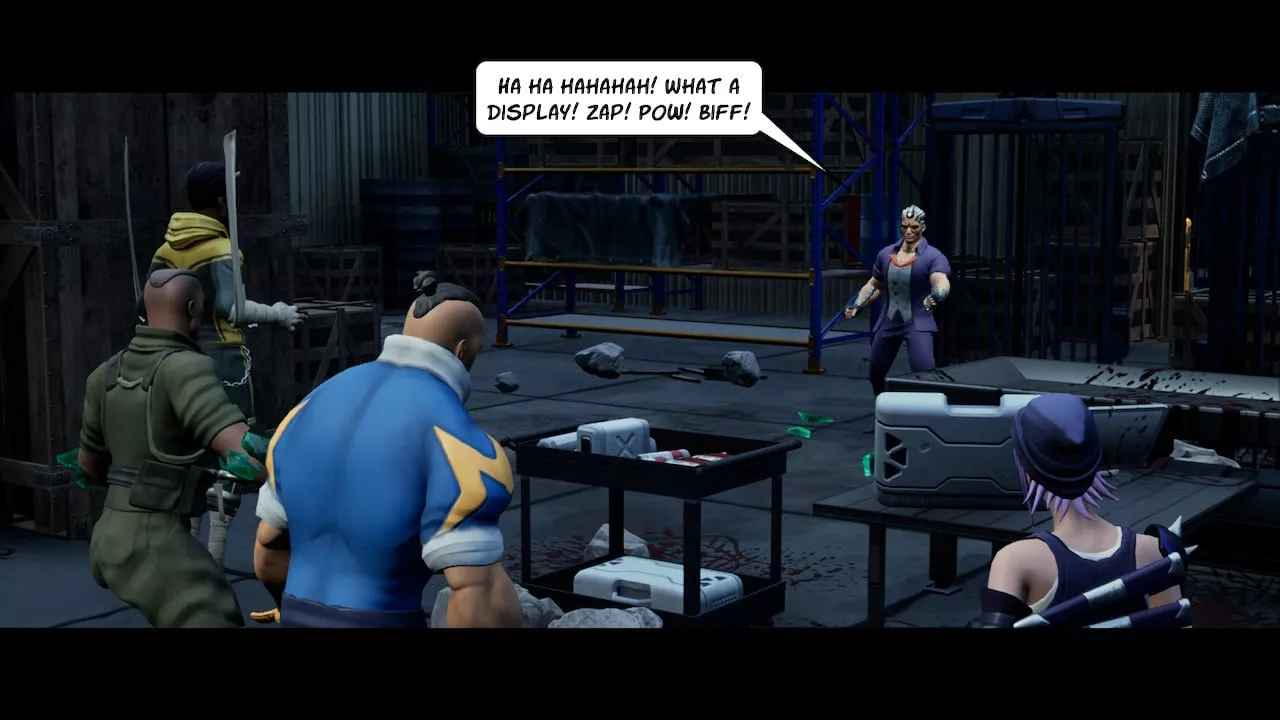
The story of Capes doesn't aim to innovate the superhero genre but rather embraces its clichés in a way that feels respectful and enthusiastic. Although it does not break new ground, the plot serves its purpose by providing a coherent backdrop that enhances the gameplay experience. It feels like traversing through the pages of a comic book, thanks to the clever incorporation of design elements like speech bubbles. However, some sound balancing issues necessitate these text bubbles, detracting slightly from the otherwise immersive atmosphere.
Visually, Capes struggles with dated graphics that could use more polish. The animated cutscenes are particularly underwhelming, with characters displaying minimal facial expressions and stiff movements. These visual shortcomings make the game feel older than it is, which might disappoint those who value aesthetics highly in video games.
Despite these issues, where Capes truly shines is in its gameplay. Each superhero possesses unique powers that avoid repetitiveness and encourage strategic planning. Unlike many strategy games, Capes eliminates the chance factor from attacks; each action has a guaranteed outcome, which shifts the emphasis to tactical skill rather than luck. This design choice reduces frustration and makes the game feel more like solving a puzzle than battling unpredictability.
One standout feature in the game’s strategic design is the "Team Up" attacks, where heroes can combine their abilities to enhance their effectiveness. This not only adds depth to the battles but also emphasizes the thematic element of teamwork, crucial in any superhero story. For example, the character Facet can amplify the damage of nearby allies, which highlights the importance of positioning and planning in combat.
As players progress, they can expand their roster of heroes, each needing to be leveled up and upgraded between missions. This RPG-like progression adds a layer of depth to the game, encouraging players to invest in their team and strategize not just for individual missions but for long-term development.
One critique might be the game’s difficulty spikes, which can occasionally feel daunting. However, these challenging moments often require a shift in strategy rather than sheer power, reinforcing the game's emphasis on tactical prowess over brute strength.
Ultimately, while Capes might not set a new standard visually, its robust gameplay mechanics and faithful comic book sensibility make it a worthwhile addition to the library of any strategy enthusiast or superhero fan. It proves that even in a market saturated with action-oriented superhero games, there is room for something quieter yet equally engaging. As such, Capes is a commendable effort by Spitfire Interactive, capturing the essence of comic book adventures within the framework of strategic gameplay.

You must be logged in to post a comment!
