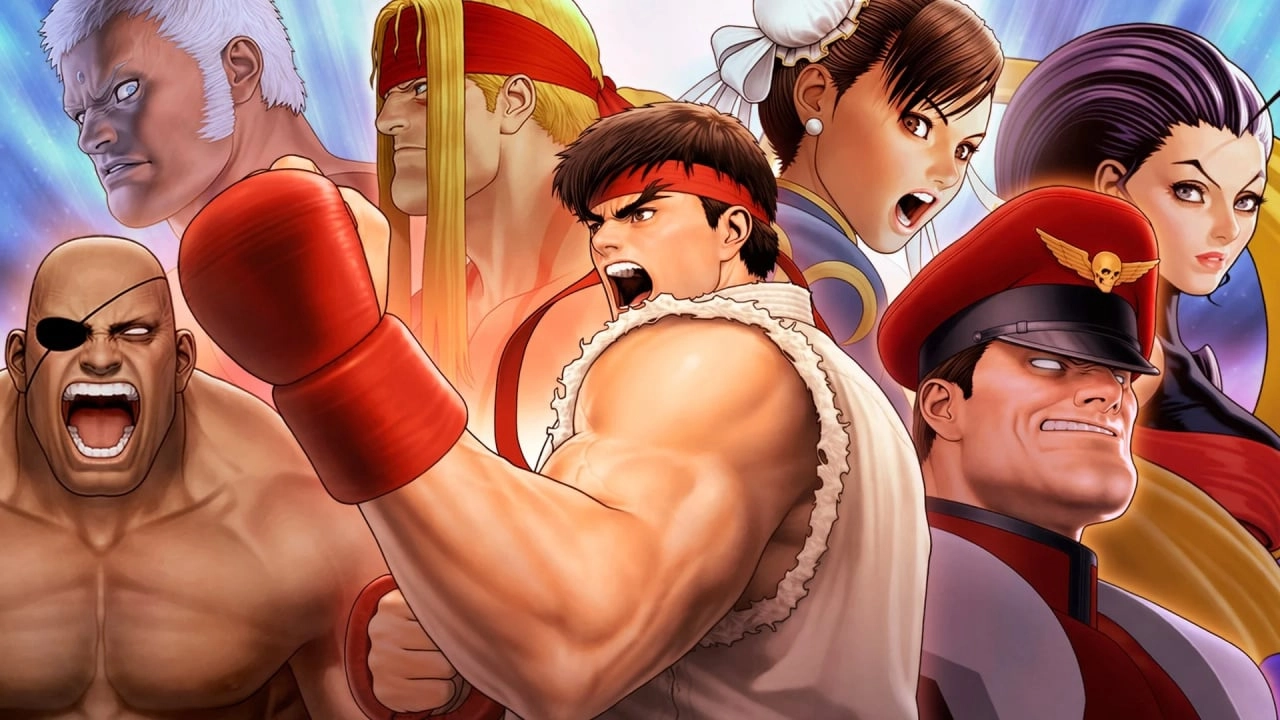
Capcom, a prominent name in the gaming industry, primarily known for its diverse range of fighting games, is embarking on an initiative to bring all its classic fighting titles to modern platforms. This initiative was articulated by Shuhei Matsumoto, the producer behind the Marvel vs. Capcom Fighting Collection, in a statement given at EVO 2024, an annual esports event focused on fighting games.
During the event, Matsumoto addressed the rising demand from fans for the revival of legacy games and expressed that the company strongly feels the same way. He emphasized the importance of making these games more accessible to not only honor the nostalgia of long-time gamers but also to introduce these celebrated classics to a new generation. Matsumoto highlighted that through this endeavor, Capcom hopes to not only preserve these games but potentially use them as a stepping stone for bigger and better projects in the future.
The detailed explanation from Matsumoto also touched on the specifics of what Capcom intends to accomplish. The plan is to systematically re-release various beloved fighting games, ensuring they are adapted and optimized for the latest gaming consoles. This would include games that resonate deeply with dedicated fans, such as Street Fighter III: 3rd Strike, which he specifically mentioned as a title definitely in consideration for re-release.
In his conversation, Matsumoto noted the company's continuous strategy to evaluate and reconsider their game portfolio, ensuring that the classics are not only preserved but are made available and playable on contemporary gaming systems. By doing so, Capcom aims to reach a broad audience that might not have had the opportunity to experience these games in their original formats.
The prospect of bringing these games back is not merely about reliving the past but is a strategic move to rejuvenate them, potentially inspiring new iterations or sequels. Capcom is looking at this revival as an opportunity to expand its community and fan base by tapping into a market of players who seek nostalgia as well as those who appreciate the history of video gaming.
Furthermore, Capcom's development team appears actively engaged in gauging which titles to bring back based on fan feedback and the technical feasibility of updating these titles. The company invites its fan base to voice their opinions on which classic games they would love to see make a comeback, highlighting Capcom's commitment to community engagement.
Not only does this move by Capcom indicate a business strategy aimed at capitalizing on the vintage charm of their older games, but it also reflects an industry trend where preserving classic games is becoming increasingly significant. Companies recognize that older titles not only hold sentimental value but are also an essential part of the cultural fabric of gaming history, warranting preservation and reintroduction to today's technology.
By reviving its legacy fighting games, Capcom is setting a precedent for how gaming companies can respect their history and simultaneously innovate for the future. This strategy ties into a larger narrative of how classic games can continue to influence and shape the future of the gaming industry by bringing timeless gameplay back into the spotlight.
Capcom's commitment to making their games as accessible as possible, ensuring they reach both old fans and potential new fans, is a testament to their adaptability and understanding of the evolving gaming landscape. As they proceed with these re-releases, the anticipation from the gaming community is palpable, with many eager to see how their favorite old-school fighters will be transformed for the new era of gaming. The success of this venture could lead to more extensive projects and possibly new installments in classic game series, marking an exciting phase in Capcom’s illustrious history.

You must be logged in to post a comment!
