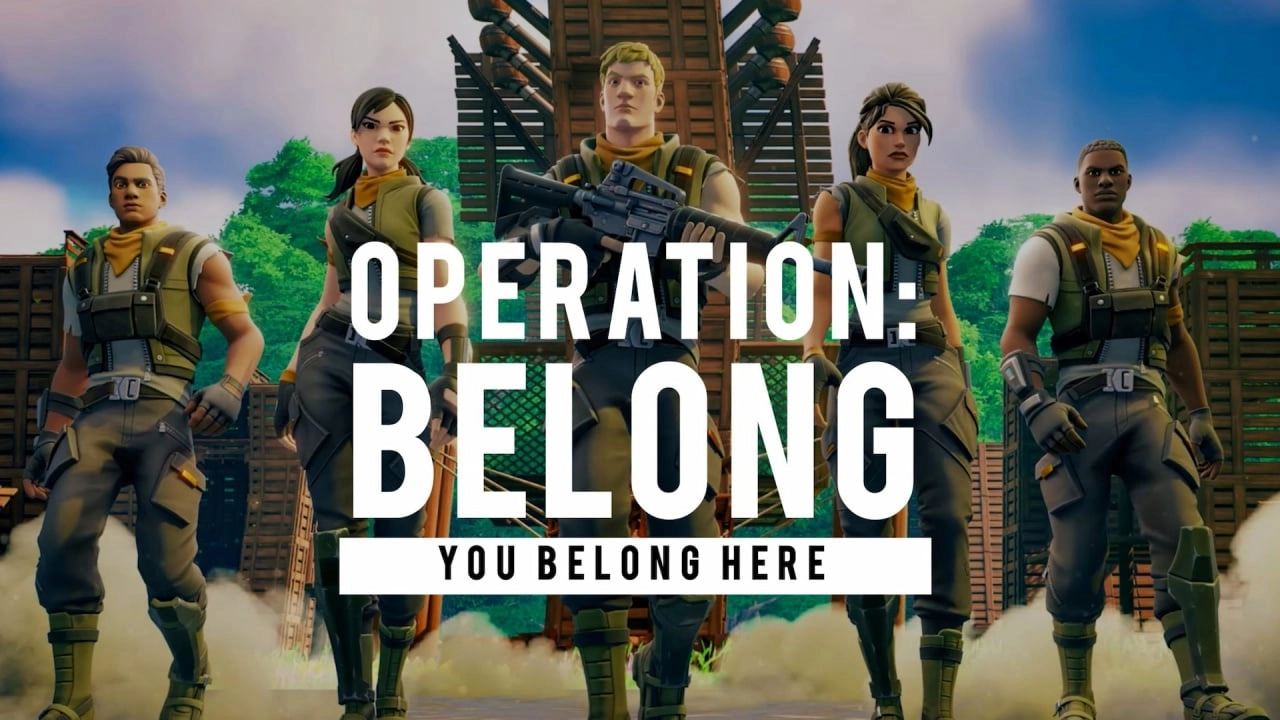
In an intriguing turn of events, the British Army, known for its traditional and disciplined ranks, attempted to step into the digital age by launching a recruitment campaign drawing on the popularity of Fortnite, the online video game sensation. The objective was clear: tap into the vast pool of young, gaming talent by connecting with them through a medium they know and love. But what unfolded was a story of resistance and retreat as the campaign faced a significant public backlash.
The campaign, dubbed "Operation: Belong," saw the military create a custom map within Fortnite that echoed a military boot camp, complete with an obstacle course and various challenges meant to simulate an army training environment. Seeking a broad reach, the British Army rolled out social media advertisements and even roped in popular influencers, such as musician Yung Filly and YouTuber Elz The Witch, to endorse and promote the virtual experience.
However, the blend of military recruitment and gaming quickly soured when critics argued that such tactics unfairly targeted Fortnite's predominantly young player base. This demographic often includes minors who are below the legal age for military service. Consequently, the boundary between entertainment and real-world military engagement became a topic of ethical debate.
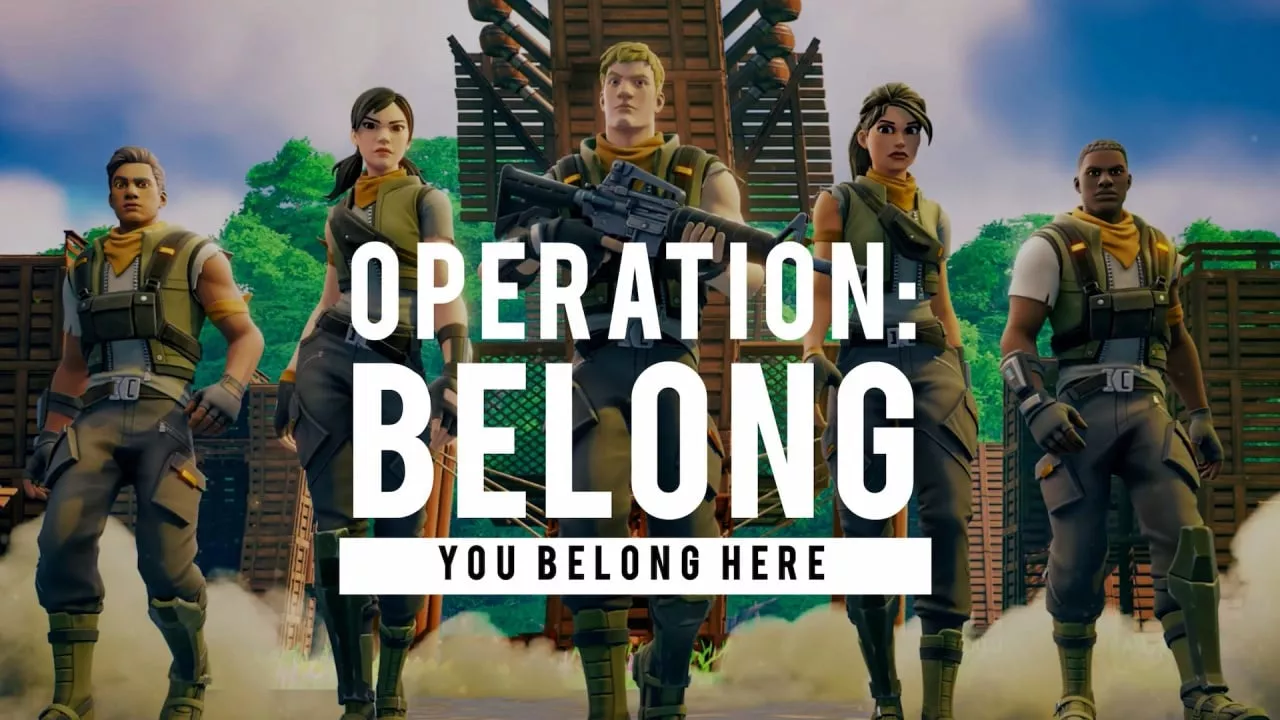
Adding fuel to the fire, Eurogamer reported that as part of the campaign, a trailer was released featuring Fortnite's iconic characters navigating the army-styled map, with activities that mimicked combat training. The initial reception of the trailer was mixed, with some praising the level design's authenticity while others questioned the appropriateness of merging a video game with a real-world military agenda.
The backlash was fierce, amplified by the rapid spread of disapproval on social media platforms. The loudest concerns revolved around the potential influence of such campaigns on impressionable minds, and whether it was responsible to blend gaming with genuine military recruitment in a world where the lines between the virtual and the real are increasingly blurred.
As the controversy grew, it became apparent that the campaign might have crossed boundaries set by Epic Games, the creators of Fortnite. According to their stringent content guidelines, promotions that involve "enrollment in the military" are prohibited. This revelation added to the growing pressure on the British Army to reconsider their bold yet contentious strategy.
In light of the mounting criticism, the planned livestream event which was scheduled to take the campaign further into the public domain became doubtful. Influencers like Yung Filly and Elz The Witch, who initially promoted the event, quickly distanced themselves by removing their social media posts, signaling a retreat from the partnership.
The response from Epic Games maintained a neutral stance but confirmed that the promotion was undergoing moderation. This action was a silent acknowledgment of the community's voice, which seemed to resoundingly call for a clear delineation between gaming for entertainment and gaming that could have real-world implications such as military employment.
The debate that has swirled around the British Army's novel campaign touches on broader issues in our digital society. It poses questions about the responsibilities of organizations when engaging youngsters and gamers, and where to draw the ethical line when it comes to virtual worlds that millions call home. Does a game like Fortnite, which thrives on engagement and community, translate into a proper venue for military recruitment? Are the skills and interests nurtured in the game applicable or even relevant to military life?
As the dust settles, the British Army is left to ponder its next move. Whether "Operation: Belong" will re-emerge in a revised form or disappear entirely into the annals of recruitment campaign history remains to be seen. What's clear, however, is that the incident has provided a catalyst for conversation about gaming culture, the innocence of virtual worlds, and where responsibility lies in the digital realm.

You must be logged in to post a comment!
