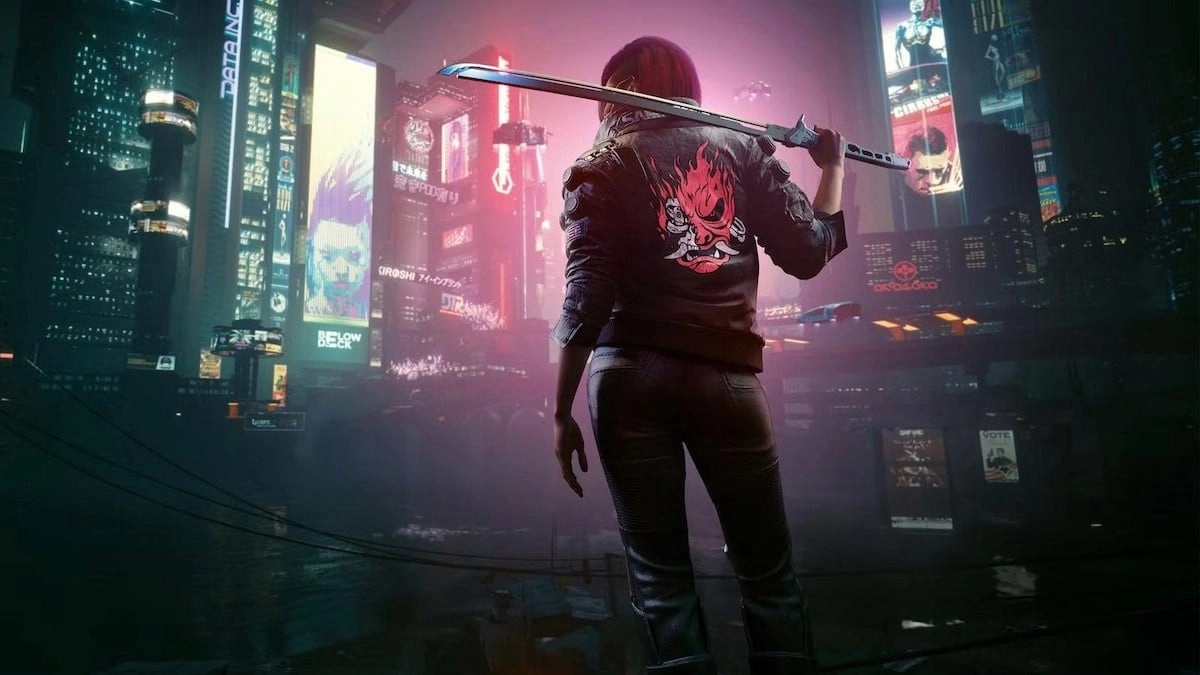
In the world of video gaming, the anticipation surrounding sequels to blockbuster titles is always high, especially when it involves a game as notable as Cyberpunk 2077. Recently, CD Projekt Red, the Polish developer behind the acclaimed Cyberpunk 2077, announced that its newly established Boston-based development studio will take the reins for the game's sequel, currently codenamed Orion. This move is not just a shift in development location but also a strategic decision to imbue the game with a more authentically American flavor, which could resonate better with its largely American audience.
Cyberpunk 2077, despite its commercial success and cult following, faced criticism for certain design choices that seemed out of place in its portrayal of a dystopian American future. Some of these criticisms were minute yet impactful, such as the use of European-style manhole covers instead of ones you would typically find in the U.S. While these details might seem trivial to some, they significantly affected the immersive experience for players familiar with American urban landscapes.
Taking this feedback seriously, CD Projekt Red aims to enhance the authenticity of the game's setting by paying close attention to these small but significant cultural and environmental elements. Dan Hernberg, the executive producer working on the sequel, emphasized the importance of embedding genuine American nuances into the game. From accurately placed fire hydrants to the iconic style of street lights and the placement of trash bins, these elements are crucial in creating a believable and relatable environment for the player. The commitment to getting these details right indicates the studio's dedication to delivering a more immersive and culturally resonant experience.
Hernberg also noted that being based in America provides the development team direct access to the cultural touchpoints that define American cities and their unique characteristics. This proximity is expected to influence the design and storytelling of the sequel, allowing the developers to interact with and incorporate real-world American features more naturally and accurately.
The decision to establish a development studio in Boston is a strategic move by CD Projekt Red to leverage local talent and insights. Boston, often celebrated for its rich history and its blend of traditional American and modern influences, provides an ideal backdrop for the developers to draw inspiration from. The team's immersion in the local culture and daily exposure to American life and practices should translate into a game that feels more authentic and meticulously crafted.
Additionally, this American studio will likely facilitate closer collaborations within the U.S. game development community, potentially leading to partnerships that could enhance the technical and creative aspects of the game. With Hollywood not far away, the opportunities for cross-industry collaboration are vast, particularly in areas like narrative development, visual effects, and sound design.
The commitment to authenticity in Cyberpunk 2077’s sequel could set a new standard for cultural accuracy in gaming, where the devil really is in the details. From correct manhole covers to the subtle placement of everyday items, these elements together build a world that feels familiar to the player, enhancing the overall gaming experience. Such meticulous attention to detail not only aids in storytelling but also shows respect and consideration for the audience’s cultural background and everyday reality.
Moreover, the team’s effort to root the game’s aesthetic and cultural elements in true American culture could well be a response to the evolving expectations of gamers, who are increasingly seeking deeper, more authentic experiences that reflect their own lives and environments. As CD Projekt Red adapulates its approach to meet these expectations, other game developers might follow suit, potentially leading to a new era where cultural authenticity plays a pivotal role in game design.
As the development of the Cyberpunk 2077 sequel progresses under its Boston-based team, it will be interesting to see how this focus on authenticity and cultural nuances will influence the final product. If successful, Orion could not only surpass its predecessor in terms of sales but also set a higher benchmark for cultural resonance in video games, enriching players’ experiences by reflecting their own realities more closely and accurately. This endeavor represents not just a technical challenge but a cultural one as well, setting the stage for what could be a transformative chapter in the realm of immersive storytelling.

You must be logged in to post a comment!
