
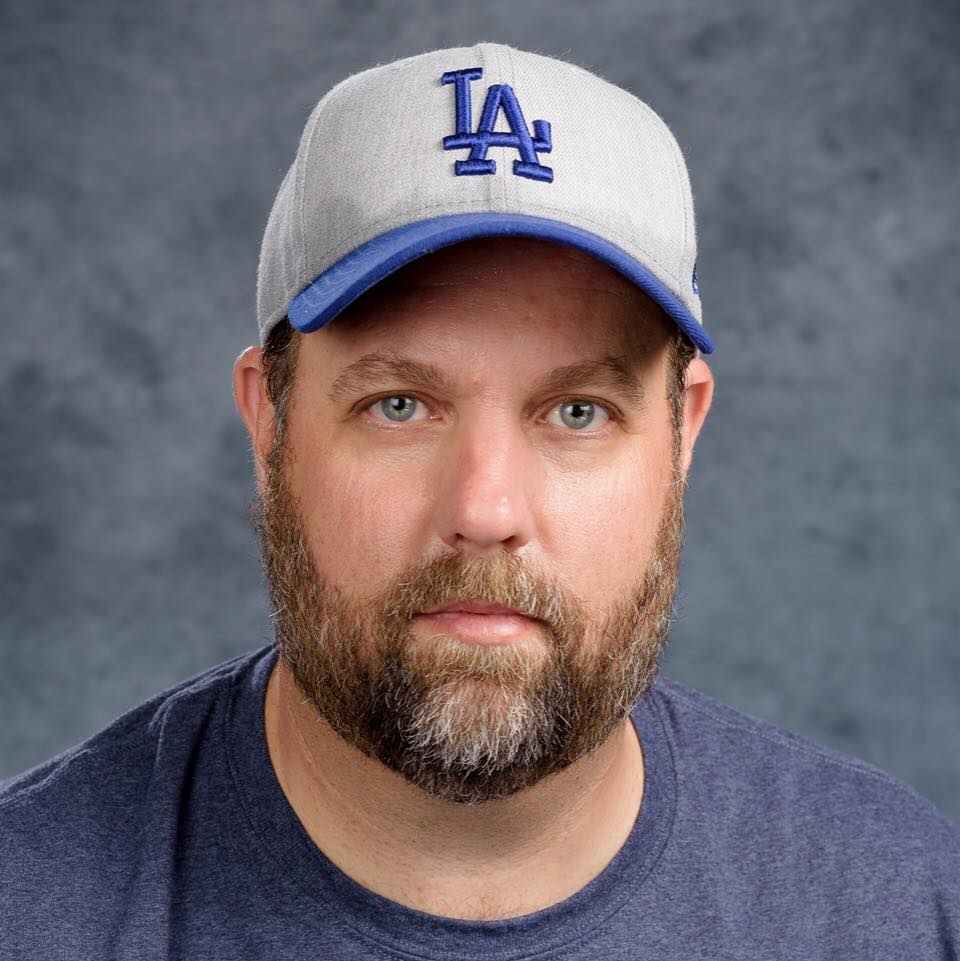

Bobby Kotick has returned to the orbit of the games business through a new role on the board of Skydance Corp., the entertainment company formed following the major combination involving Paramount and Warner Bros. The appointment does not place the former Activision Blizzard CEO in day-to-day command of either company's gaming teams, but it connects one of the industry's most recognizable and divisive executives to a newly consolidated media operation with significant game-development ambitions.
Skydance now has oversight of companies and brands spanning film, television, consumer products, attractions, and games. That makes Kotick's arrival noteworthy even without a formal operating role in the games division. He spent roughly three decades leading Activision, later Activision Blizzard, during a period in which franchises including Call of Duty, World of Warcraft, Guitar Hero, and Overwatch became major pillars of the global games market.
The company's gaming footprint is also being reshaped immediately. Paramount Games Studio is set to merge with Warner Bros. Games, creating a combined unit that will report to Tony Driscoll. Driscoll previously worked as a Disney Imagineer and later held a strategy role at AT&T following its 2016 acquisition of Time Warner. The combination places established game studios, licensed properties, and upcoming projects under a single leadership structure within the new Skydance organization.
A Board Role, Not a Studio Leadership Job
There has been no announcement that Kotick will run Warner Bros. Games, Paramount Games Studio, or any individual development team. His position is on Skydance Corp.'s board, a role that can vary considerably depending on the company and its leadership. Board members may primarily supervise corporate governance and major strategy, or they can become influential advisers on acquisitions, financing, partnerships, long-term planning, and executive decision-making.
For useful background on this topic, read Order of the Sinking Star Impresses as a Puzzle Collection, but Its Larger Mystery Remains Unclear.
For Skydance, Kotick's experience is directly relevant to the challenge of operating large entertainment franchises across several businesses. Video games are only one piece of the company's expanded portfolio, but they are an increasingly important one. The new group controls or is connected to properties with reach across cinema, television, publishing, merchandise, location-based entertainment, and interactive products. Turning those properties into sustainable game businesses will require decisions about development budgets, release strategy, licensing, live-service support, and the relationship between game teams and the rest of the company.
David Ellison said in the announcement that Kotick brings experience in building durable franchises and engaging audiences over an extended period. Ellison also highlighted Kotick's record in strategic decision-making and capital allocation as Skydance integrates its businesses.
That framing is consistent with what board appointments often signal to investors: an effort to surround a major corporate integration with people who have managed large organizations, global brands, and high-stakes transactions. Skydance's newly enlarged structure is expected to be complex, and its leadership will have to decide how closely its individual divisions work together without undermining the creative identities and production pipelines already in place.
Kotick's Long Activision Blizzard Tenure
Kotick departed Activision Blizzard at the end of 2023, after Microsoft completed its approximately $70 billion acquisition of the publisher. His tenure covered 32 years and included dramatic changes in the scale of the video game business, from the era of packaged PC and console releases through the expansion of digital storefronts, subscriptions, esports, mobile games, and ongoing live-service models.
During that span, Activision transformed Call of Duty into one of gaming's most valuable annual franchises and maintained Blizzard Entertainment's place as a developer behind enduring online worlds and competitive games. The company also experienced substantial upheaval, including public criticism, workplace controversies, labor organizing, and intense scrutiny during the years leading up to the Microsoft deal.
In his farewell message when he left Activision Blizzard, Kotick described his work as bringing talented people together, supplying them with resources, and encouraging creativity and a commitment to excellence. He also expressed pride in employees and contributors throughout his time leading the company.
Since leaving, Kotick has remained visible in business circles. He was reported to have explored an attempt to acquire TikTok, though that effort did not result in a purchase by him. He has also appeared on investor-focused programs and participated in discussions about subjects including unions and media. His appointment at Skydance places him in a formal corporate role again after a comparatively brief period away from managing a major entertainment company.
Paramount Games and Warner Bros. Games Move Toward One Structure
The more immediate practical development for players and developers is the merger between Paramount Games Studio and Warner Bros. Games. While the full structure, staffing plan, and operational roadmap have not been detailed, the combined organization will report to Driscoll.
Warner Bros. Games brings a substantial catalog of licensed and internally developed game properties. Its studios have worked on projects based on DC characters, the Wizarding World, LEGO, and other Warner Bros. brands. Paramount's side adds a separate library that includes recognizable entertainment names such as SpongeBob SquarePants, along with a broader set of film and television properties that could support future interactive adaptations.
Driscoll addressed staff in a memo that emphasized the shared purpose of building worlds and experiences for audiences. He described the larger company's work across theme parks, resorts, restaurants, retail, studio tours, and games, contrasting physical entertainment spaces with game experiences built around action, adventure, combat, competition, and creativity.
He also stressed that employees across the combined team are creators, builders, operators, and stewards of those worlds. Driscoll said he plans to meet staff in the coming weeks, both remotely and in person, across locations including Los Angeles, London, Montreal, and Tokyo.
That language suggests an integration strategy focused on franchises and audience communities rather than treating games as a purely auxiliary licensing business. It also reflects the realities of modern blockbuster development. A major game based on a film, television, comic, or character brand can have a lifespan measured in years, with production involving teams in multiple countries and ongoing support after launch.
Major Projects Remain in Development
Two of the biggest projects still associated with the combined gaming operation are Hogwarts Legacy 2 and a new Batman game described as being in the style of the Batman: Arkham series from Rocksteady Studios. Neither project has received newly detailed launch information as part of the broader Skydance announcement, and the corporate restructuring leaves open questions about how the merged division will prioritize its development slate.
Hogwarts Legacy demonstrated the commercial potential of a large-scale Wizarding World game, while Rocksteady's history with Batman gives any new Arkham-style project considerable attention from superhero-game fans. Both projects sit at the intersection of expensive development, globally recognized intellectual property, and fan expectations shaped by prior releases.
The central question will be whether the new corporate arrangement provides those teams with greater resources and coordination, or whether the demands of merger integration complicate decision-making. Large media combinations can create opportunities to share marketing, technology, licensing expertise, and audience research. They can also introduce new approval layers and competing priorities, particularly when a company is balancing film, television, streaming, consumer products, and games.
What Kotick's Appointment Could Mean
It is too early to determine how active Kotick will be in Skydance's game strategy. A board seat alone does not establish control over studio operations, creative direction, hiring, release schedules, or individual projects. Those responsibilities currently appear to sit more directly with the executives running the merged games organization, including Driscoll.
Still, Kotick's background makes games difficult to separate from the significance of the appointment. He has experience with franchise management on a scale few executives can match, as well as with the financial and organizational pressures surrounding massive entertainment brands. For Skydance, his perspective may be useful as it decides which properties deserve long-term interactive investment and how to support them across multiple platforms.
For developers and players, the more meaningful evidence will come later: how the combined division is staffed, which projects continue unchanged, whether studios retain their creative autonomy, and how Skydance approaches the balance between established blockbuster series and new ideas. The corporate structure is changing now, but the visible results will emerge through the games that eventually reach PC, consoles, mobile devices, and other platforms.
At present, Kotick's return is best understood as a high-profile board appointment within a media company that is making games a more central part of its future. Skydance has assembled a vast collection of entertainment assets. Its next challenge is proving that a larger structure can produce stronger, more coherent interactive experiences rather than simply gathering more recognizable names under one corporate roof.
Community
Discussion
Start the conversation.
No comments have been posted yet.