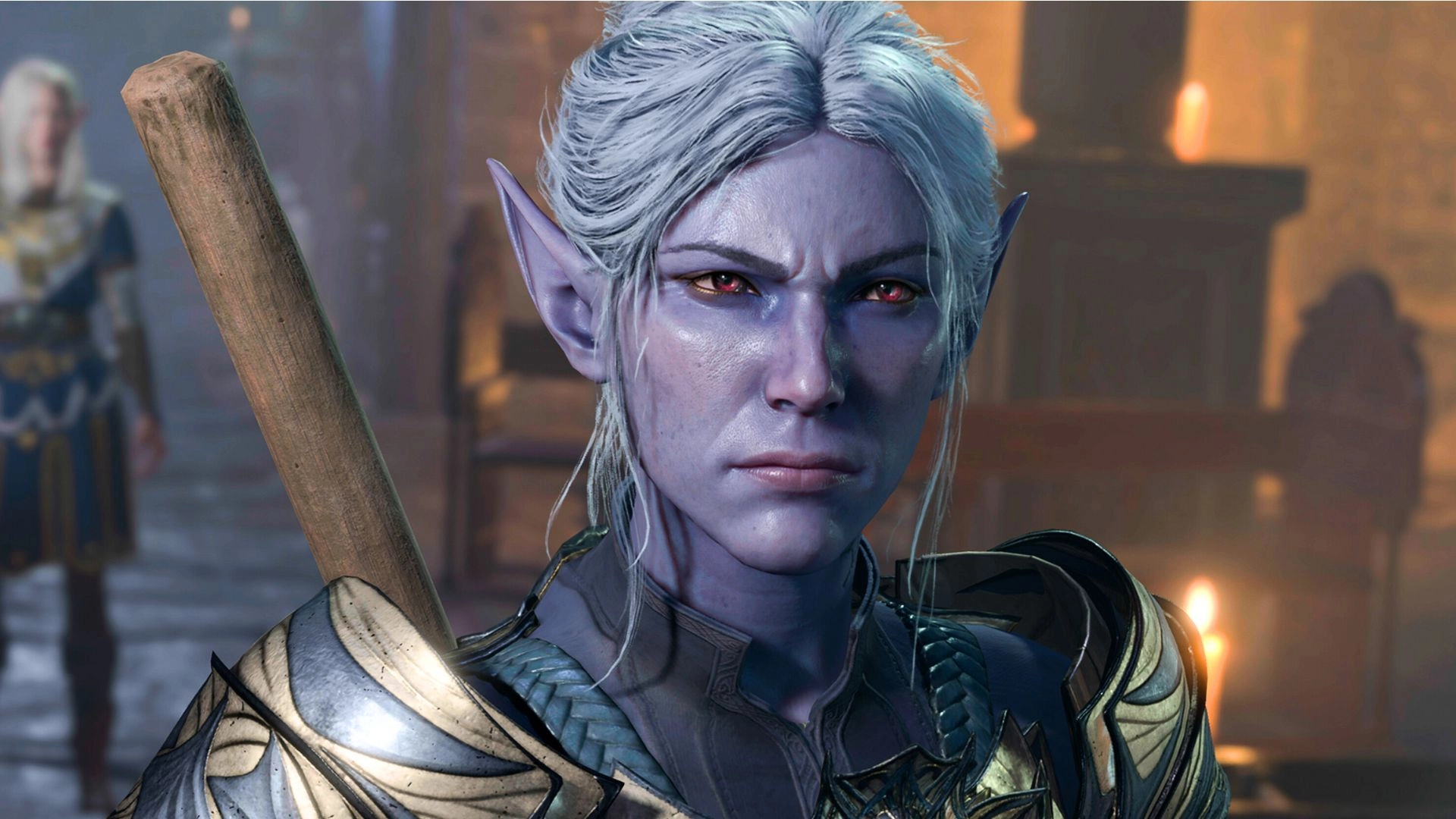
The gaming community often eagerly anticipates when new titles will hit subscription services such as Microsoft's Game Pass, allowing for easier access to a broader range of games. However, those waiting for the critically acclaimed role-playing game Baldur’s Gate 3 to grace the Game Pass library might need to adjust their expectations. Sources close to the development have signaled that the particular path for Baldur's Gate 3 joining Game Pass is quite improbable.
Larian Studios, the game's developer, has consistently maintained a stance against the game's inclusion in the Game Pass lineup. In a candid conversation, Larian's CEO Swen Vincke clarified the reason for this decision. According to Vincke, the enormous scale and depth of Baldur’s Gate 3, a game that promises players dozens of hours of engrossing narrative and engaging side quests, justify a corresponding price to cover the development and production costs. Moreover, Larian puts forward a straightforward approach where the initial price encompasses the complete gaming experience, free from any subsequent microtransactions, downloadable content (DLC), or expansions for the foreseeable future.
Indeed, the developers have designed what they consider a comprehensive game, one where players can experience the full breadth of the story and its complexities without additional financial commitments. It's the classic notion of getting what you pay for—paying once for a product that doesn't demand incremental expenditures. This philosophy not only ensures players can enjoy a full experience right from the start but also allows the studio to secure the resources needed to venture into future projects.
Interestingly, during the disruptions caused by the Microsoft-Activision Blizzard merger, documents leaked that included Microsoft's estimations of the cost to secure various games for Game Pass. Among these figures, Baldur’s Gate 3 was cited with a figure of $5 million. Given the game’s tremendous success and numerous awards, this figure now seems like a fraction of what it could have netted, especially when compared with the speculated amounts for other titles like Gotham Knights and major franchises like Mortal Kombat and Star Wars.
Microsoft's seemingly unenthusiastic classification of Baldur’s Gate 3 as a "second-run Stadia PC RPG" did not predict the title's success. Assumptions were clouded, likely due to the niche standing of the CRPG genre. But against odds and expectations, Baldur’s Gate 3 has risen to prominence, a development that has both surprised and delighted Larian Studios. The breadth of its achievement, unexpected as it was, has had a profound impact on the studio, instilling within them a mix of pride and apprehension about living up to this new high standard.
For gamers, this underscores a growing trend where certain highly anticipated or deeply involved games may not always funnel into subscription services. Each developer and publisher will weigh the benefits and drawbacks of these platforms, and in the case of Baldur's Gate 3, the decision is a bet on the game's quality and in-depth experience being worth a direct purchase.
Ultimately, this decision highlights an ongoing conversation in the gaming industry about the value of games, the pricing models appropriate for different types of titles, and how subscription services fit into the larger ecosystem. While the idea of all games becoming accessible via a flat monthly fee is attractive, there are nuances in how these platforms serve the interests of both developers and the gaming community. For fans of Baldur’s Gate 3, the message is clear: if they wish to delve into the rich world Larian Studios has crafted, the path forwards is through a traditional purchase. It seems, at least for the time being, that this high-fantasy epic will retain its status as a gem to be owned outright, rather than borrowed.

You must be logged in to post a comment!
