A year after its release, Baldur’s Gate 3, developed by Larian Studios, remains a colossal figure in the CRPG genre, celebrated not just for its expansive narrative and dynamic gameplay, but for an unprecedented level of detail that still catches players by surprise. The game, designed to adapt to an array of player actions, offers a diverse range of reactions and scenarios that keep even the most meticulous gamers on their toes.
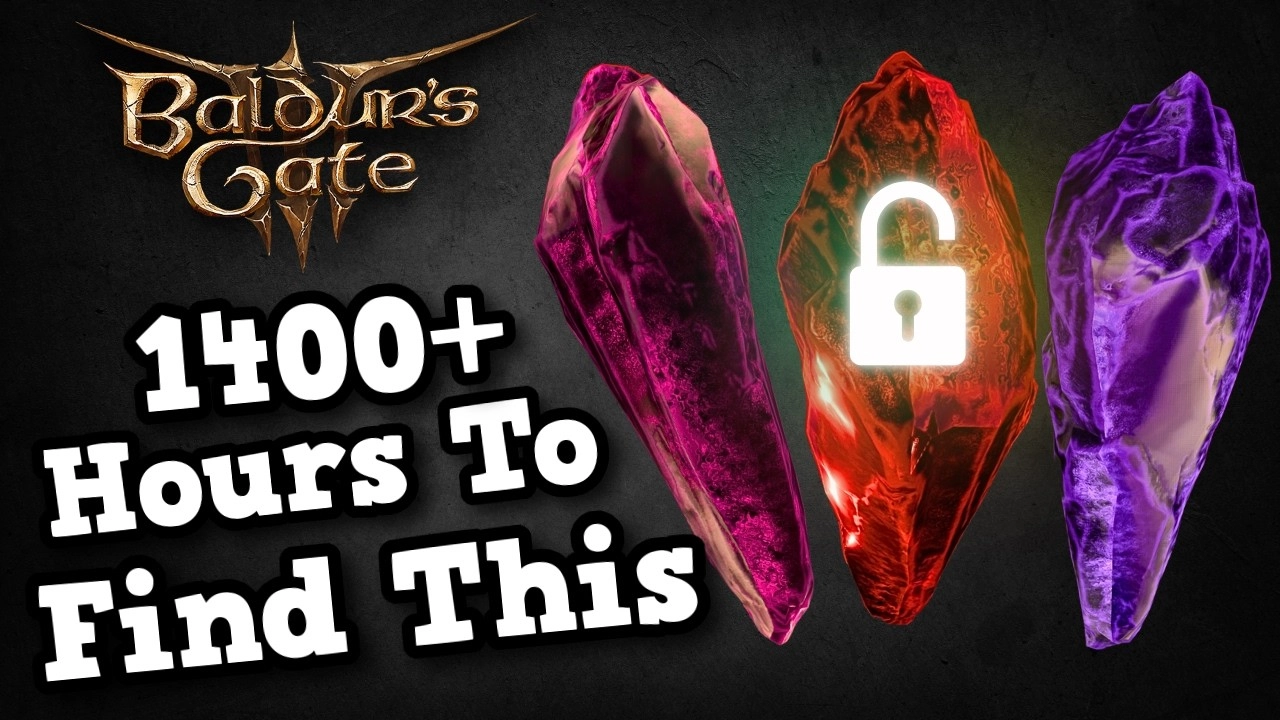
One particular aspect that highlights the game’s depth involves the experimentation by players with key items — specifically, the three Netherstones in Act 3. These stones are crucial to the game’s progression, woven deeply into the storyline. A content creator known as Proxy Gate Tactician demonstrated the game's adaptability when they attempted to discard these vital items in highly unconventional ways, leading to some unexpected game responses.
The Proxy Gate Tactician chose the underwater Iron Throne dungeon, a location normally visited just once, to get rid of the Netherstones. The game has a default scenario where ambushers, known as Sahuagin, retrieve the stones and bring them to the shore. However, if the Sahuagin are already defeated by the player, the game shifts to an alternative conveyor of the stones: Old Troutman, a fishmonger. If Old Troutman has also been eliminated by the player, the Netherstones mysteriously end up inside a fish that washes ashore, still keeping the storyline on track.
Another scenario tested was disposing of the Netherstones in the Steel Watch Foundry before it was destroyed. In this event, instead of leading to a typical game-over due to the loss of critical items, a group of kobolds appear, having scavenged the stones from the debris. The player then faces a race against time, given five turns to reclaim the Netherstones or face a unique 'Lost the Netherstones' game over. These inventive scenarios are a testament to Larian Studios' attention to player freedoms and consequences.
