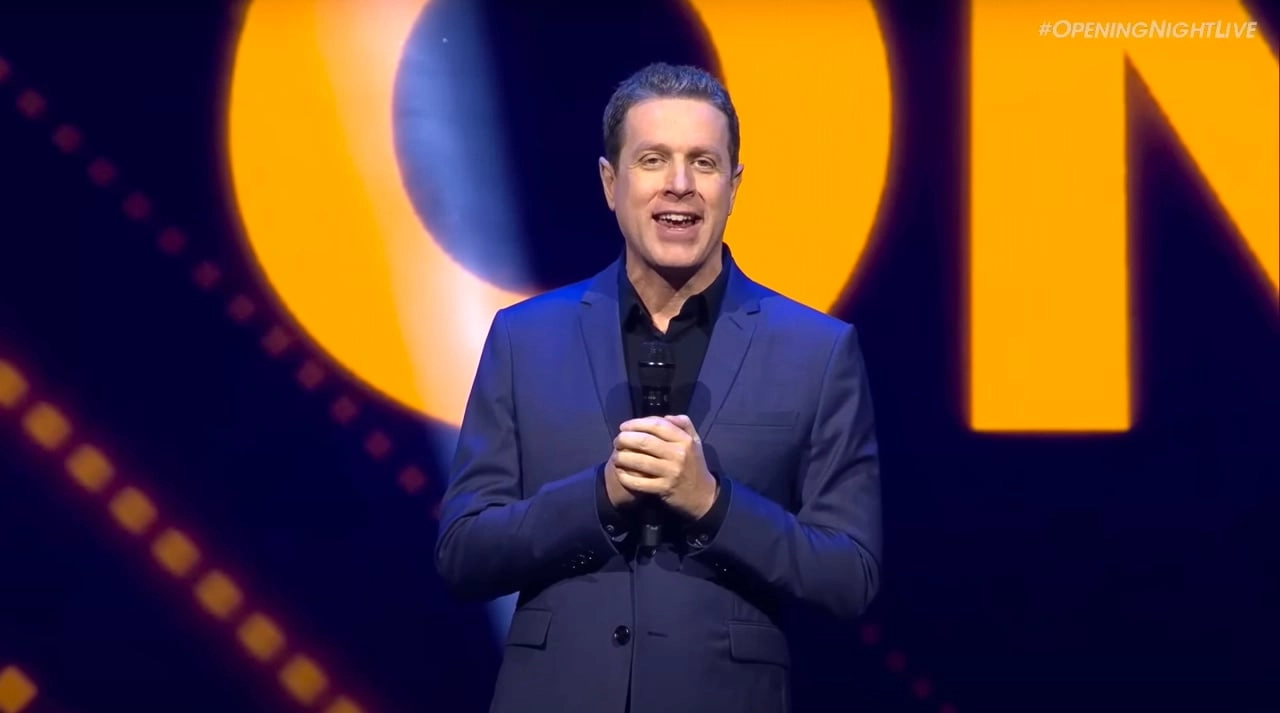
Gamescom, a pivotal event in the video game industry, recently concluded another session of its much-anticipated Opening Night Live. As expected, the event, orchestrated by Geoff Keighley, spanned over two hours and was filled with updates on existing games as well as some unexpected reveals. Gamescom has always had the reputation of bringing excitement and novelties to the gaming world, but the response from the audience this year presents a complex picture.
The annual Opening Night Live is an event that traditionally sets the tone for what is to come in the gaming industry over the ensuing year. It's a showcase where developers and publishers unveil their latest projects and updates, aiming not only to excite the current gamer base but also to attract new audiences. From surprising game announcements to in-depth looks at highly-anticipated titles, the event endeavors to cover a wide spectrum of interests.
This year, expectations were high as attendees looked forward to updates on existing popular titles and awaited the shock of brand-new announcements. Although the event delivered on these fronts, the community reaction has notably lacked the consistent enthusiasm seen in past years. A recent poll within the Push Square community — traditionally a vocal group when it comes to gaming events — highlights this trend of tempered excitement.
According to the poll results:
- Only 4% of participants rated the event as Excellent.
- A minuscule 0% thought it was Very Good.
- 12% felt the showcase was Good.
- 19% gave an Okay rating.
- A significant 31% found the event Poor.
- 13% rated it as Very Poor.
- Interestingly, 21% went as far as to describe it as Terrible.
The results clearly indicate a sharp decline in satisfaction compared to previous years. Various factors could contribute to such a starkly polarized viewpoint. While some viewers may feel indifferent due to a perceived lack of groundbreaking content or innovative presentations, others might set higher expectations based on past experiences or industry standards.
In the gaming community, expectations are perennially high, and fan reactions can vary dramatically based on numerous elements, including the pace of the event, the mix of featured games, technical issues, or simply the communication style of the presenters. These preferences are as varied as the games themselves.
For the organizers, feedback from polls and comments is invaluable, serving as a direct line to the audience’s thoughts and an indicator of what worked or didn't. The substantial percentages leaning towards negative ratings might nudge the event organizers to recalibrate their approach, possibly by introducing more dynamic segments, including more engaging presentations, or spotlighting unexpected but highly anticipated titles.
While the overall reception might hint at disappointment, there are still several bright spots and lessons. For games already known to the community, further updates usually serve to maintain the hype, providing the developers additional time to polish their final product. For the newly announced games, even if the initial reception is lukewarm, there's room to grow interest with subsequent updates and improvements based on community feedback.
As the gaming landscape continues to evolve, so do the expectations of its audience. Events like Gamescom Opening Night Live are crucial in bridging the gap between game developers and players, serving as a litmus test for the reception of upcoming titles while fueling the communal excitement that is vital to the industry's dynamism. The diverse reactions also reflect the changing dynamics and increasing demands of the gaming community, spotlighting opportunities for innovation in how these events are curated.
Moving forward, it will be interesting to see how the feedback from this year's event influences the planning and execution of future showcases. The challenges are clear, but so are the opportunities for revival and enhancement. As the digital world continues to expand, so too does the potential for these events to surprise and captivate global audiences.

You must be logged in to post a comment!
