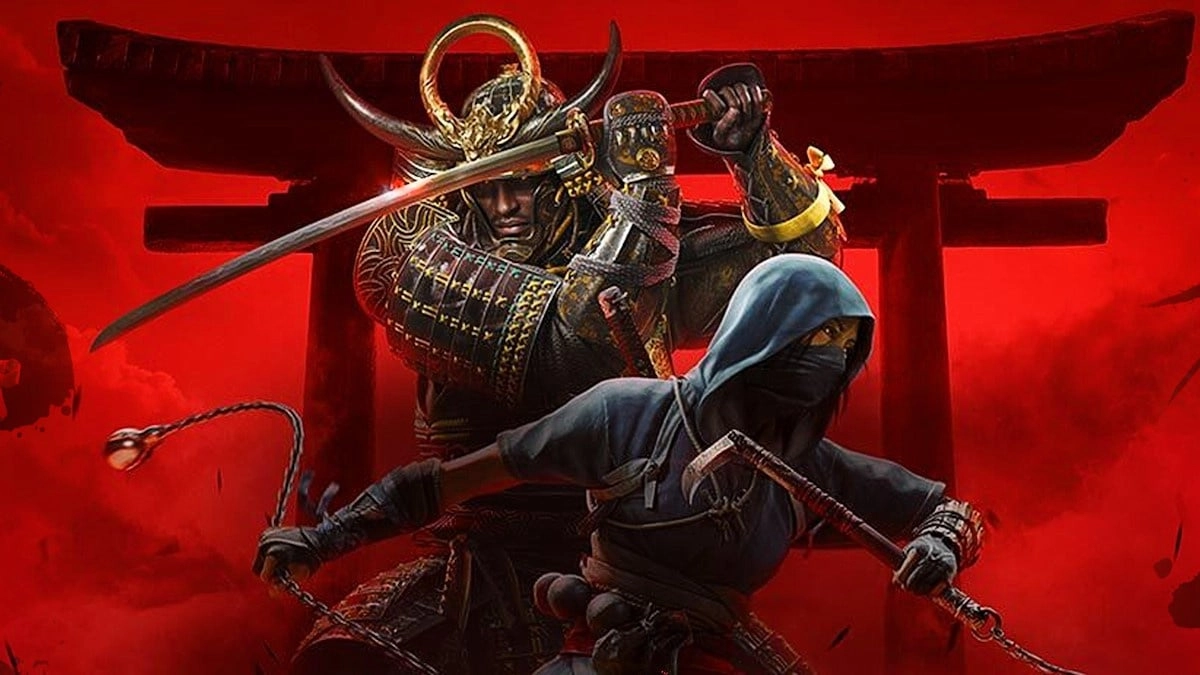
In a surprising twist for gamers who prefer to own physical copies of games, Ubisoft's forthcoming release, Assassin’s Creed Shadows, will necessitate an online connection to install the game fully. This move continues a trend started with Ubisoft's 2023 title, Avatar: Frontiers of Pandora, and will also apply to another anticipated game, Star Wars Outlaws.
The requirement became apparent when pre-orders went live and the message “Internet required to install the game” was prominently displayed on the box art in major retailers like Best Buy and GameStop. This strategy isn’t entirely new; Ubisoft required a day-one patch for Avatar before players could even start the game. However, the pre-warning on the packaging for Shadows and Outlaws marks a more upfront approach about the online necessity.
This development raises concerns surrounding game preservation. The reliance on online connectivity poses questions about the future accessibility of games whose servers may eventually be deactivated. Gamers have already seen this play out with the delisting of Ubisoft’s The Crew in December, which permanently disrupted access due to server shutdown.
Assassin's Creed Shadows, set in feudal Japan, promises an innovative take on the franchise's beloved formula. The game teases dynamic seasons changing gameplay experiences and promises a map comparable in size to that of Assassin’s Creed Origins. The narrative allows players to step into the shoes of characters like Naoe and Yasuke, adding layers of historical intrigue and fresh gameplay mechanics. The release date is firmly set for November 15th, fueling anticipation amongst fans of the series.
Yet this excitement is somewhat tempered by the installation requirement. As more games adopt this model, the landscape of gaming shifts subtly. The emphasis on constant internet connectivity could alienate players in regions with unstable internet infrastructure or those who simply prefer a fully offline experience. Moreover, this trend reflects a broader shift towards digital-first or digital-only content, which has broader implications for the way media is consumed and owned.
Ubisoft has not provided specific reasons for this installation mandate, but it's likely part of broader anti-piracy and game update strategies. By ensuring that players connect to the internet during installation, Ubisoft can immediately integrate the latest patches and updates before the game even runs for the first time, thereby enhancing overall player experience with fewer initial glitches and balanced gameplay.
The industry’s pivot to mandatory online connections also serves to streamline the integration of games into digital ecosystems, facilitating in-game purchases and continuous content updates that keep the games dynamic long after their initial release.
The negative aspect, besides the potential future inaccessibility, includes the inconvenience to players who might face difficulties with internet reliability or data cap challenges. As physical media traditionally served as a reliable back-up or standalone option, the dependency on digital connectivity redefines ownership, tying it indefinitely to company servers.
As Assassin’s Creed Shadows prepares to hit the shelves and digital libraries, gamers are left to weigh their anticipation for another immersive historical adventure against the prerequisites of modern gaming infrastructure. Ubisoft’s policy might well represent the new normal, where the lines between physical and digital media blur, pulling the shadowy future of gaming into the light of current-day internet capabilities. Thus, while advancements in gaming technology bring phenomenal new experiences, they also foster debates about user accessibility and game preservation.

You must be logged in to post a comment!
