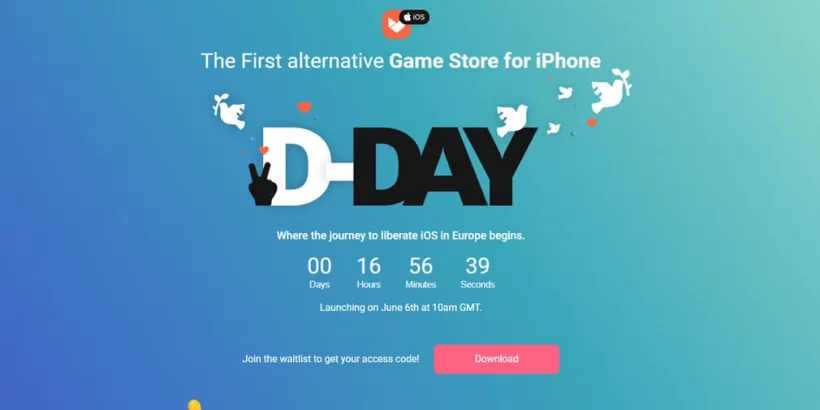
The landscape of mobile app distribution is witnessing a significant transition as Aptoide enters the race to become the first standalone game store on iOS that isn’t operated by Apple. This move by Aptoide opens up a new frontier in the app distribution industry, especially at a time when regulatory changes are compelling tech giants to alter their traditionally restrictive practices.
Established initially for Android devices, Aptoide has managed to carve out a substantial niche in the mobile app market. With traction highlighted by over 400 million users and 10 billion downloads, the platform has hosted more than a million different apps, covering assorted categories. This robust performance on Android platforms gives Aptoide a solid foundation and a wealth of experience to leverage as they eye the iOS ecosystem.
The distinct difference in approaching iOS stems from the longstanding dominance of Apple’s App Store, which has been the primary — and virtually exclusive — portal for iOS applications and games. However, recent legislative changes in both the United States and Europe, including acts like the Digital Markets Act in the EU, have set the stage for a more open environment. These changes have pressured Apple to relent on its stringent controls, allowing room for alternative app stores and thereby fostering competition.
Amid these shifts, Aptoide’s strategy to infiltrate the iOS market involves a controlled launch. Emphasizing exclusivity and demand, the entry into this new territory is planned to be mediated through access codes. A waiting list is already in place, signaling significant interest, with 20,000 potential users queued and over 100 iOS developers indicating their enthusiasm to collaborate. This method could not only help in managing the rollout but also in creating a buzz around its launch, making it a coveted alternative to Apple’s App Store.
Despite these ambitious plans, the challenge remains substantial. The iOS user base, accustomed to the seamless integration and security of Apple’s App Store, might be cautious in transitioning to or adopting an alternative platform. Moreover, the overall success of this venture will largely depend on the user experience and the quality of apps available on Aptoide’s iOS store. For developers, the key will be whether Aptoide can offer competitive advantages, such as better revenue models or less stringent app approval processes, compared to those of Apple.
Furthermore, the focus on game distribution is strategic, considering the immense popularity and revenue potential within this sector. Games are not only a significant part of mobile app usage but are also leading in terms of consumer spend within app stores. This makes them a critical segment for any new entrant like Aptoide targeting a piece of the iOS market.
However, it should be noted that Apple is not likely to cede its territory easily. The tech giant has already expressed dissent over similar moves in the past, such as the public dispute with Epic Games regarding the distribution of Fortnite on iOS. As the market evolves, both Apple and new entrants will need to continuously adapt to not just coexist but to potentially lead in this new, more diversified app store environment.
For mobile users, especially gamers, this could spell a new era where choices widen and control over their digital experience increases. For developers, it opens up a new venue to showcase their work, potentially reaching a broader audience. As Aptoide steps forward with its plan, all eyes will be on how this unfolds, potentially setting a precedent for other alternative app stores looking to break into the iOS market. This move by Aptoide could certainly reshape the dynamics of app distribution on iOS, offering users and developers alike a fresh landscape of possibilities.

You must be logged in to post a comment!
