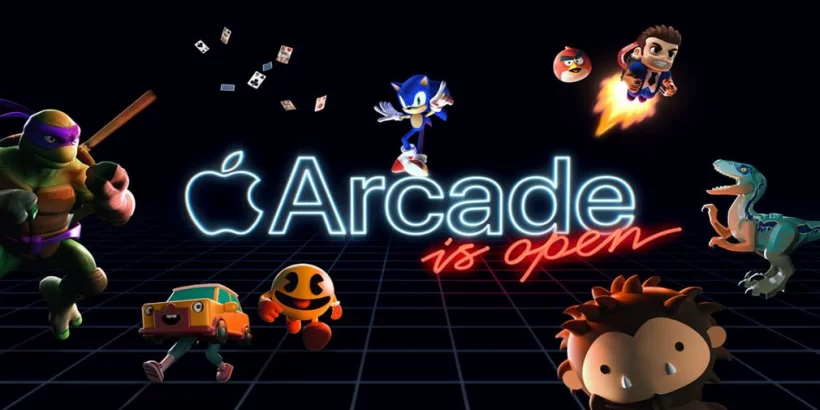
Apple Inc. has announced a significant policy update for its App Store that will reshape the landscape of gaming on iOS devices. In a surprising move, the tech giant is opening its doors to software emulators, which will now be allowed to feature downloadable games as long as they comply with the relevant guidelines and legalities. This marks a substantial shift from Apple's previous stance, where game emulators were effectively banned from being featured on the iOS platform.
Game emulators are specialized software that mimic the hardware of classic video game consoles, allowing modern devices to run games from systems like the Nintendo Entertainment System and Sega Genesis. Known as ROMs, these files contain the data of old games, which can then be enjoyed on new hardware without the need for the original physical cartridges or discs. While emulation plays an essential role in video game preservation, it has also been associated with piracy, leading many publishers to oppose their widespread use.
The rationale behind Apple's change of heart appears to be tied to broader legislative changes. In the face of new regulations like the European Union’s Digital Markets Act (DMA) and challenges in the United States, Apple has been pushed to open its platform to alternative app stores and services. The company has often faced criticism for what some describe as creating a "walled garden," which, while marketed as a means to protect user privacy and offer security, has been seen by others as a way to suppress competition.
Apple's restrictive policies around its iOS ecosystem have been a point of contention for developers and consumers alike. Emulators, in particular, have represented a gray area. They serve not only as tools for piracy but also as a means for enthusiasts to access and play classic games that are no longer commercially available. The availability of rare and out-of-production games is a major draw for emulator users, creating a niche but passionate community.
However, game publishers, especially those like Nintendo, are known for their aggressive stance against emulators, considering them a threat to intellectual property rights. They have been actively involved in taking legal action against emulator websites and developers, viewing the technology as a gateway to illegal game distribution.
With the updated Apple guidelines, emulators can offer their services on iOS, provided they adhere to laws and refrain from distributing copyrighted or unauthorized content. It is a delicate balancing act for Apple, which must cater to legislative demands while attempting to appease game publishers concerned about protecting their intellectual property.
The impact of Apple's policy change on the gaming community is yet to be seen. If successful, it could provide a legitimate means of accessing retro games, potentially leading to a revival of interest in classic titles. For Apple, it could signal a more open and flexible approach to managing its App Store, albeit one necessitated by external pressures rather than a voluntary shift in philosophy.
As alternative storefronts prepare to launch on the iOS platform, the reactions of both users and publishers will be crucial. The introduction of game emulators could enhance the diversity of content available to iOS users and provide a legal avenue for enjoying games from yesteryears. However, it will also subject Apple to greater scrutiny as it navigates the complex terrain of digital rights and software distribution.
The coming months will be a test of Apple's commitment to balancing openness with responsibility, and whether this move will indeed pave the way for a more competitive and varied app ecosystem, or if it will simply add another layer of complexity to the already contentious debate around digital rights and content distribution on mobile platforms. Only time will tell how this policy change will affect the gaming landscape on iOS and whether it will indeed lead to a new era of app store functionality under Apple's oversight.

You must be logged in to post a comment!
