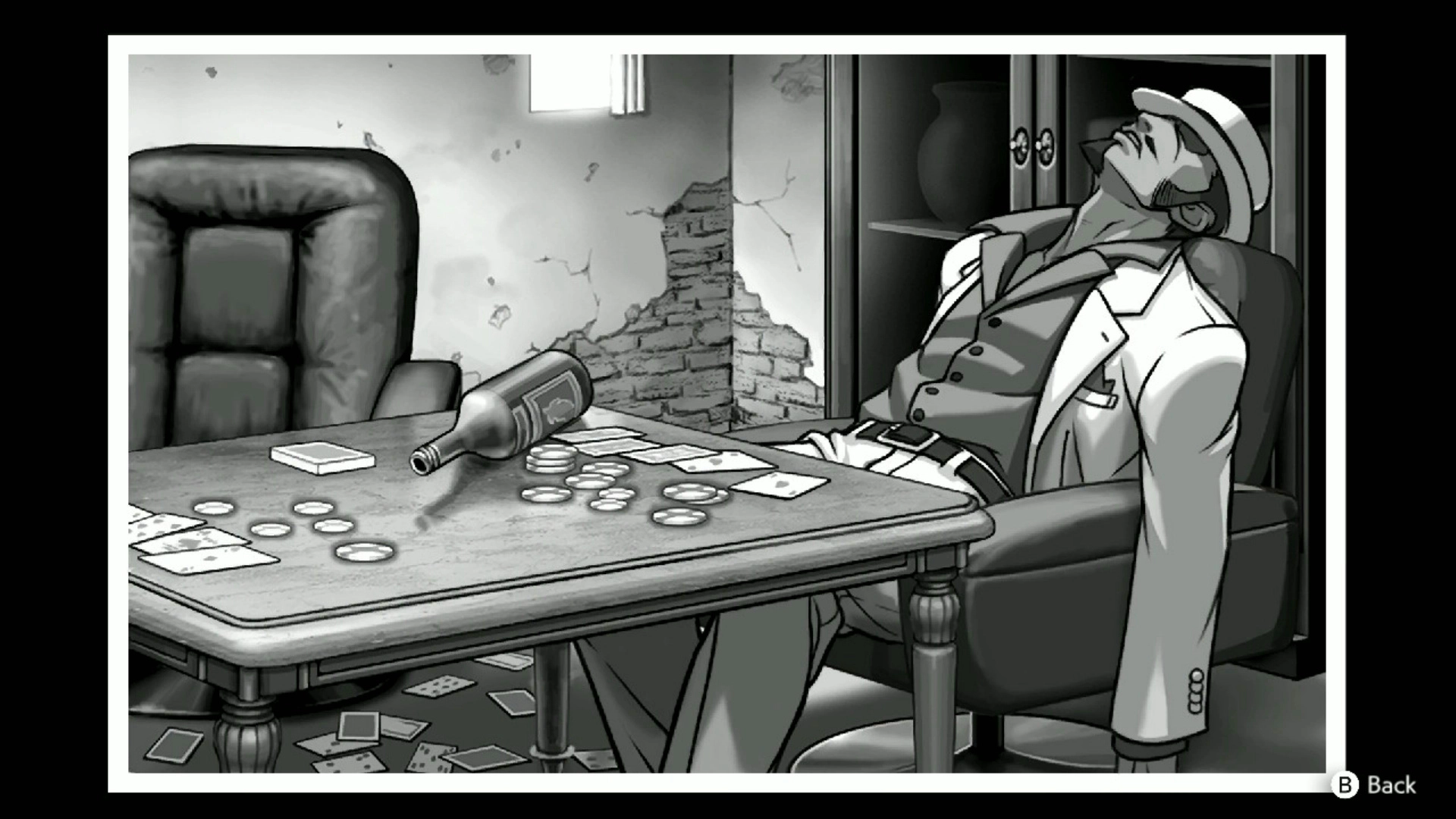
Apollo Justice, the spiky-haired, rookie attorney, debuts to fill the void left by the famed Phoenix Wright in the Ace Attorney series. After a resoundingly successful trio of games with Phoenix at the helm, series mastermind Shu Takumi grappled with the challenge of creating a new narrative direction without retracing the steps of the past. This led to Apollo getting a trilogy of his own – a succession that aligned yet stood distinct from his predecessor's legacy.
The storytelling kicks off with Apollo Justice: Ace Attorney, set a significant seven years post the events from Trials and Tribulations. Phoenix, once the quintessential lawyer, now sports stubble and harbors a weary spirit from his dismal disbarment. Enter Apollo, the series' fresh protagonist, who joins the relabeled Wright Anything Agency. He's stepping into the legal arena when the profession is tainted, an era known as the Dark Age Of The Law. Here, lawyers are up against ruthless adversaries who will leverage any tactic to win their case.
Apollo, carrying a distinct power to slow down time and detect nervous gestures that betray lies, uses his magical bracelet to unveil the truth in court. The first case sees the fall of Phoenix Wright himself under murder accusations, both setting the stage for Apollo's debut and painting a bleaker, more solemn picture of the universe fans once knew.
However, the series quickly accelerates with Apollo Justice, offering only four cases, and moves onto the second chapter, Dual Destinies. This sequel emerges with a transition towards rich 3D character models and animated backgrounds that noticeably enhance the storytelling experience, complete with vivid animations and cutscenes. The gameplay structure remains familiar, but the new art brings an extra dimension to the bombastic and mind-bending cases that include bombings, defending an orca, and a two-part murder mystery that is guaranteed to astound.
Throughout Dual Destinies, there's a discernible struggle to focus on a central character, leaving Apollo and Trucy in narrative limbo, while reintroducing Phoenix who feels out of place as a protagonist. Athena Cykes joins the fray as the novel sidekick with a psychological analysis robot necklace; however, despite her enthusiasm, the dynamic doesn't quite capture the original magic, and her tendency to belabor tutorial directions dims her appeal.
Advancing to Spirit of Justice, the bar is raised even higher. Phoenix takes a terrifying turn from a supposed vacation in the new, exotic locale of Khura'in, where a misstep in court could result in a death sentence. The stakes are high as the narrative ventures into profound territory, addressing religion, politics, and global affairs. On the home front, Apollo and Athena encounter new developments involving a prosecutor from Khura'in, and this installment finally unpacks Apollo's backstory more comprehensively.
Spirit of Justice doesn't skimp on aesthetics; it further refines the animation quality and delivers more intricate anime cutscenes. The character designs continue to be as inventive as their pun-laden names are cringe-worthy, an enduring charm of the Ace Attorney universe.
Overall, the Apollo Justice Trilogy stands as a well-crafted continuation to its predecessor on Nintendo Switch. Despite some low points and a degree of gimmickry, the trilogy's strength lies in a mix of its captivating visual upgrades, exceptional storytelling, and vast narrative content. Coupled with value-adding downloadable content (DLC) cases, and new remaster features such as the "notes" system, "consult" and "story mode" options to assist during challenging segments, and additional artwork and achievements, it's a package that thoroughly serves justice to the beloved Ace Attorney saga.

You must be logged in to post a comment!
