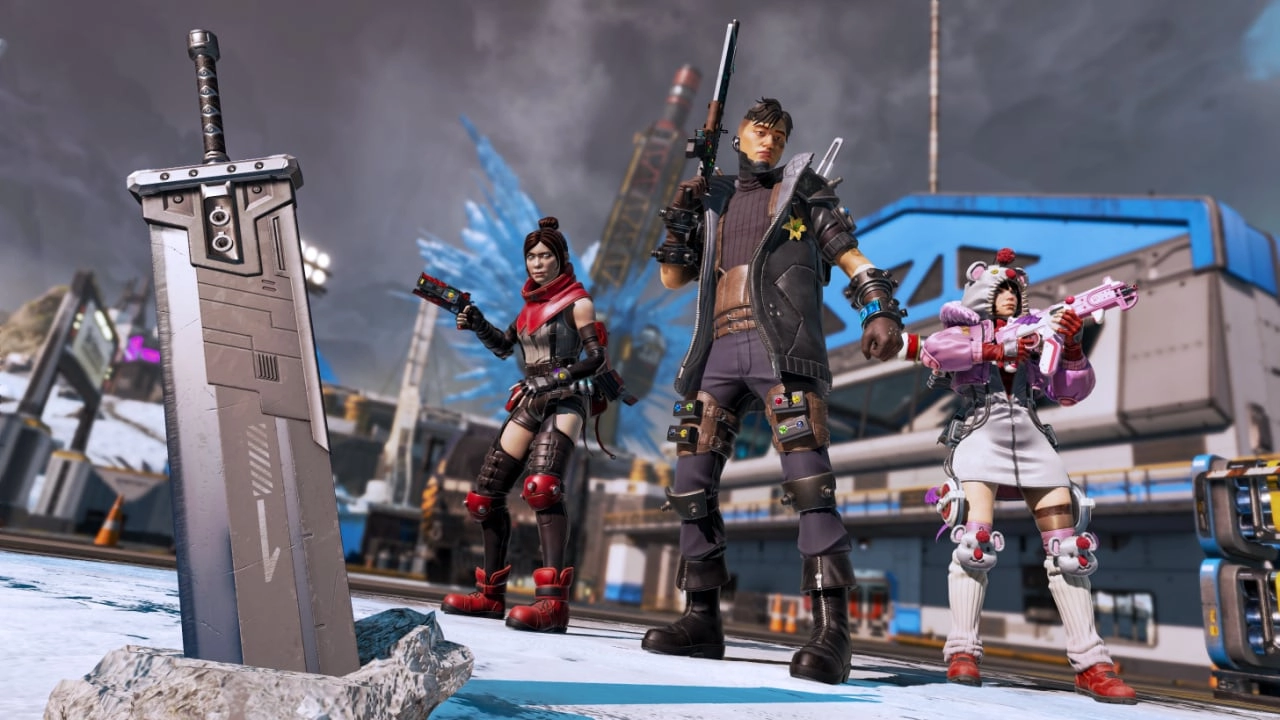
The world of video games is no stranger to collaborations, and the recent crossover between Apex Legends and Final Fantasy 7 Rebirth was anticipated to be another exciting blend of franchises. However, the resulting excitement swiftly turned sour as fans realized the staggering cost of participating fully in the event. Apex Legends, a popular free-to-play Battle Royale game, has introduced an array of special edition cosmetics and gear inspired by the upcoming Square Enix sequel, Final Fantasy 7 Rebirth. But the outcry wasn't over the items themselves, instead, the exorbitant prices set for these collectibles have sparked a furore among the gaming community.
The contents of the crossover - characters' skins, weapons, and other in-game items - are indeed extensive and attractive, especially for fans keen on integrating the Final Fantasy aesthetic into their Apex Legends experience. The developers, Respawn Entertainment, spared no detail, even introducing a new gameplay mode that features the Materia system, a core element from the Final Fantasy series. They didn't stop there – players can also wield Cloud Strife's iconic Buster Sword in the game. Clearly, the developers aimed to make this event special and immersive.
However, the excitement dimmed when the cost of acquiring this gear was unveiled. To collect the full suite of 36 items, players are looking at a hefty $10 investment for each pack of items. This doesn't sound much on the surface, but it quickly adds up to an approximate total of $360. This steep price is specifically to acquire an additional coveted item - the One-Winged Angel Deathbox, inspired by Sephiroth, one of the main antagonists from the original Final Fantasy 7.
The gaming community, known for its vocal users, did not take this lightly. The $300+ price tag has been deemed "ridiculous" by a majority of players. Critics argue that these prices are not just high – they are significantly disproportionate to the value of the digital items. Some even suggest that these practices do not address the underlying issues within the game but instead contribute to a harmful tendency towards overpriced events within the gaming industry.
This sentiment has resonated across social media, with prominent community figures and casual gamers alike calling for a reevaluation of collaboration and monetization strategies. Not only has the pricing caused frustration, but it has also sparked a broader conversation about the value and cost of digital content in gaming.
Despite the backlash, it's worth examining the intricate work that goes into creating these events. Game development, especially for high-quality, free-to-play games, requires a significant investment of resources. Collaborative events are more than just an opportunity to mesh worlds; they also offer diverse experiences that can reinvigorate a game and attract new players.
While the developers at Respawn Entertainment have clearly endeavored to craft an event that delivers new and exciting content, the community has responded with a clear message that the current pricing is not acceptable for most players. The hope is that such feedback can inform future events and collaborations, leading to high-quality content that is both exciting and accessible to the entire gaming community.
The fan uproar sheds light on a growing issue in the gaming industry - the delicate balance between monetization and player satisfaction. Fans have made it clear that while they desire collaborations and fresh in-game content, it needs to be offered at reasonable prices that do not feel exploitative. As the industry continues to evolve, developers and publishers will have to carefully consider their monetization strategies to maintain a loyal player base while also ensuring their businesses remain profitable.
The Apex Legends and Final Fantasy 7 Rebirth incident may serve as an important case study for the gaming industry, demonstrating the repercussions of ignoring community sentiment. Whether or not this will result in changes to pricing structures in future events remains to be seen, but the message from the community has certainly been loud and clear: great content should not come at an unreasonable cost.

You must be logged in to post a comment!
