
In the realm of classic video games, one cannot overlook the impact of Duck Hunt, a seminal title that became synonymous with the iconic NES Zapper. The game, simple in its design and enjoyable by players of all ages, tasked users with shooting ducks on screen with a light gun. Its success cemented Duck Hunt as a cornerstone of early gaming culture and a fond memory for many who experienced the 8-bit era.
Fast forward to the world of modern gaming enthusiasts and developers who continue to breathe life into nostalgic titles through remakes and adaptations, often without the original creators' direct involvement. One of these developers has taken it upon themselves to give Duck Hunt new wings, so to speak. This time, the classic game finds a new home on the Commodore Amiga personal computer. But what makes this reimagined Duck Hunt stand out?
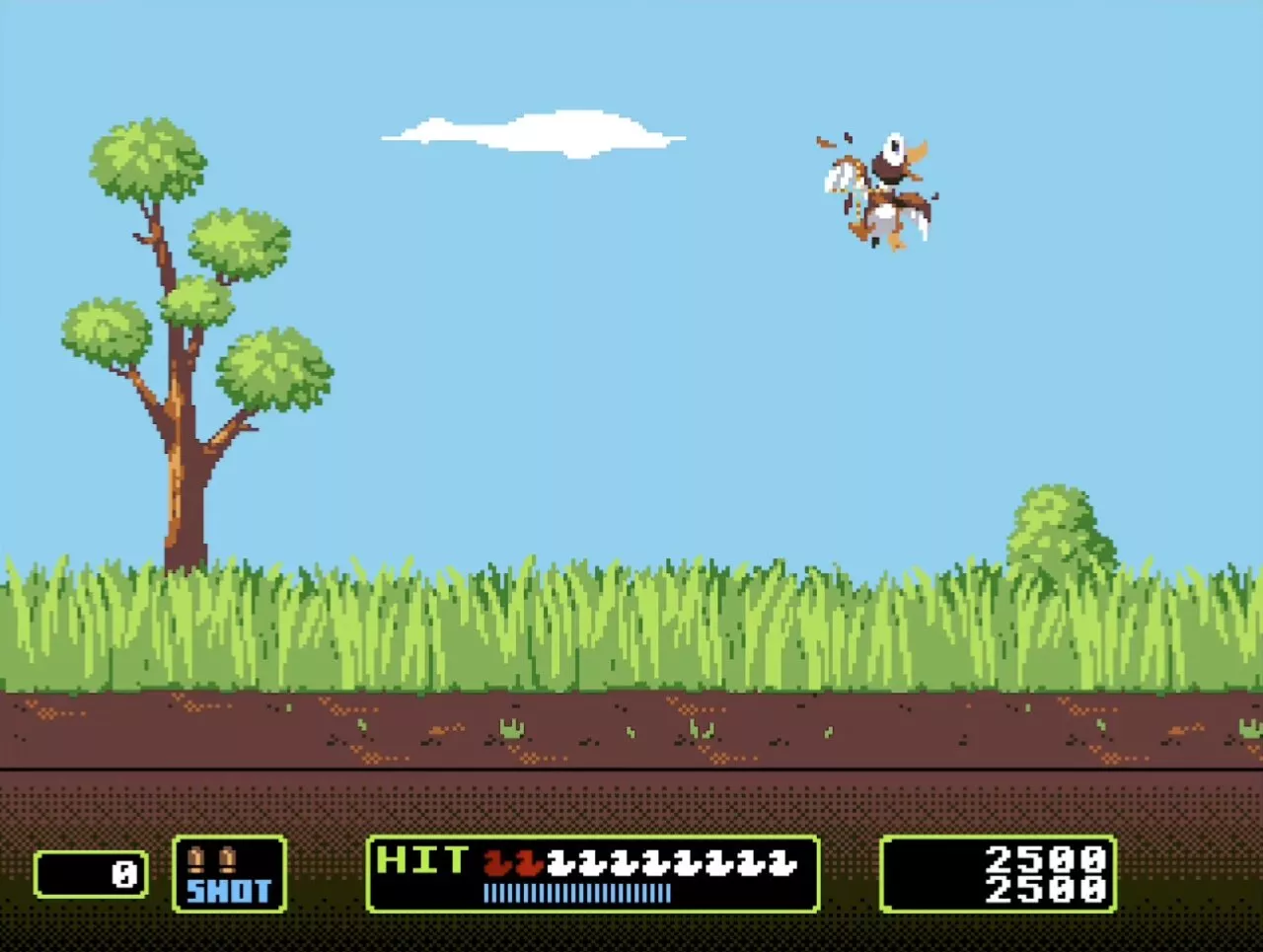
Homebrew developer marggines has unveiled the release of the version 1.2 update of Duck Hunt for the Amiga. This version is noteworthy not just for the fact that it is a remake, but also for its enhancements over the original. Enhanced features include a new start-up screen, overhauled cloud designs, and an aesthetically pleasing shaded background—details that contribute to a fresher visual experience while maintaining the classic Duck Hunt feel.
Despite these modern tweaks, the Amiga version does diverge from the authentic Duck Hunt experience in one significant way. Currently, there is no support for light gun peripherals on the Amiga, meaning traditionalists who reveled in the zapper antics might miss out on that particular aspect of the game. Instead, players will rely on the mouse to aim and shoot at the ducks flapping across the screen. This change, although necessary due to the hardware limitations, provides a different layer of challenge and enjoyment.
This enhanced Duck Hunt has been tested and confirmed to work on several hardware configurations. These include the Amiga 500 with a PiStorm expansion, the FS-UAE emulator, the Amiga 1200 with an 8MB Fast ROM, and intriguingly, the A500 Mini micro-console. The presence of the game on such diverse Amiga hardware means a wider audience of retro enthusiasts can experience this remake.
For the Commodore community, this isn't the first time a Duck Hunt port has appeared; previously in 2022, the game found its way onto the Commodore 64. The C64 version included support for various input methods, such as mouse, joystick, and light gun, demonstrating the community's dedication to keeping the spirit of the game alive across different platforms.
It's clear that the allure of classic games like Duck Hunt persists and that the dedication of homebrew developers provides an invaluable service to nostalgic gamers and retro lovers. They may not have the backing of giant corporations like Nintendo, yet their passion projects stand as a testament to the enduring love for video games of yesteryear. Through these community-driven endeavors, the games that defined many gamers' childhoods continue to live on, evolve, and find new audiences.
While Nintendo has acknowledged Duck Hunt's legacy in various ways—such as nods in the WarioWare series and the Smash Bros. universe—the fans who have taken their love for the game a step further by crafting these modern tributes deserve recognition. They enable us to revisit our cherished gaming memories in a new light, bridging the gap between the past and the present.
The unofficial Duck Hunt remake for the Commodore Amiga demonstrates how the classics never truly fade away. They simply transform, adapt, and resurface in delightful new incarnations for the next generation to enjoy, as well as for those who wish to rekindle the joy of their digital youth. As the gaming community moves forward, it's this blend of preservation and innovation that keeps the essence of classic gaming alive and well into the future.



You must be logged in to post a comment!
