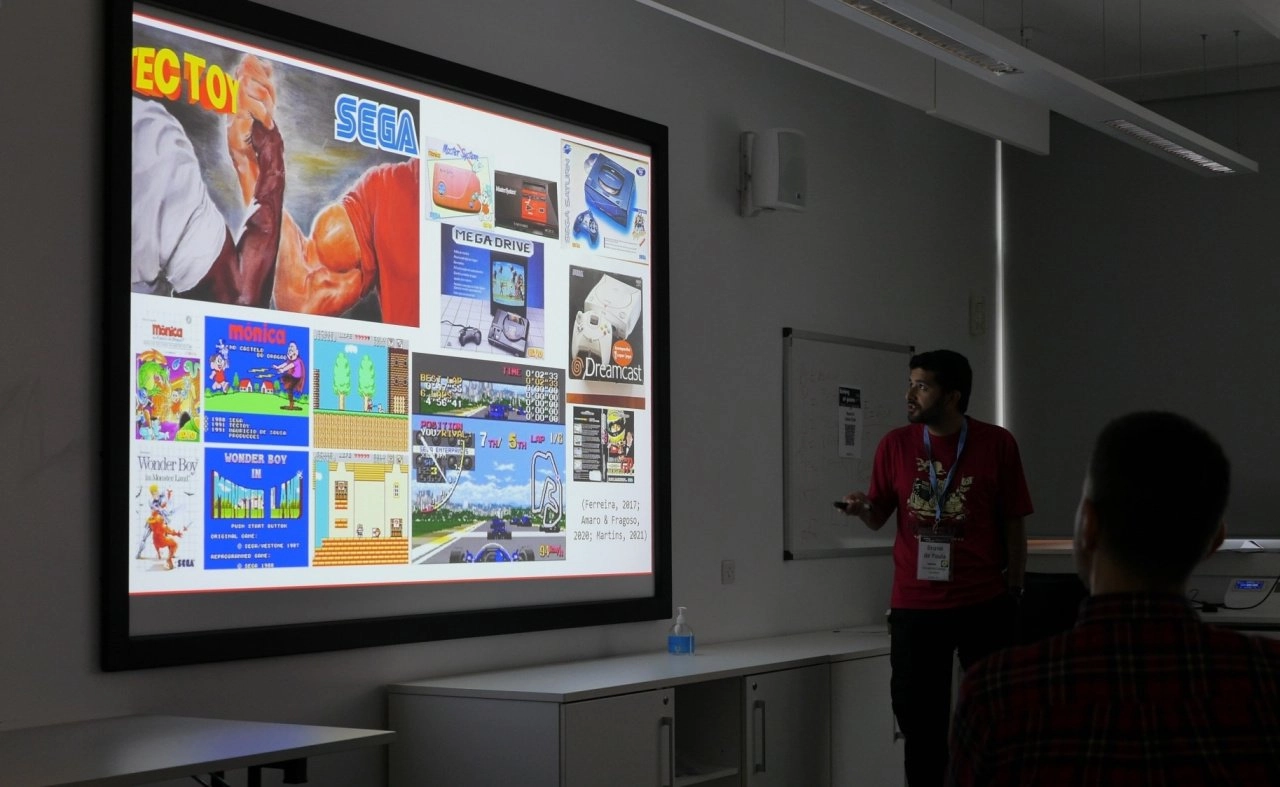
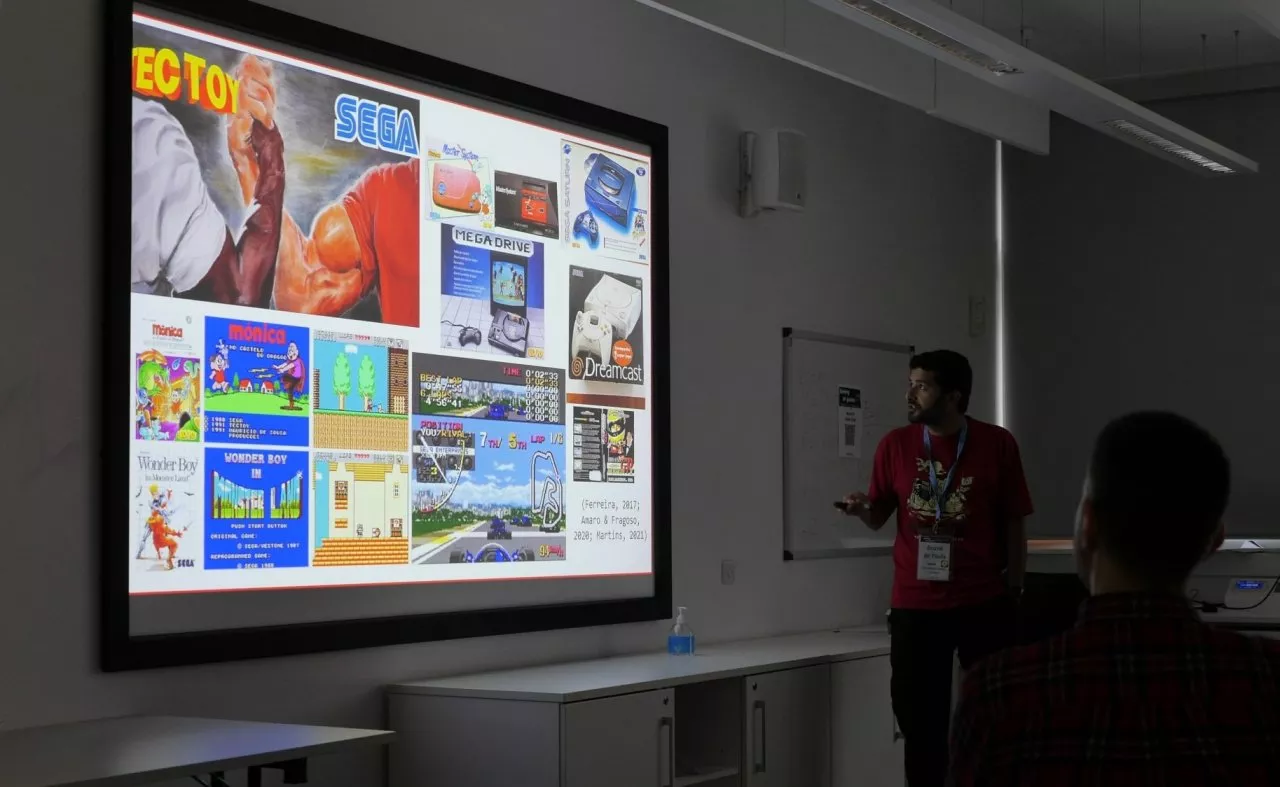
The fifth History of Games conference, hosted at Birmingham City University from May 22 to May 24, 2024, marked a significant event in the academic study of game history, yet it flew under the radar of mainstream media, with scant coverage. This conference, following its inaugural event in Montreal in 2013, has become a crucial platform for researchers from around the world to discuss developments and historical insights into the domain of video games.
The conference attracted 80 delegates, with 56 attendees in person and 24 online, featuring 68 talks that were carefully selected from 93 submissions by a panel of experts. These talks were delivered by a mixture of university professors, PhD students, independent scholars, and others interested in the history and cultural impact of games. A significant theme for this year's conference was "families of games," which aimed to explore the evolution and lineage in game design and genres.
Despite the academic rigor and diversity of presentations, the conference's impact was muted by a lack. This lack of engagement wasn't due to the quality or relevance of the discussions, which covered topics as varied as the depiction of mafia families in games, the evolution of magic systems in game history, and the interplay between game history and cultural memory. Instead, the absence of media coverage highlights a broader issue of disconnect between academic research in gaming and mainstream games journalism.
The organizers of the conference included Dr. Alex Wade, Dr. Nick Weber, Dr. Poppy Wilde, and Dr. Charlotte Stevens, who put forth an impressive array of talks. One keynote even delved into historical depictions of organized crime within video games, drawing connections across various cultural contexts including Japanese Yakuza and Russian Bratva, indicating the multidisciplinary approach that such conferences adopt.
Notable too was the incorporation of social activities that enriched the communal experience of attendees. A classy wine reception kicked off the event, and the schedule included downtime at the local board game café, Chance and Counters, allowing attendees to mingle and network in a less formal setting.
One distressing aspect about the richness of content presented at the conference is the impermanence of its accessibility. Post-conference, these academically rich talks and preliminary research presentations, crucial for advancing game historical knowledge, risk becoming ephemeral knowledge, barely accessible outside the conference environment. Addressing this, Dr. Wilde mentioned the potential for these to be compiled and made available, potentially in open-access journals, which align with the broader academic push towards open-access publishing to democratize knowledge.
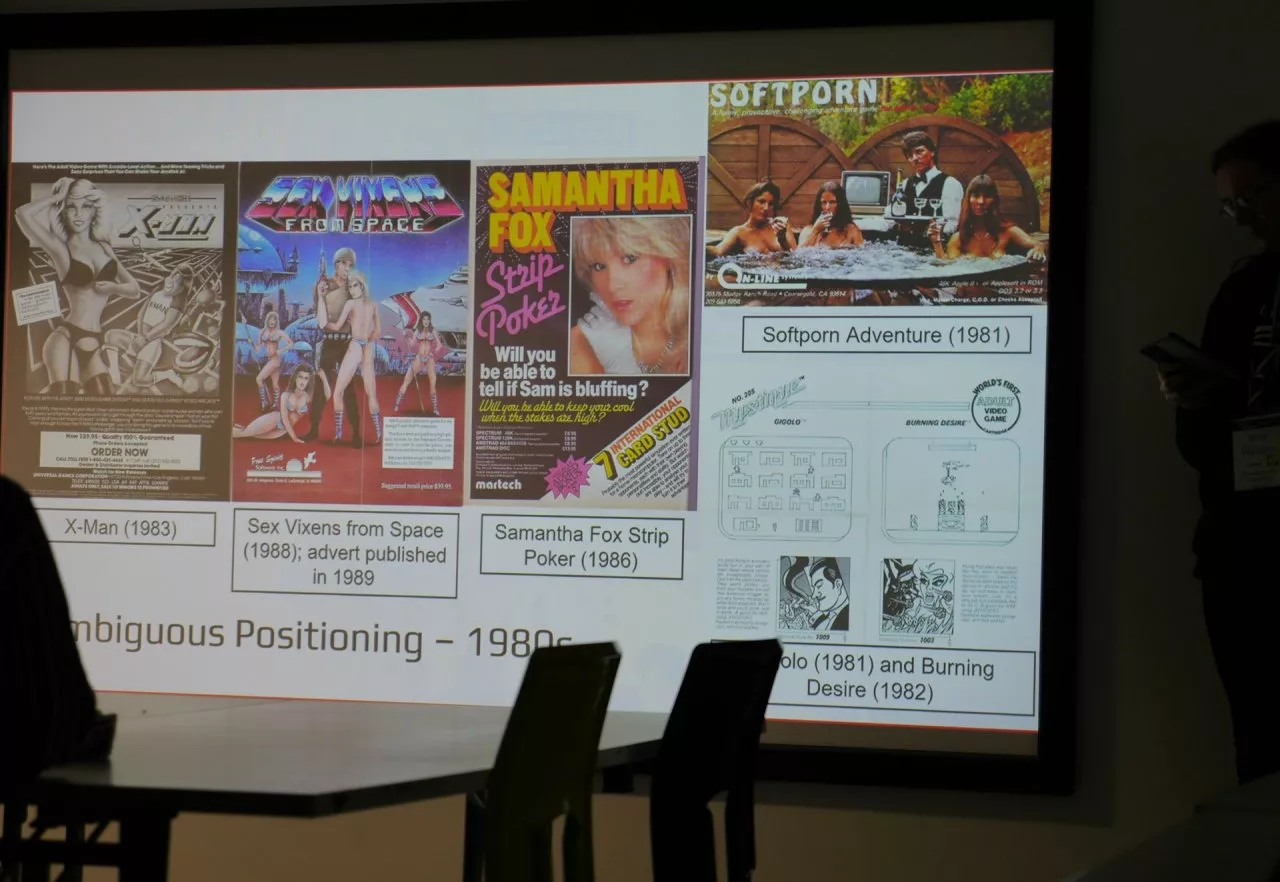
Participants presented various innovative research projects with potential for future publication. For instance, PhD student Charlotte Courtois spoke on modifying pornographic games on micro-computers—a talk to be expanded into a book chapter later in the year. Moreover, the closing sessions prompted important discussions about the role of academia in preserving and operationalizing gaming history for future educational and developmental insight.
In contrast to the academic community's enthusiasm and commitment to sharing knowledge, the stark lack of media attention perhaps points to a wider issue within cultural journalism and its engagement with games as a medium not just of entertainment, but also as a subject of serious academic inquiry. The hurdles in communicating academic work to a broader audience, the challenges of framing complex research in accessible ways, and the hesitance of media outlets to engage with academic content compound this problem, risking a valuable disconnect between game historians and the public.
Reflecting upon this significant but underreported event, it becomes evident that while academic endeavors to excavate and examine the history of games progress, much work remains in bridging these insights with broader public conversations and appreciation. A concerted effort to link academic research, media coverage, and public engagement may yet counter this oversight, ensuring that the intricate tapestry of game history receives the recognition and consideration it duly deserves.


You must be logged in to post a comment!
