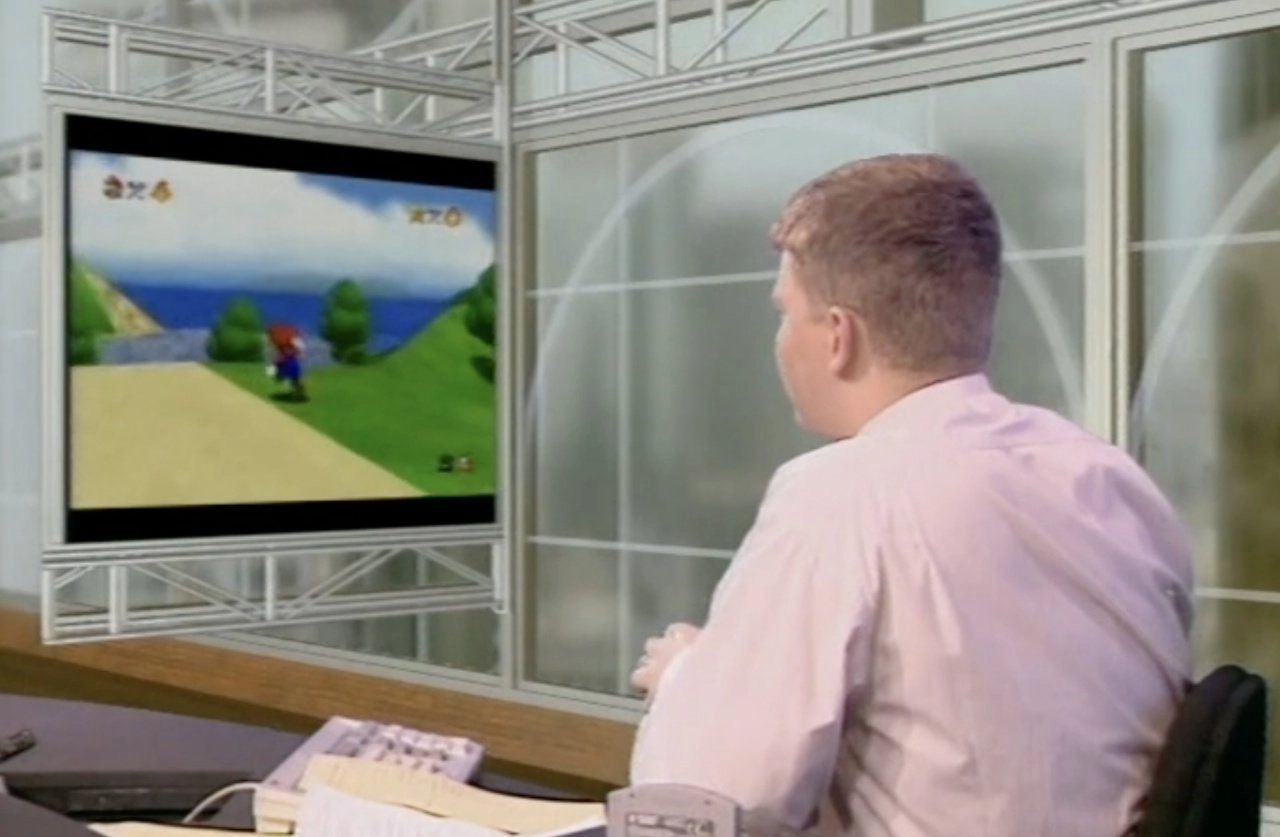
The year 1997 was a landmark in the world of video games, particularly in the United Kingdom, where the gaming landscape was poised to change significantly. During this time, Nintendo, a giant in the industry, was gearing up to release its much-anticipated N64 console in the UK. This event was not just another console launch; it represented a pivotal battle in the gaming console wars involving three major players: Nintendo’s N64, Sony’s PlayStation (PS1), and Sega’s Saturn.
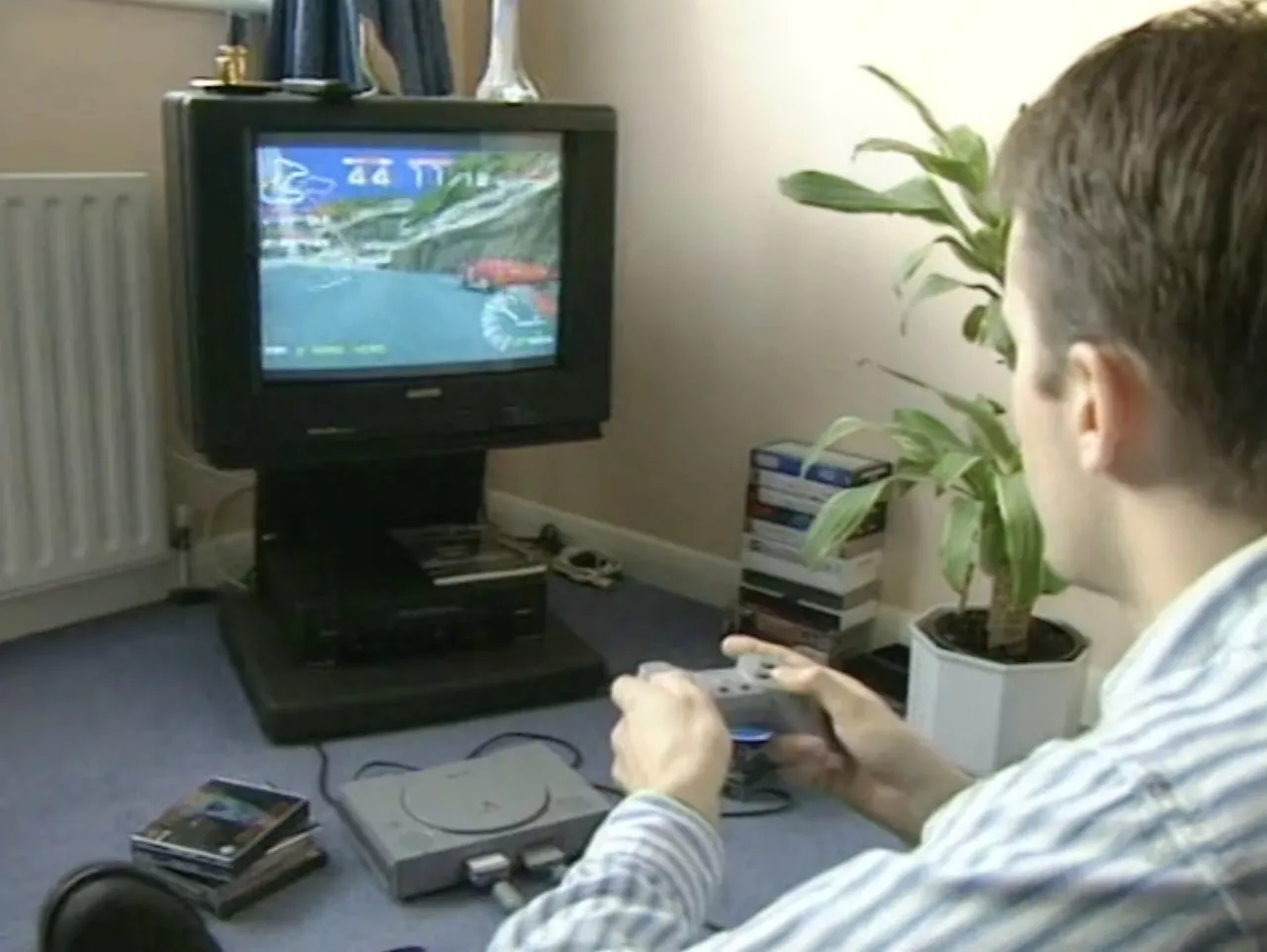
In March of that year, anticipation was mounting. Both the PS1 and Saturn had already been available in the UK since 1995, giving them a market presence and establishing a competitive scenario for Nintendo to contend with. The N64 had debuted in Japan in 1996, which meant that by the time its UK launch rolled around, gamers and industry watchers were eager to see how it would stack up against its well-entrenched competitors.
Despite heading into a seemingly saturated market, Nintendo was confident. This confidence was rooted in the belief that the N64 was technically superior to both the PS1 and Saturn due to its advanced graphics capabilities and sound. Cartridges, which the N64 used instead of the compact discs favored by the PS1 and Saturn, allowed for faster load times, an advantage that Nintendo was quick to highlight. This benefit alone was significant in an era where gamers were becoming increasingly impatient with loading screens.
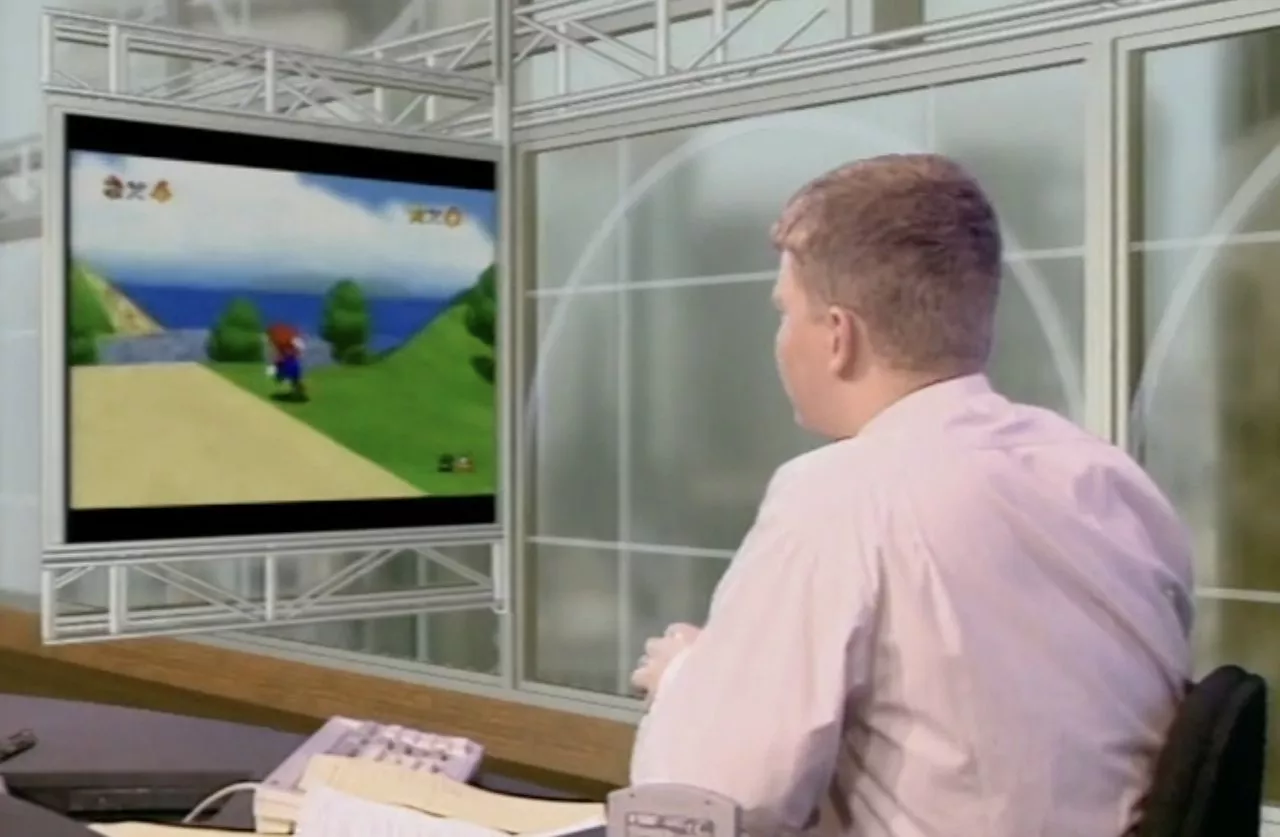
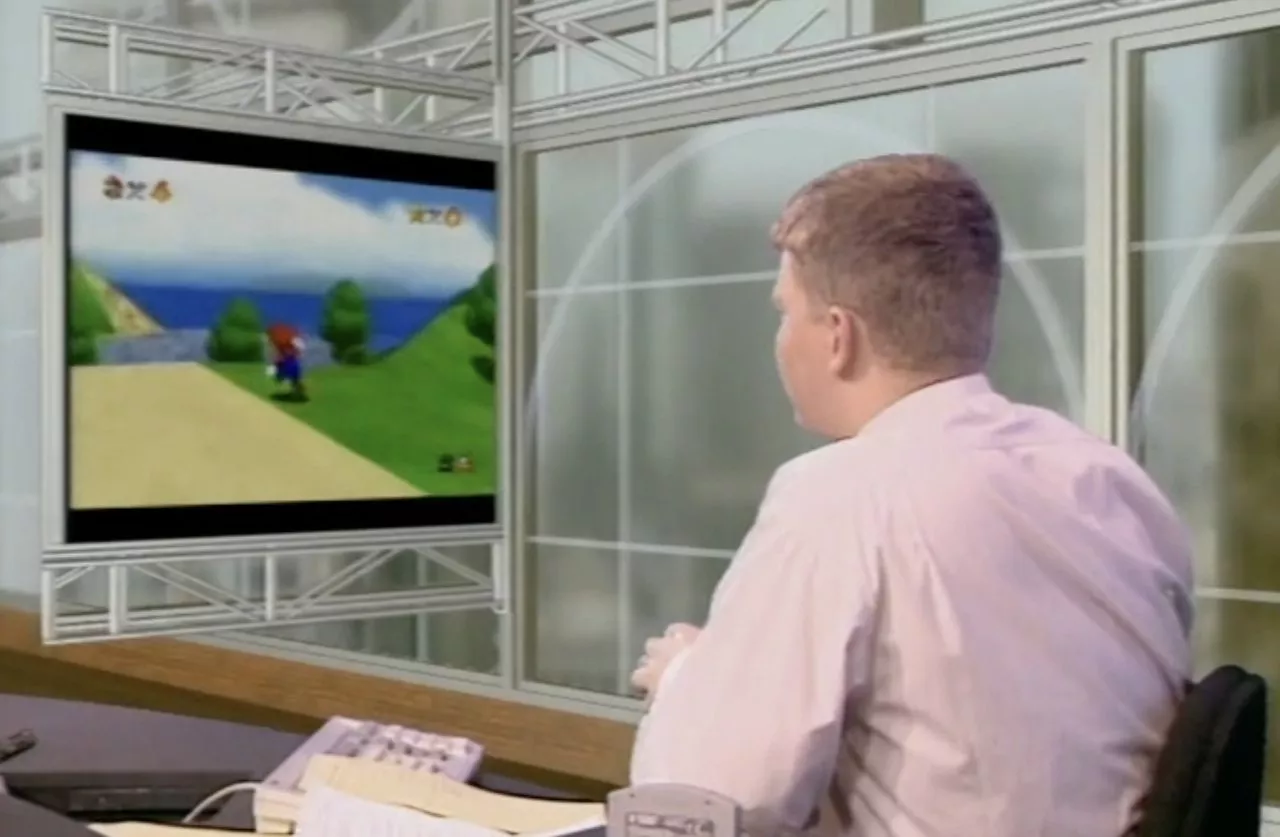
The hype around the N64 was substantial, captured effectively by a BBC segment that delved deep into the console war unfolding at the time. An HMV spokesperson, interviewed during the segment, boldly predicted that the N64 would emerge victorious in the three-way battle and declared that the market couldn't possibly sustain all three consoles. This prediction held a grain of truth, as the Saturn did eventually decline in popularity in the UK.
General public sentiment, as reported by the BBC, leaned in favor of the N64. Many users felt the console provided superior visuals, sound, and gameplay compared to the PlayStation. These factors created a wave of positive feedback that seemed to confirm Nintendo’s claims about its console’s prowess.
Interestingly, the BBC report mentioned a prediction from Datamonitor suggesting that console sales would peak in 1999, after which PC and online gaming would become the primary platforms for gamers. This forecast massively underestimated the staying power of console gaming, which continues robustly decades later. For instance, the PlayStation 2 (PS2), released after the period predicted for the peak, went on to become the best-selling console of all time.
Looking back, it’s clear that the landscape of gaming was misunderstood in some regards. The era did not mark the end of console gaming’s relevance; rather, it was a moment of evolution and growth. The N64, though it did not outsell the PlayStation, carved out a revered place in gaming history, remembered for groundbreaking games and innovations that pushed the industry forward.
Today, the legacy of the console wars of the late 1990s is still evident. Modern gaming consoles, while significantly more advanced, continue to compete in a market that echoes the battles of the past. These competitions drive technological advancements and innovations that shape how we play and interact with video games.
This nostalgic journey through the 1997 gaming scene provides insights not only into the history of gaming but also into the cultural shifts that accompany technological advancements. It reminds us that predictions about technology often miss the mark, and what really matters is the enjoyment that products like the N64 have brought to millions of people around the world.


You must be logged in to post a comment!
