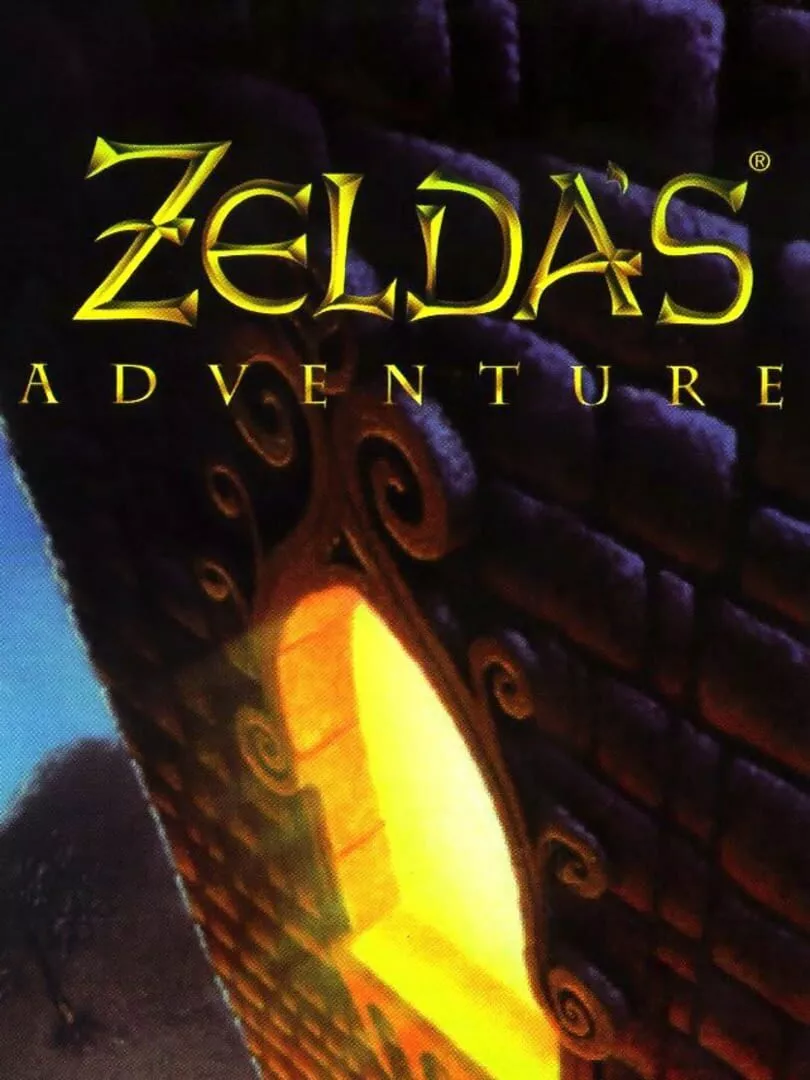
Zelda's Adventure, a lesser-known entry in the Zelda franchise, came to be due to an interesting compromise between Nintendo and Philips. The two giants had initially planned to release a CD-ROM based add-on for the Super Nintendo Entertainment System but faced setbacks and ultimately abandoned the project. As a result, they collaborated on creating games for the Philips CD-i console, leading to the creation of Zelda's Adventure.
What sets Zelda's Adventure apart from its predecessors is its completely unique design and gameplay. Unlike previous CD-i Zelda titles, this game places Princess Zelda herself as the protagonist, making it the second game in the series where players can take on her role directly. This departure from convention was a bold move that showcased the diverse approach taken by the developers.
In terms of gameplay, Zelda's Adventure adopts a similar top-down view that players are familiar with from traditional 2D Zelda games. Players navigate through towns, forests, and dungeons, solving puzzles and battling enemies along the way. The inclusion of dungeons adds an element of exploration and challenge that enhances the overall experience.
Despite its unique approach, Zelda's Adventure has been at the receiving end of much criticism. Many fans of the franchise consider it to be a black sheep within the series. Even Nintendo itself does not officially recognize the game as part of the Zelda canon. This lack of recognition has contributed to the game's relative obscurity among gamers and Zelda enthusiasts.
One of the main criticisms aimed at Zelda's Adventure is its departure from the established lore of the series. Some fans were disappointed by the absence of Link, the beloved hero of Hyrule, as the playable character. Instead, they were confronted with Princess Zelda taking the lead. While this change brought a fresh perspective, it also strayed from the familiar formula that fans had come to know and love.
Another aspect that drew criticism was the overall production quality of the game. In comparison to other entries in the Zelda franchise, Zelda's Adventure fell short in terms of graphics and audio. The CD-i console itself faced limitations, resulting in a less immersive experience for players. These technical shortcomings further contributed to the game's lack of popularity and recognition.
Despite the criticisms, Zelda's Adventure still holds a unique place within the Zelda franchise. It offers players the opportunity to experience the world of Hyrule from a new perspective, putting Princess Zelda in the spotlight as the hero. This departure from tradition showcases the willingness of developers to take risks and experiment with established game series.
While Zelda's Adventure may not have received the recognition it deserved, it remains an important piece of gaming history. It stands as a testament to the innovative spirit of collaboration between Nintendo and Philips, even if the end result was not universally acclaimed. For fans of the Zelda series, it provides a fascinating glimpse into what a different take on the beloved franchise can look like.
In conclusion, Zelda's Adventure may not be considered a main entry in the Zelda series, but its existence on the CD-i console is a testament to the game industry's ever-evolving nature. Princess Zelda's adventure took a different path, both in terms of gameplay and reception, but its uniqueness and daring approach make it an intriguing addition to the Zelda franchise's colorful history.



