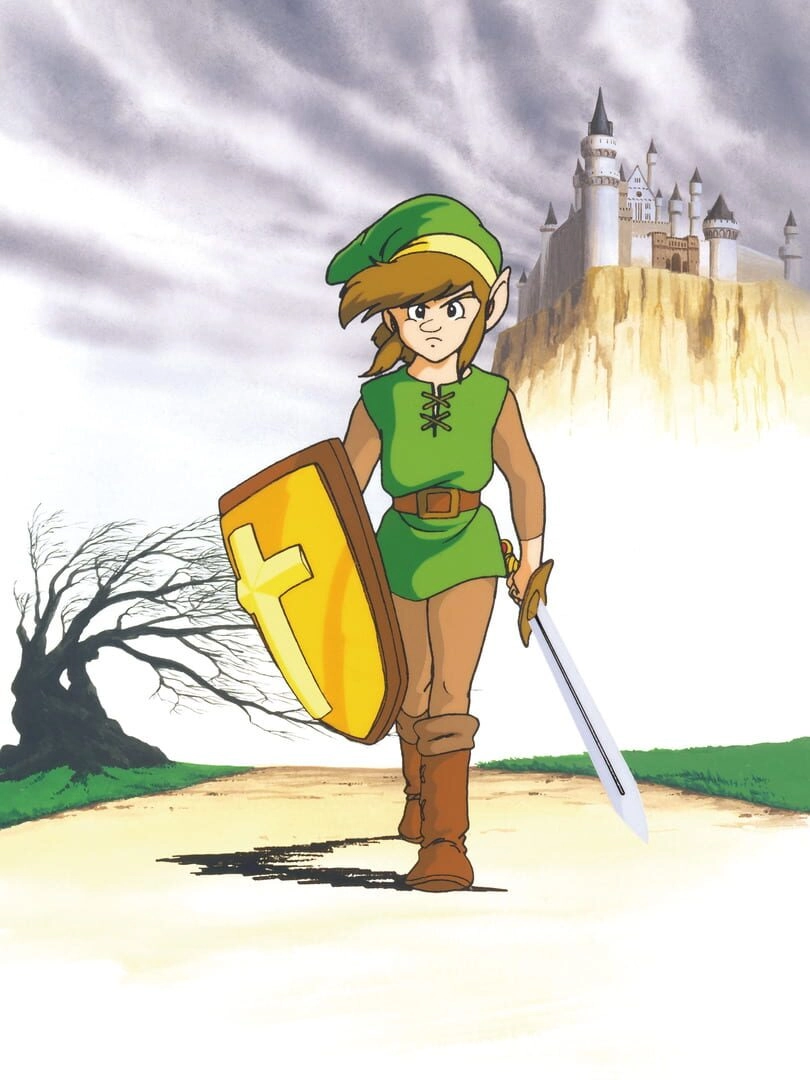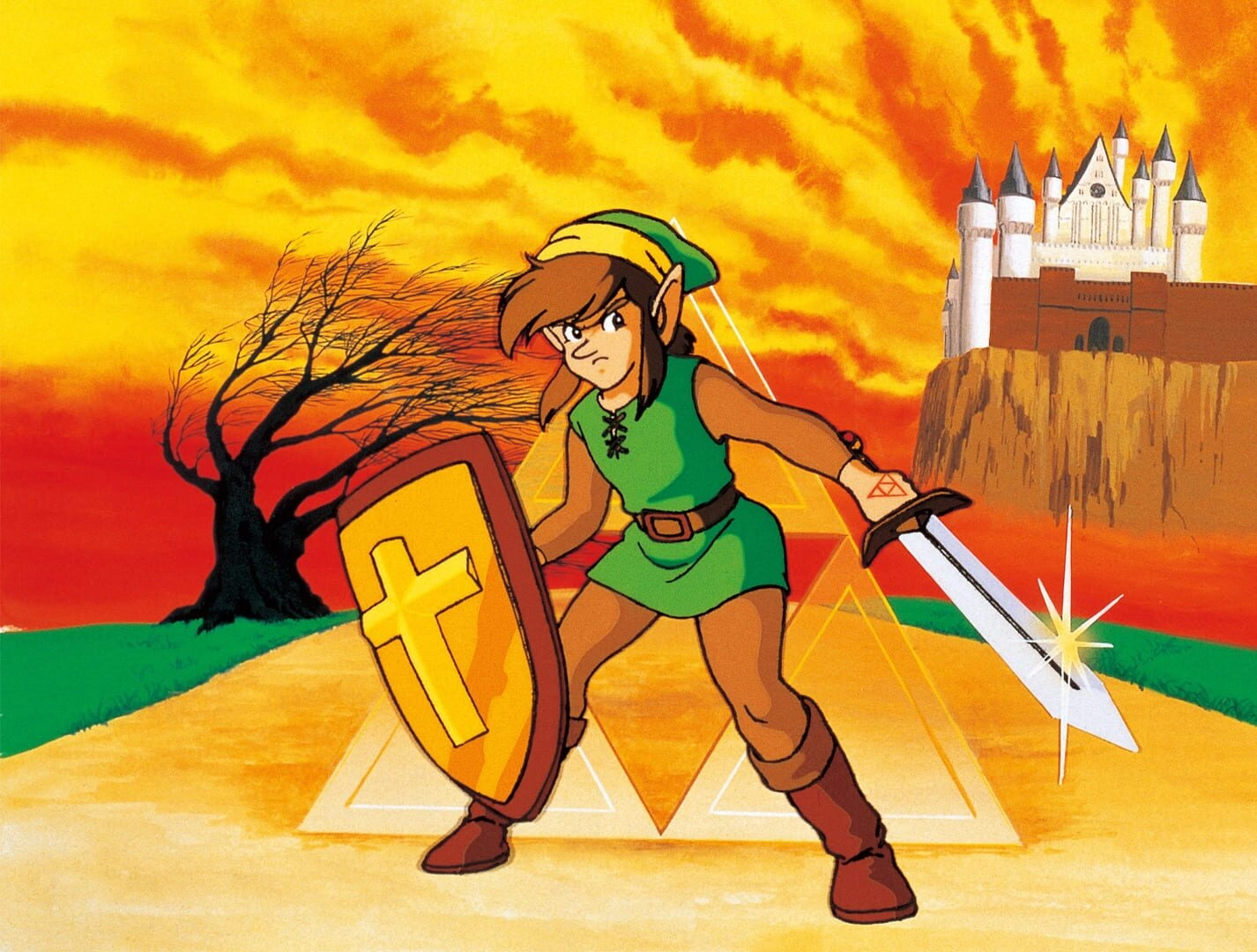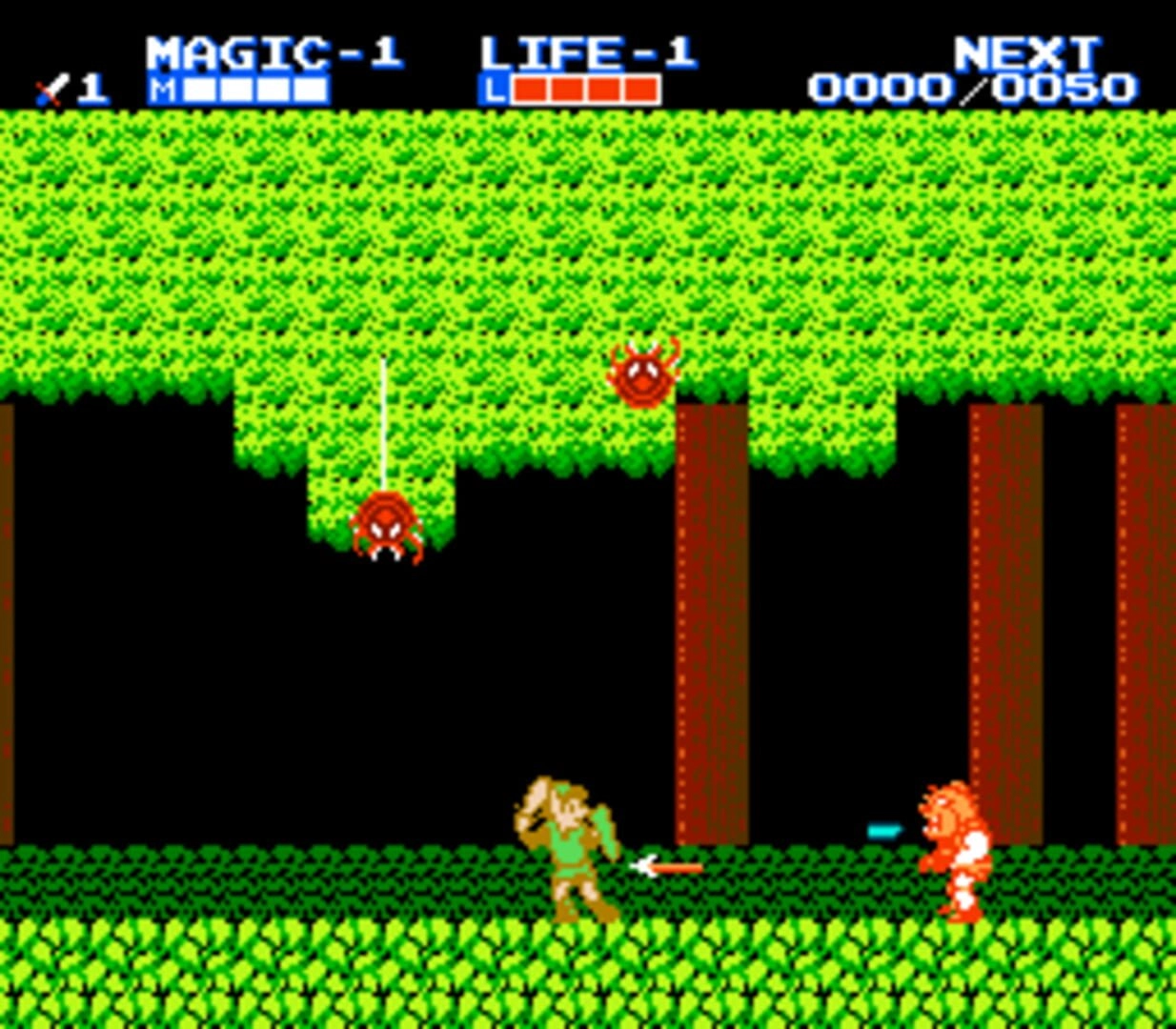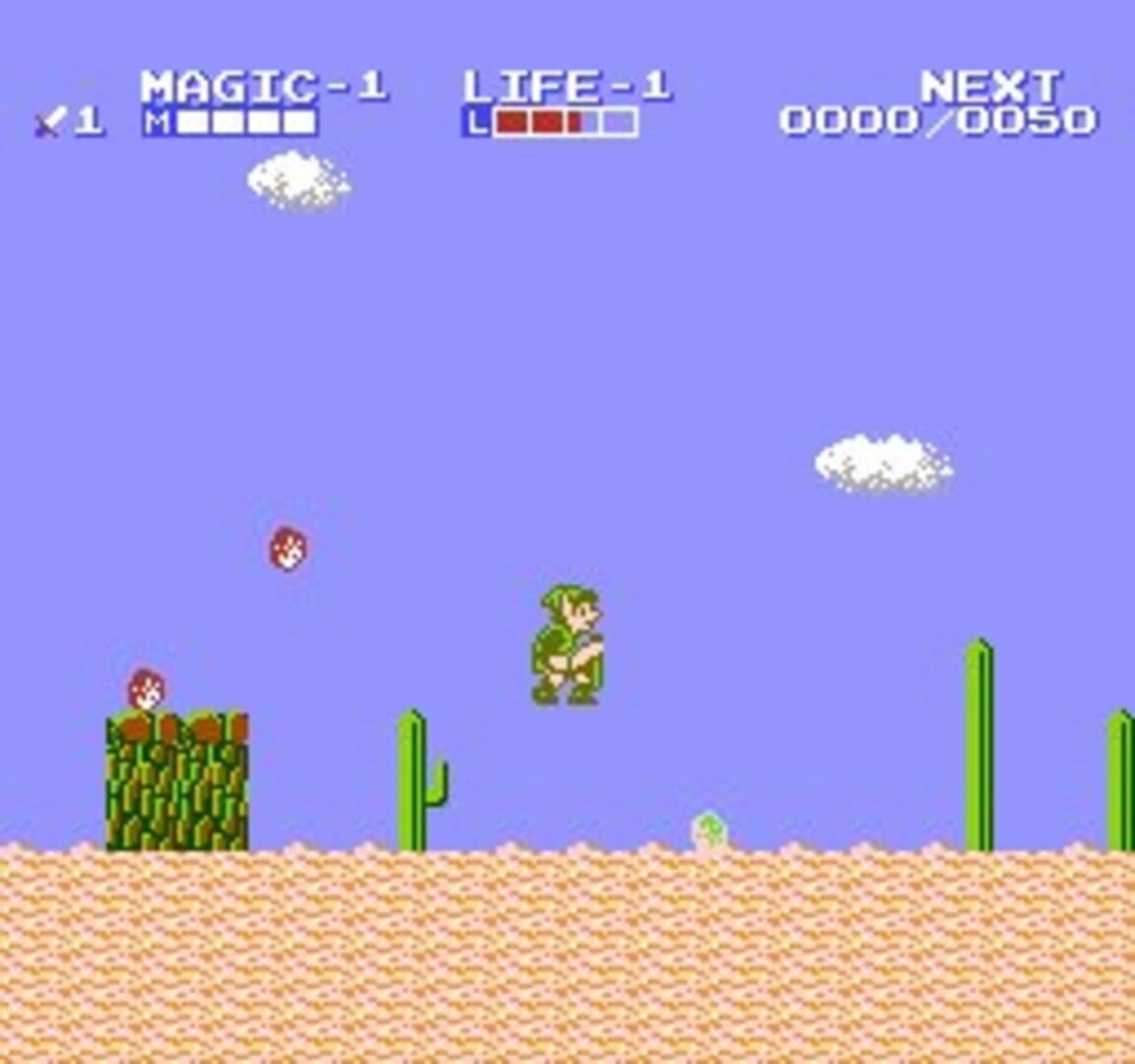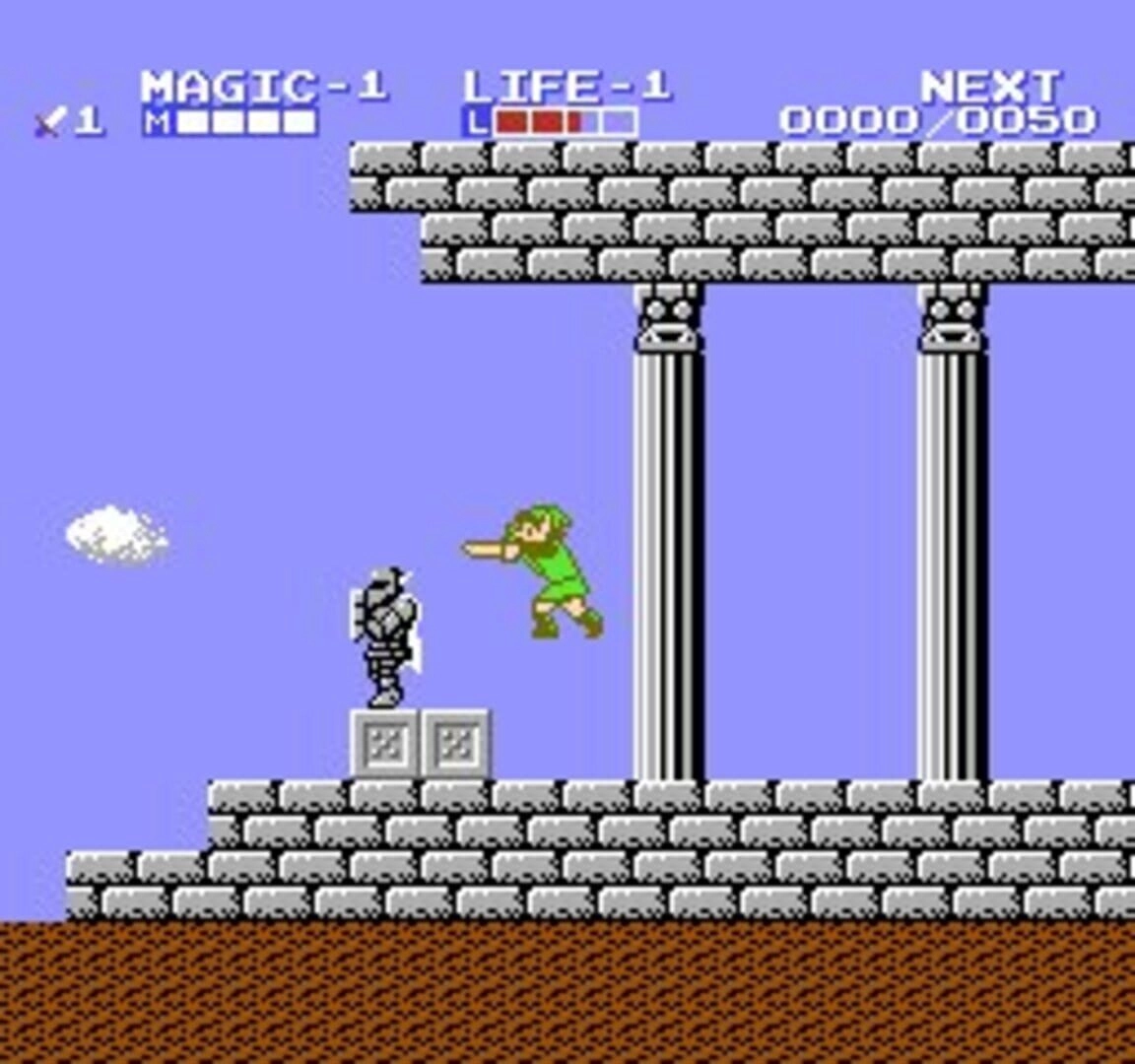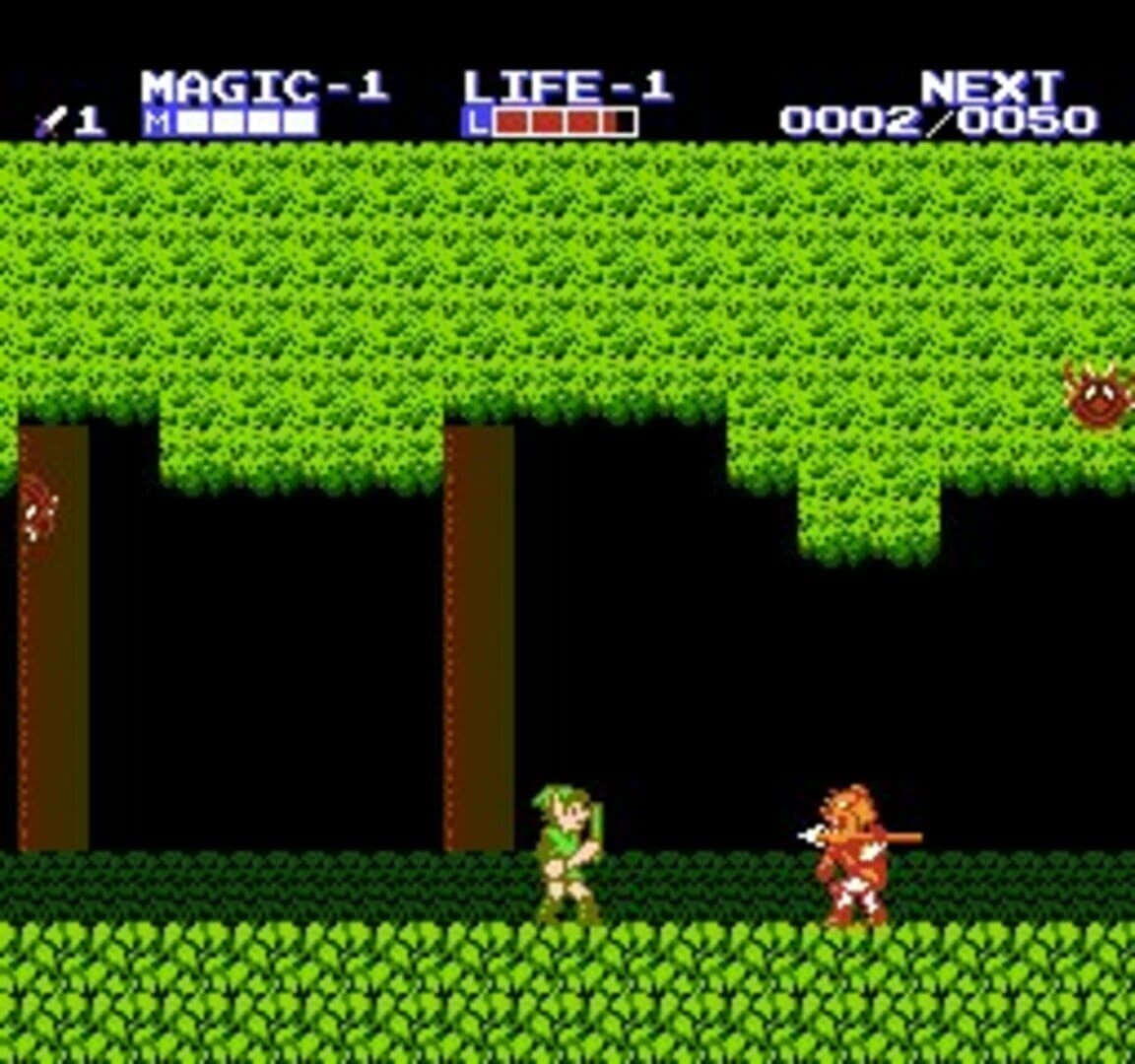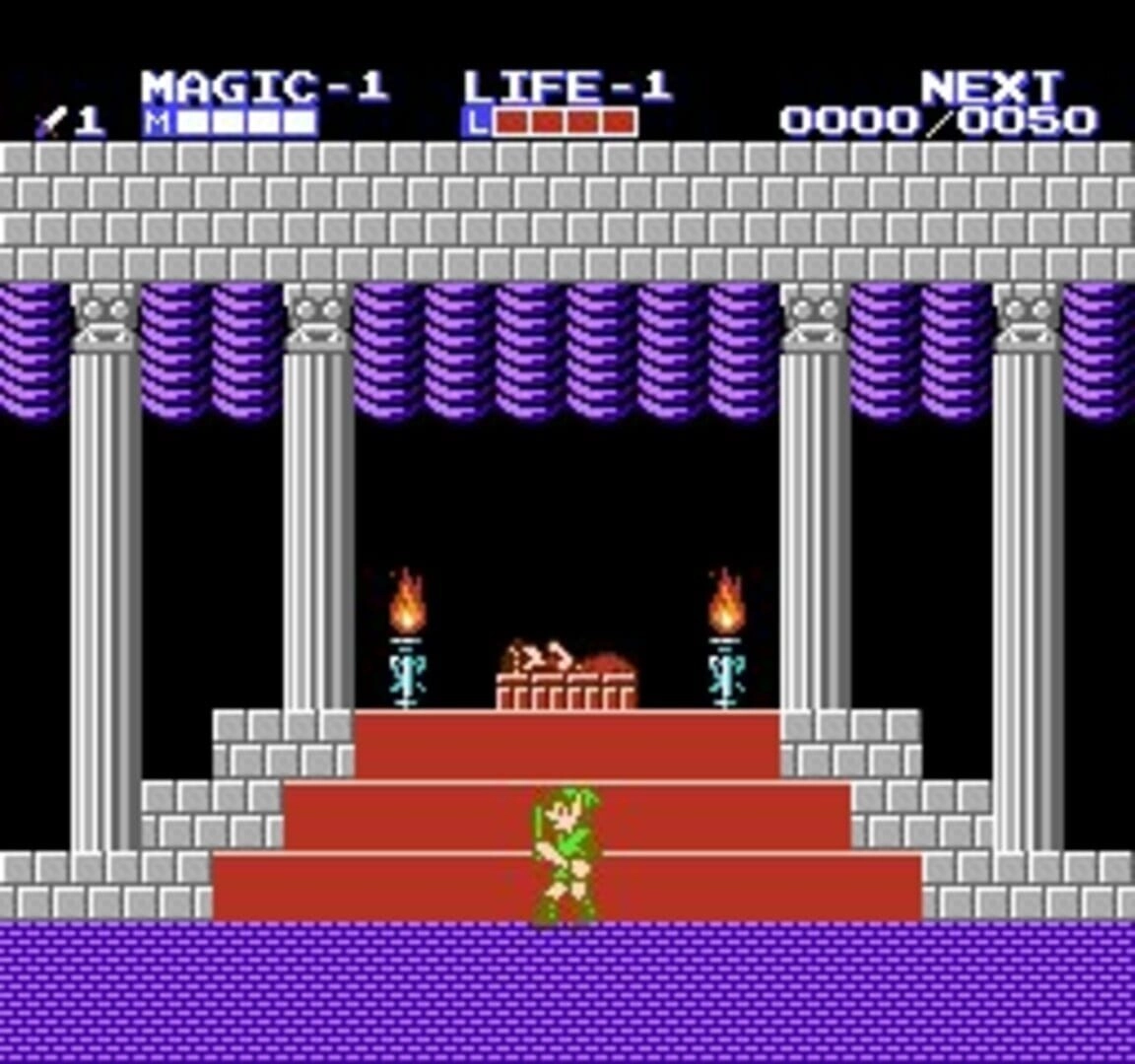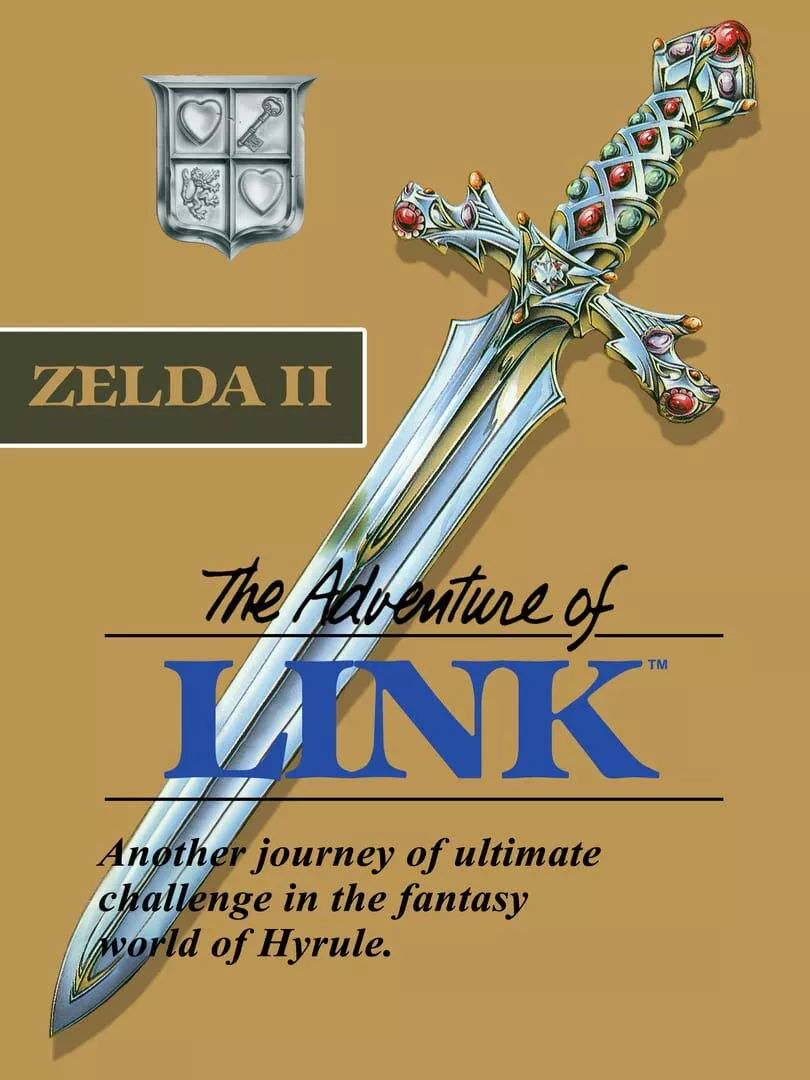
Zelda II: The Adventure of Link is a game that took the beloved Legend of Zelda series and turned it on its head. As the direct sequel to the first game, it introduced a range of gameplay changes that set it apart from its predecessor. One of the most noticeable changes was the shift from the top-down perspective for which the series was known to a side-scrolling playfield. This departure marked a significant departure from the traditional formula and added a fresh twist to the gameplay.
In The Adventure of Link, players embark on a quest to rescue Princess Zelda from the clutches of the evil Ganon. Along the way, they must navigate through various dungeons scattered across the expansive overworld. These dungeons hold the key to progressing in the game, as players must find hidden items that unlock new abilities and help them in their quest.
One of the major gameplay changes in Zelda II was the addition of experience points and leveling up. As players defeat enemies and complete tasks, they earn experience points that can be used to increase their character's attributes. This leveling system added a new layer of depth to the game and allowed players to customize their character's abilities to suit their playstyle.
The combat in Zelda II also received a major overhaul. Gone were the simple sword swings of the first game, replaced with a more complex system that required precise timing and strategic thinking. Players had to learn different sword techniques and master them in order to defeat the challenging enemies that stood in their way. This change brought a new level of depth and skill to the combat, making it more engaging and rewarding.
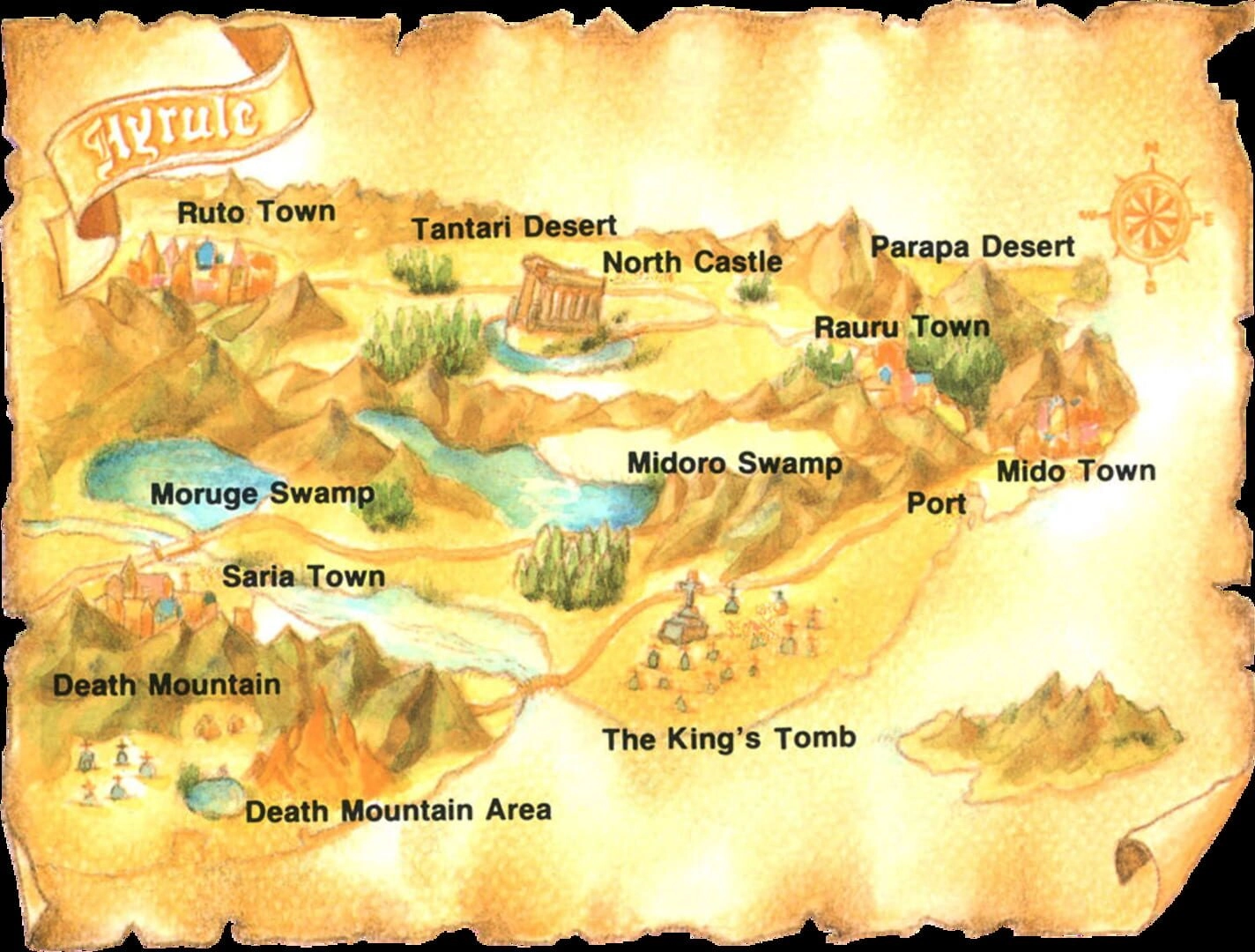
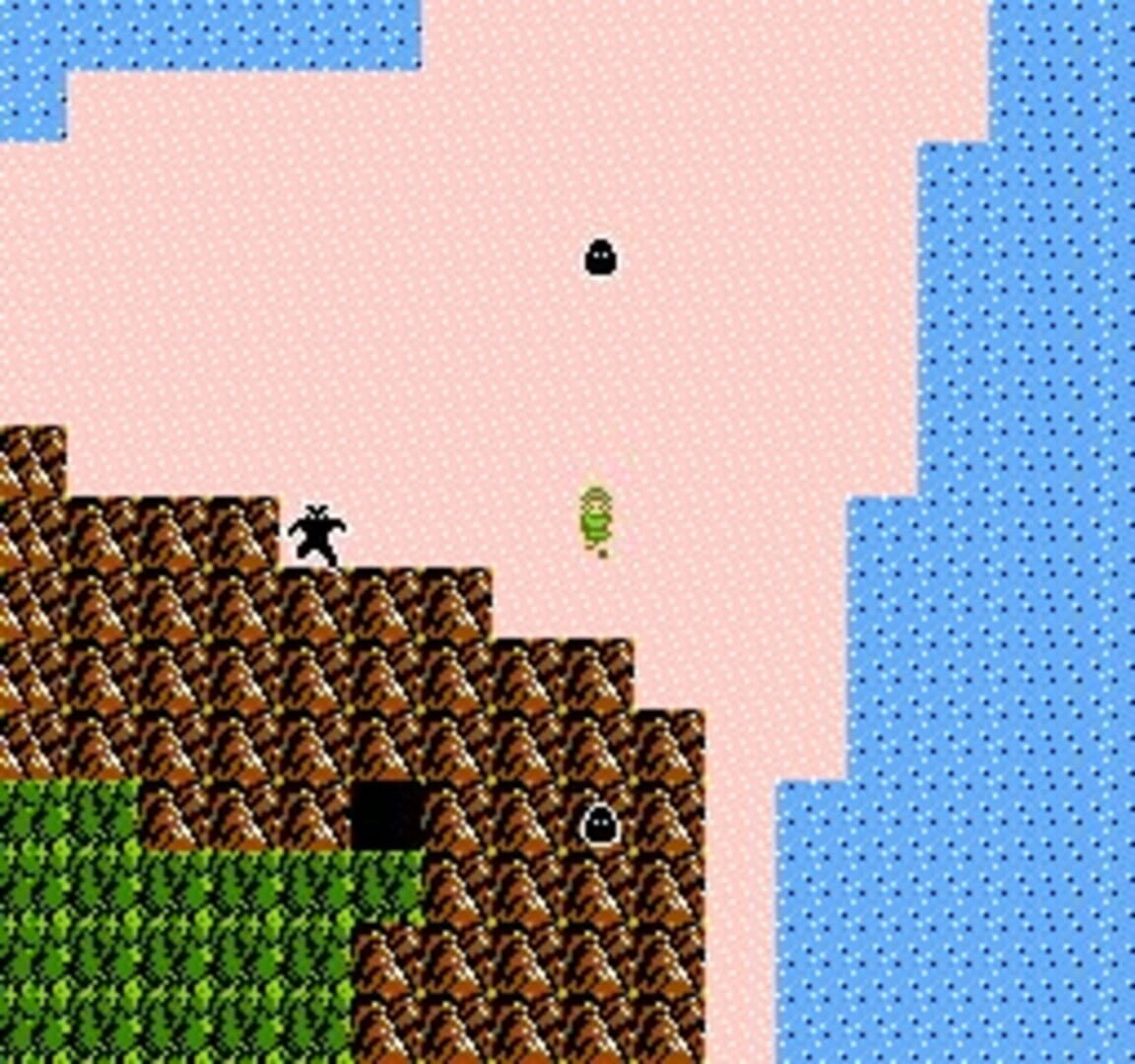
Moving around the world map in The Adventure of Link was another departure from the norm. Instead of the traditional top-down perspective, players now encountered enemies on a side-scrolling playfield. This change brought a more action-oriented feel to the game and added a sense of urgency in encounters with enemies. It required players to think on their feet and react quickly, making for a more dynamic and exciting experience.
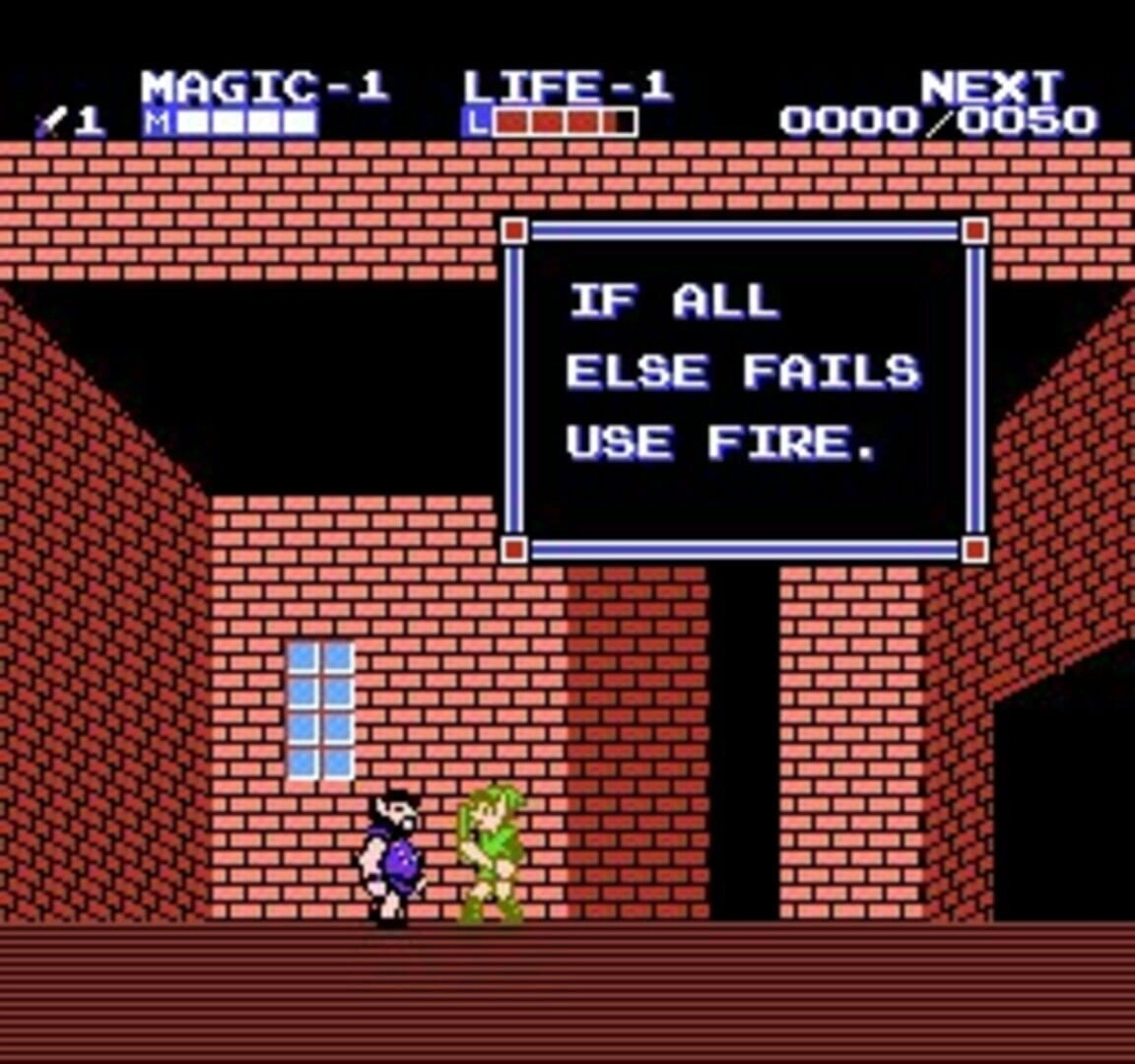
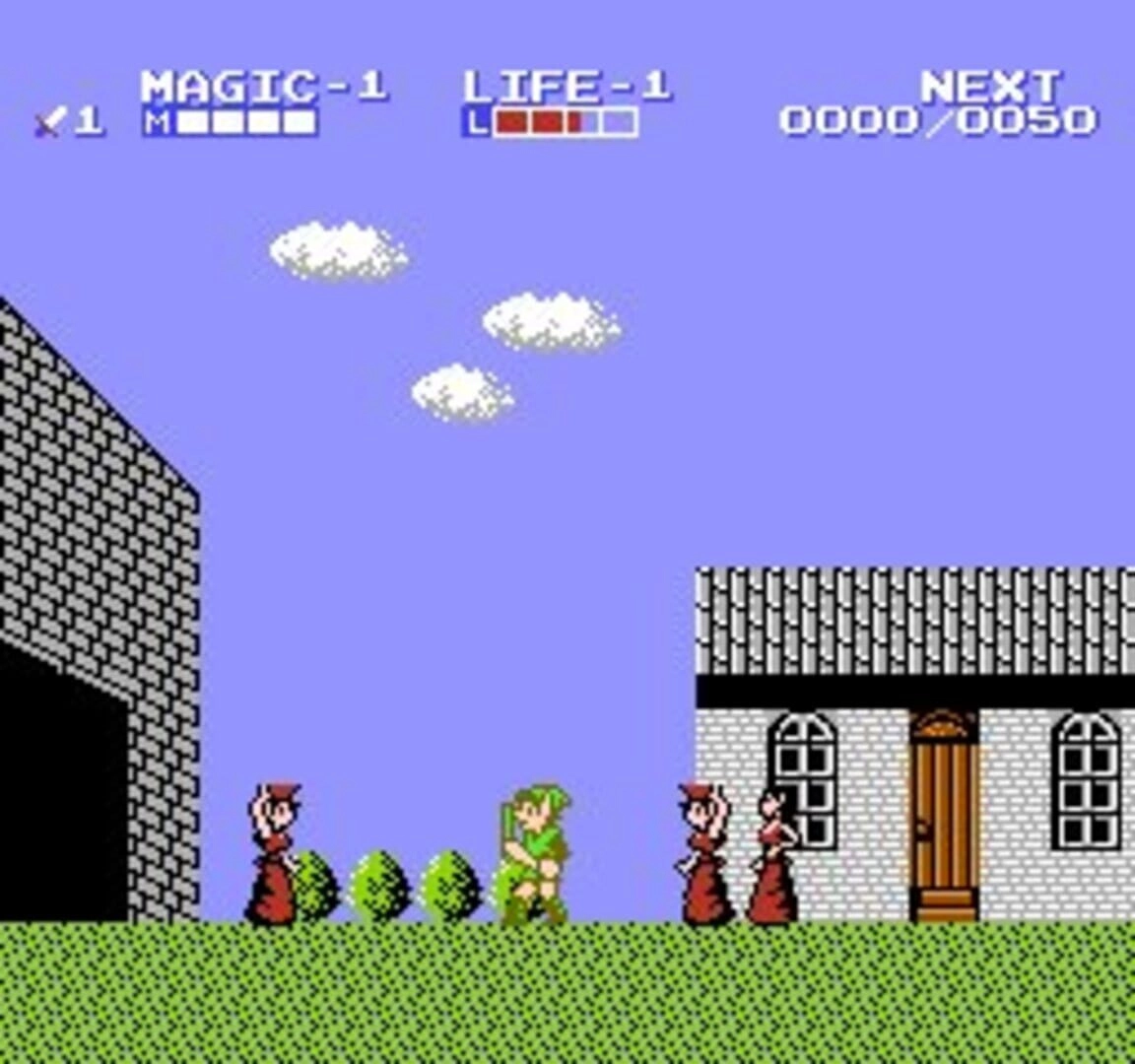
Another notable addition in Zelda II was the inclusion of towns and non-playable characters (NPCs). In these towns, players could interact with NPCs who would provide vital information and hints to aid them in their quest. This added a new layer of depth to the game's world-building and created a sense of community within the game.
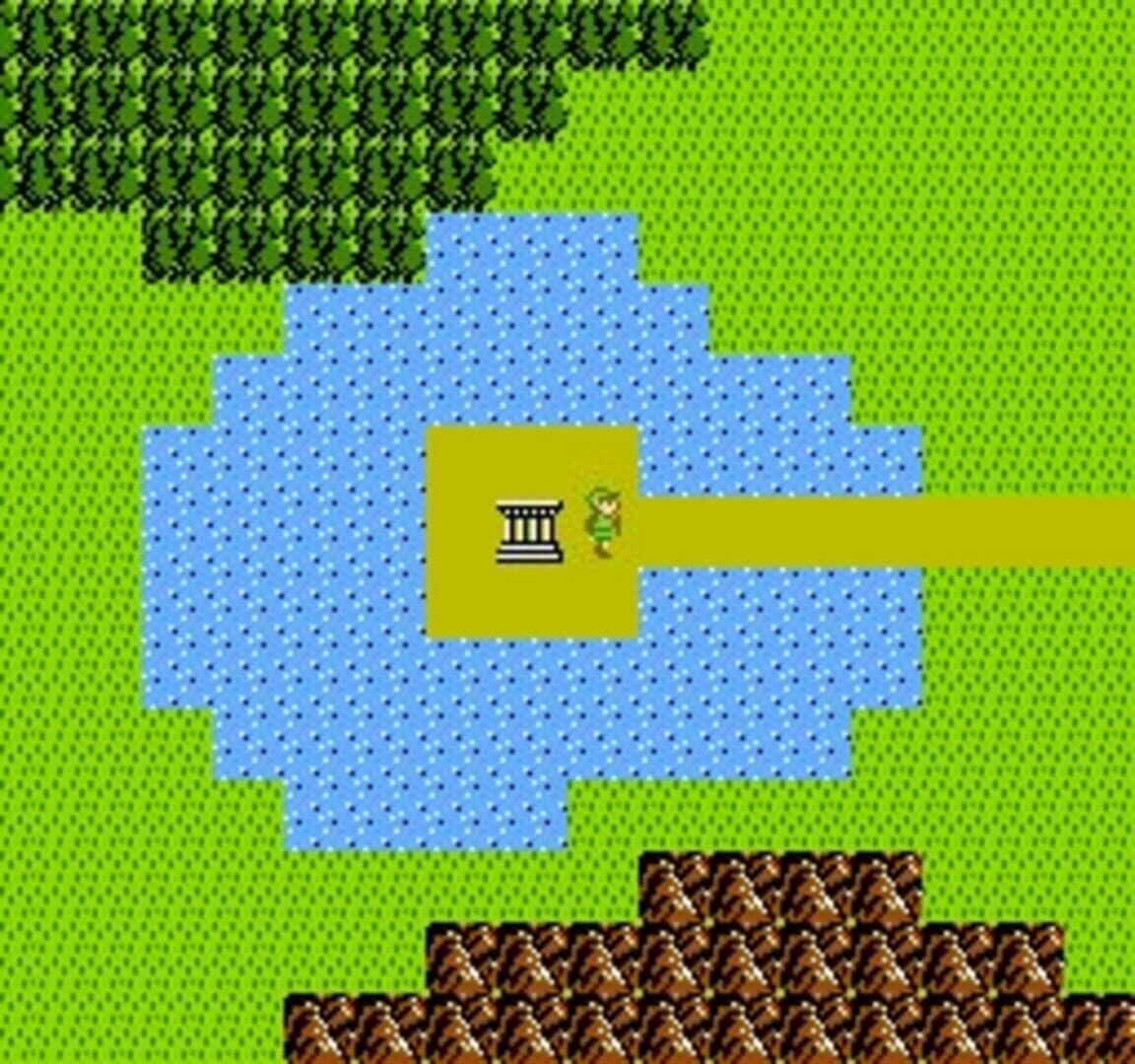
Despite the drastic changes in gameplay, The Adventure of Link still retained the sense of adventure and exploration that made the first game so popular. The vast overworld was filled with secrets and hidden treasures, encouraging players to thoroughly explore each area. From hidden caves to secret paths, there was always something new to discover, keeping players engaged and motivated to keep exploring.
While Zelda II: The Adventure of Link received mixed reviews upon its release, it remains a unique and important entry in the Legend of Zelda series. Its departure from the traditional formula shook up the gameplay and introduced innovative mechanics that were ahead of their time. The game took risks and tried something new, and for that, it deserves recognition.
In conclusion, Zelda II: The Adventure of Link stands out as a standout entry in the Legend of Zelda series. With its side-scrolling playfield, revamped combat, and inclusion of towns and NPCs, it challenged players to think differently and adapt to new gameplay mechanics. Whether you love it or hate it, there's no denying that this game brought something fresh and innovative to the table, and for that, it will always hold an important place in the hearts of Zelda fans.