Once upon a time, in a land devoid of modern technology, a tribe existed. This tribe had no access to power tools, machinery, or any modern conveniences we take for granted today. But they were not discouraged, for their minds were filled with creativity and resourcefulness. Join us on a journey as we explore how this tribe built their tools and created structures from scratch.
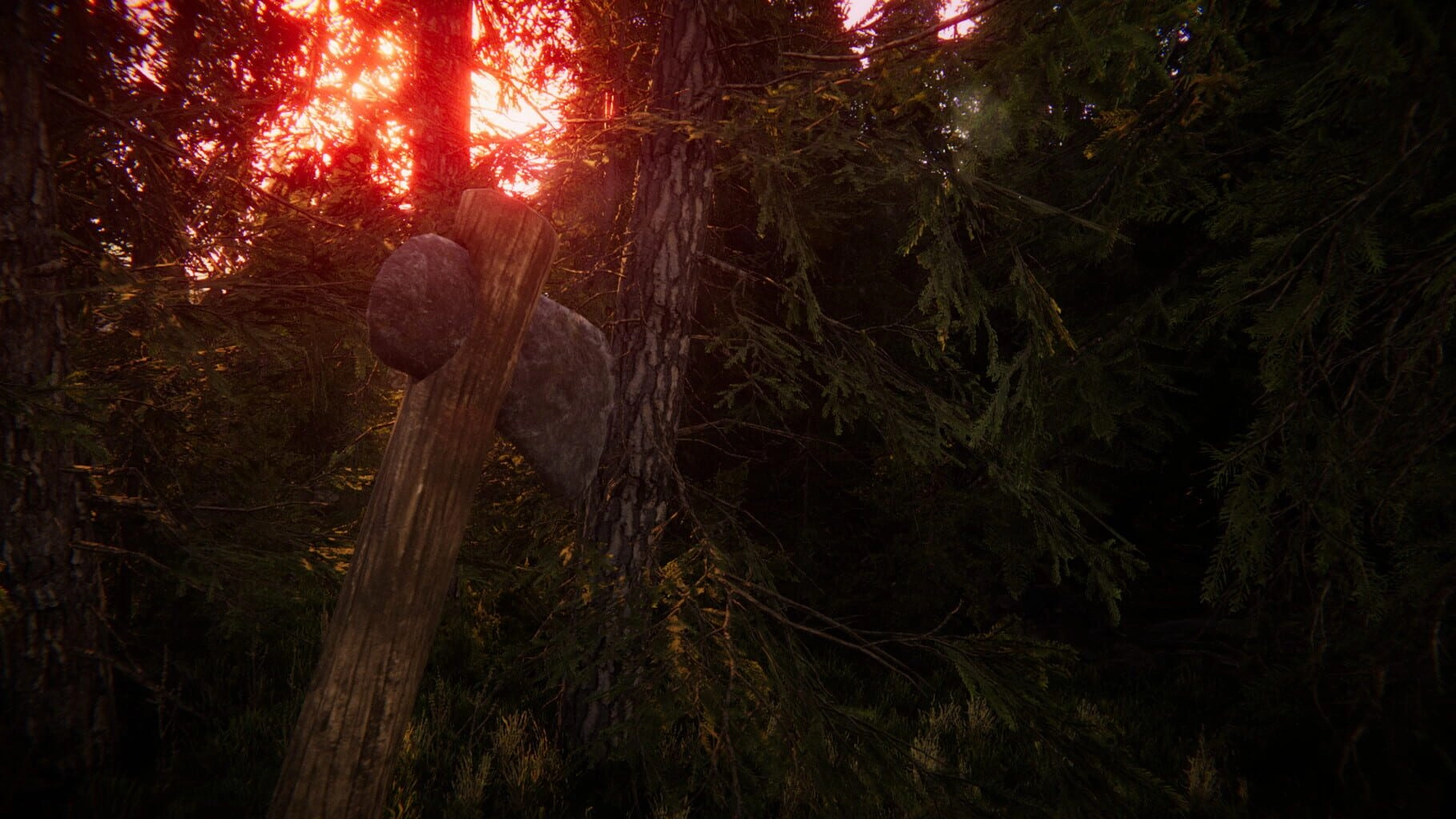
The tribe was made up of individuals who were highly skilled in using their surroundings to their advantage. They understood the properties of different materials and knew how to manipulate them. For example, one of the most essential tools they created was a stone axe. They carefully selected a suitable rock and used another stone as a makeshift hammer to shape it into a functional axe head. They then attached it to a wooden handle using vines and tree sap as adhesive.
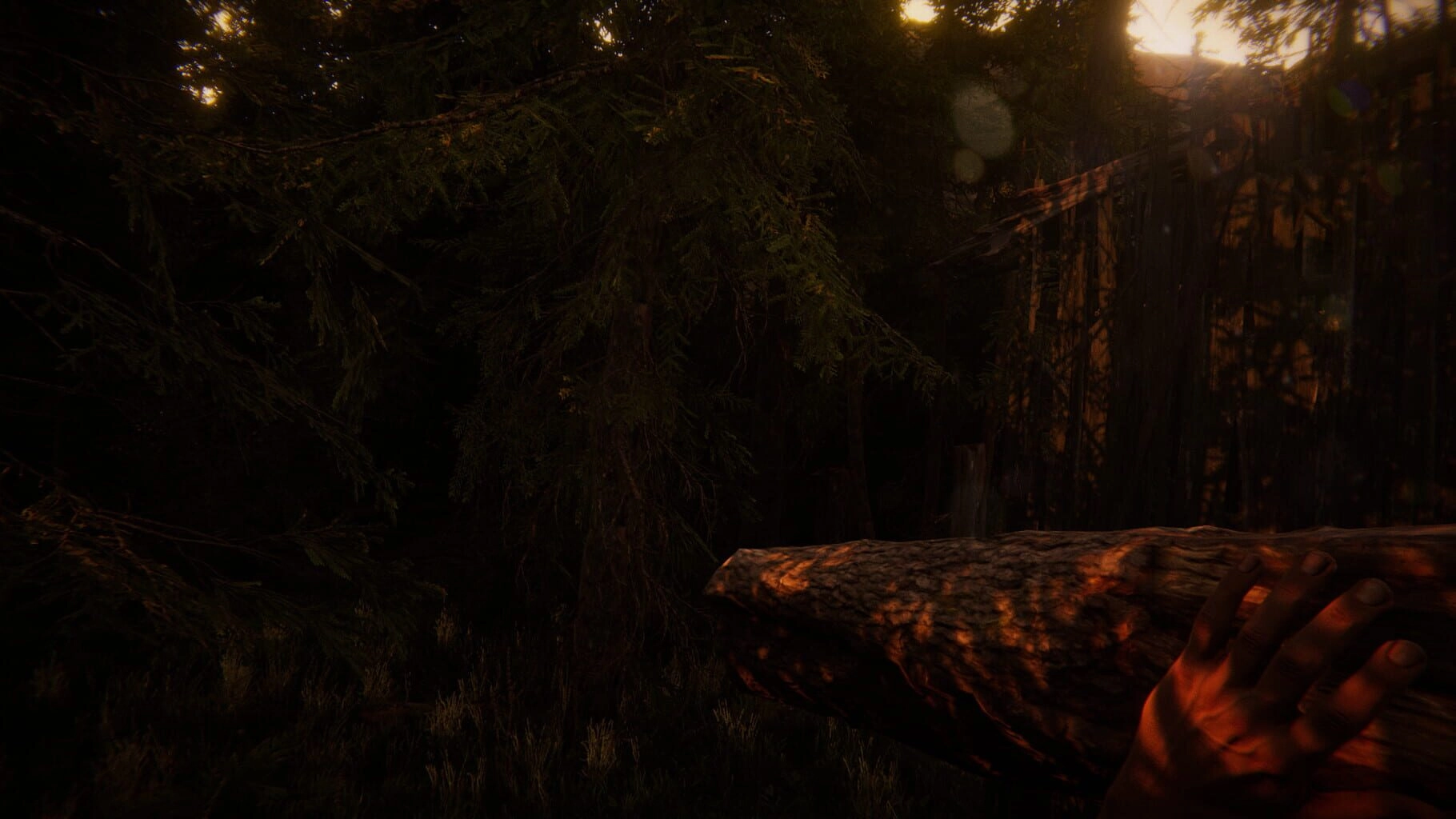
With their newly created stone axes, the tribe could now effectively chop down trees to use as building materials. But before they could construct anything substantial, they needed a method to transport these heavy logs. They ingeniously devised a simple sled made from branches and vines. By attaching the logs to the sled and using ropes as harnesses, they could easily drag them from one place to another.
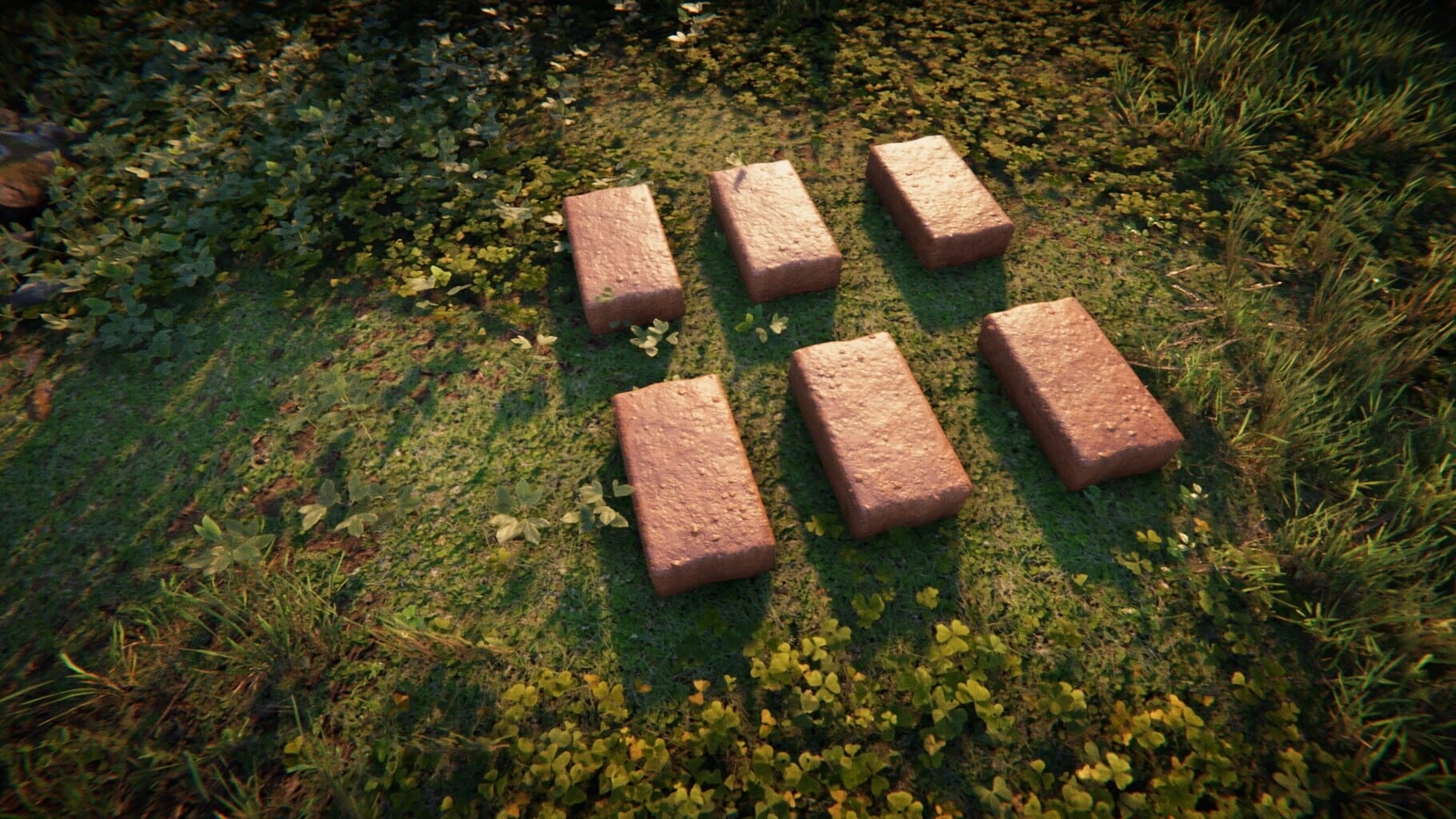
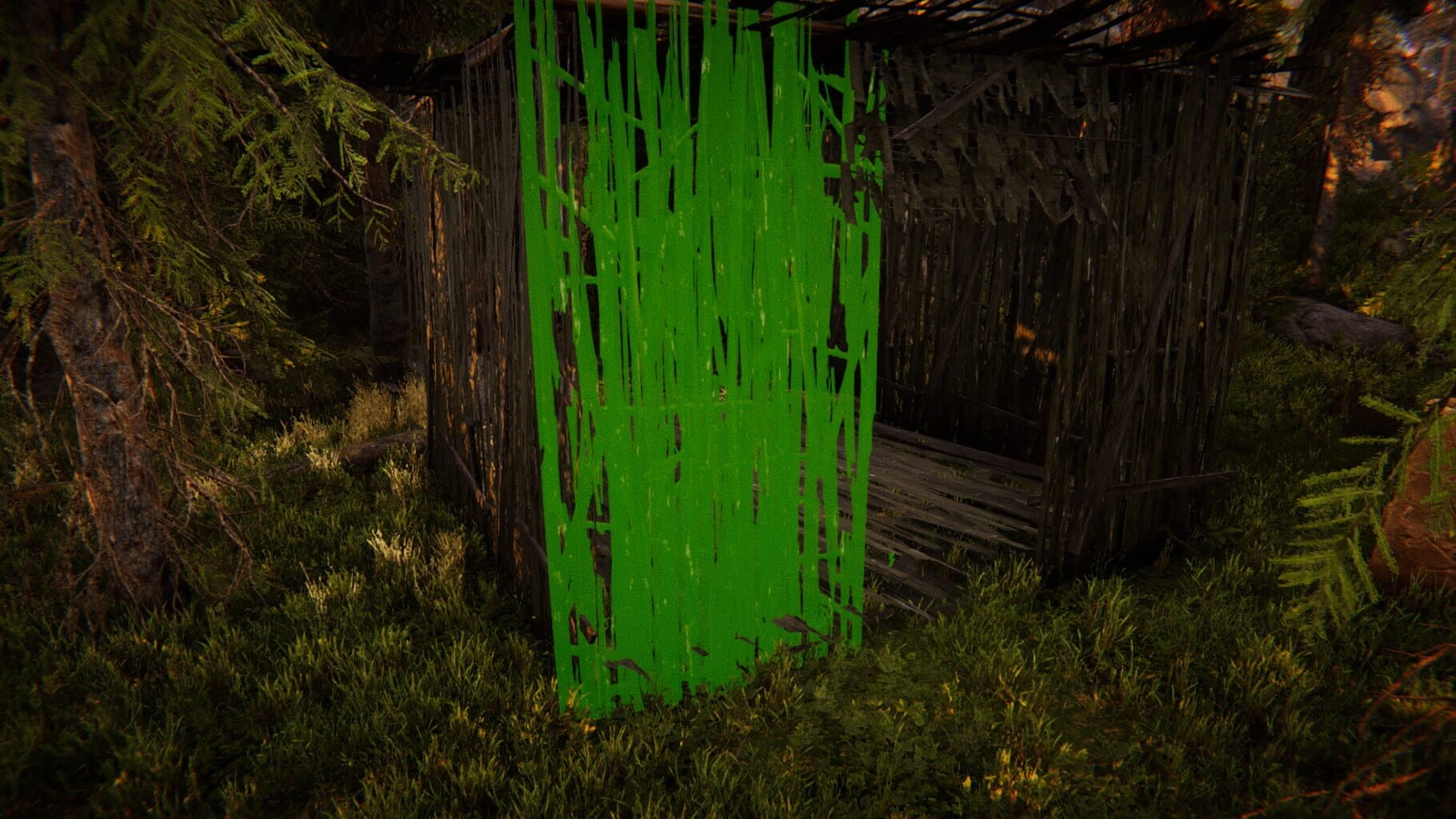
Now that they had their building materials ready, the tribe began constructing their first primitive shelter. Using the fallen trees and a combination of mud and leaves as mortar, they built a sturdy and weatherproof structure. It wasn't a mansion by any means, but it served its purpose well. They had successfully created a space to protect themselves from the elements.
Next on their list was the creation of tools for food gathering and preparation. The tribe needed a reliable way to dig up roots and harvest crops. They crafted digging sticks from sturdy branches, sharpening one end to make it easier to break through the soil. These sticks were incredibly useful for tilling the land and planting seeds. For hunting, they designed spears using spearheads made from sharpened bones or stones. They combined these with flexible sapling branches to create powerful weapons for capturing prey.
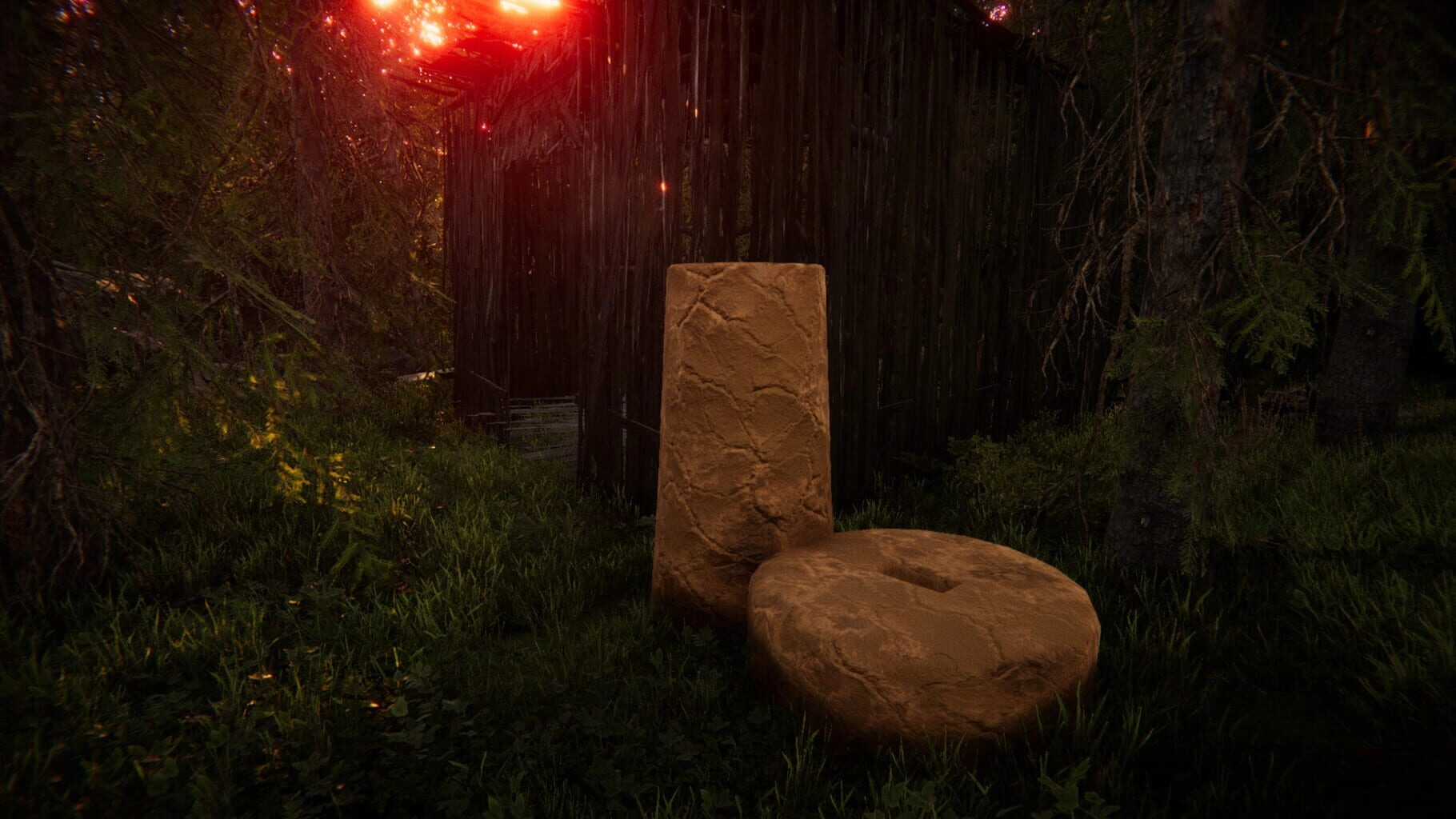
As the tribe thrived, their creativity expanded. They began to experiment with different materials and techniques. One particularly clever invention was a pottery kiln. They dug a hole in the ground, lined it with rocks, and placed firewood inside. By building a fire on top of the wood and allowing it to burn down, they created a makeshift kiln capable of firing pottery. With this newfound knowledge, the tribe could craft vessels for carrying water, cooking food, and storing various items.
The value of their primitive constructions went beyond mere survival. The tribe realized the importance of having communal spaces to gather and socialize. They built a large communal firepit, using stones arranged in a circle to contain the fire. This central gathering point became the heart of their community, where stories were shared, songs were sung, and bonds were strengthened.
Their constructions extended beyond practicality. The tribe also focused on aesthetics, finding beauty in their creations. They adorned their shelters with intricate patterns made from dyed fibers and painted symbols. By adding personal touches, they turned their primitive dwellings into unique works of art.
The story of this primitive tribe's resourcefulness and innovative spirit serves as a reminder of the human capacity to adapt and create under even the most challenging circumstances. Though lacking modern technology, they were able to thrive by harnessing their imagination and utilizing the resources at their disposal.
So next time you find yourself relying heavily on modern conveniences, take a moment to imagine what it would be like to build tools and constructions from scratch, just like this tribe did. You might be surprised at the ingenuity and creativity that can be unleashed when you embrace the primitive builder within you.
So go ahead, let your mind wander, and discover the endless possibilities that lie within your imagination.