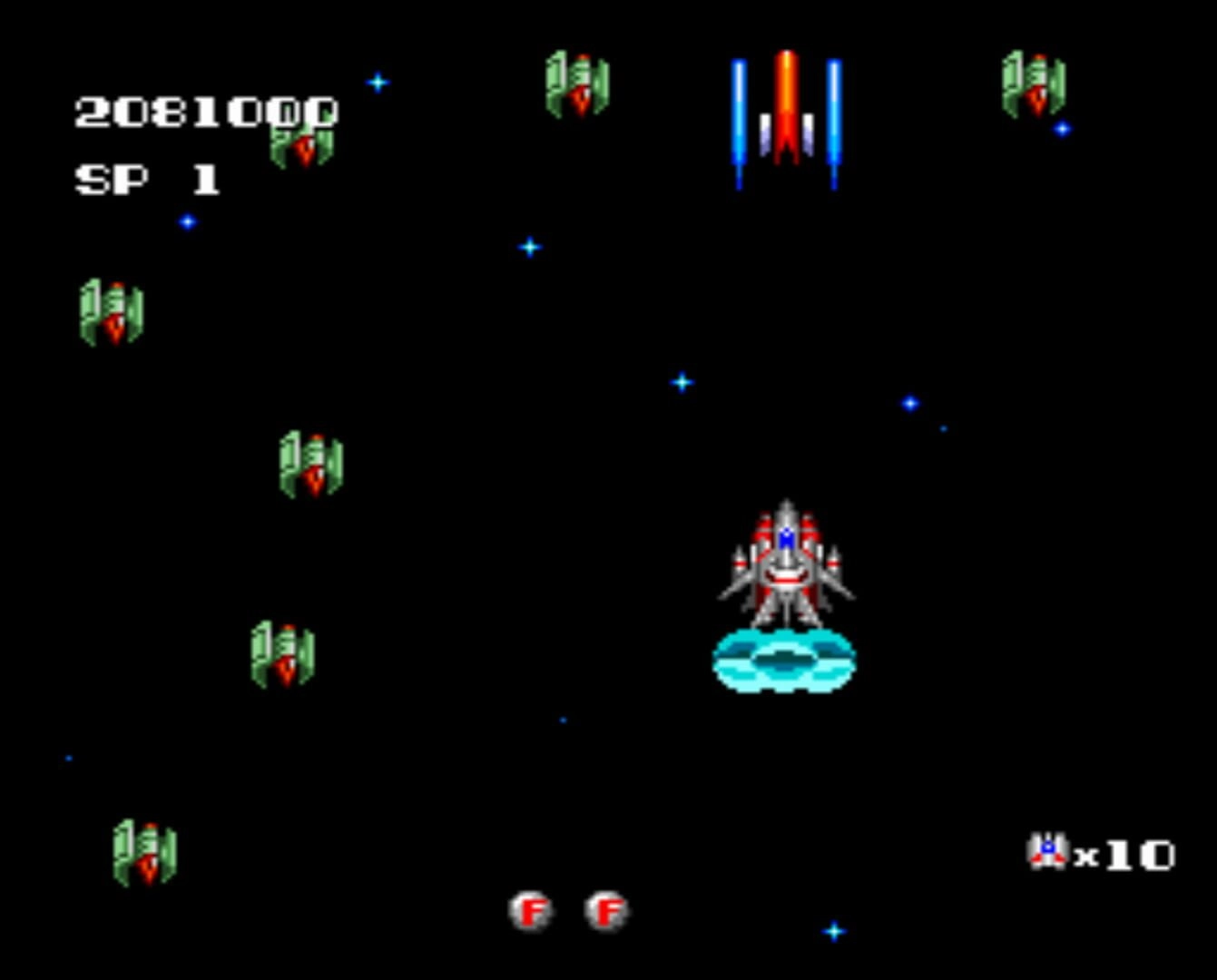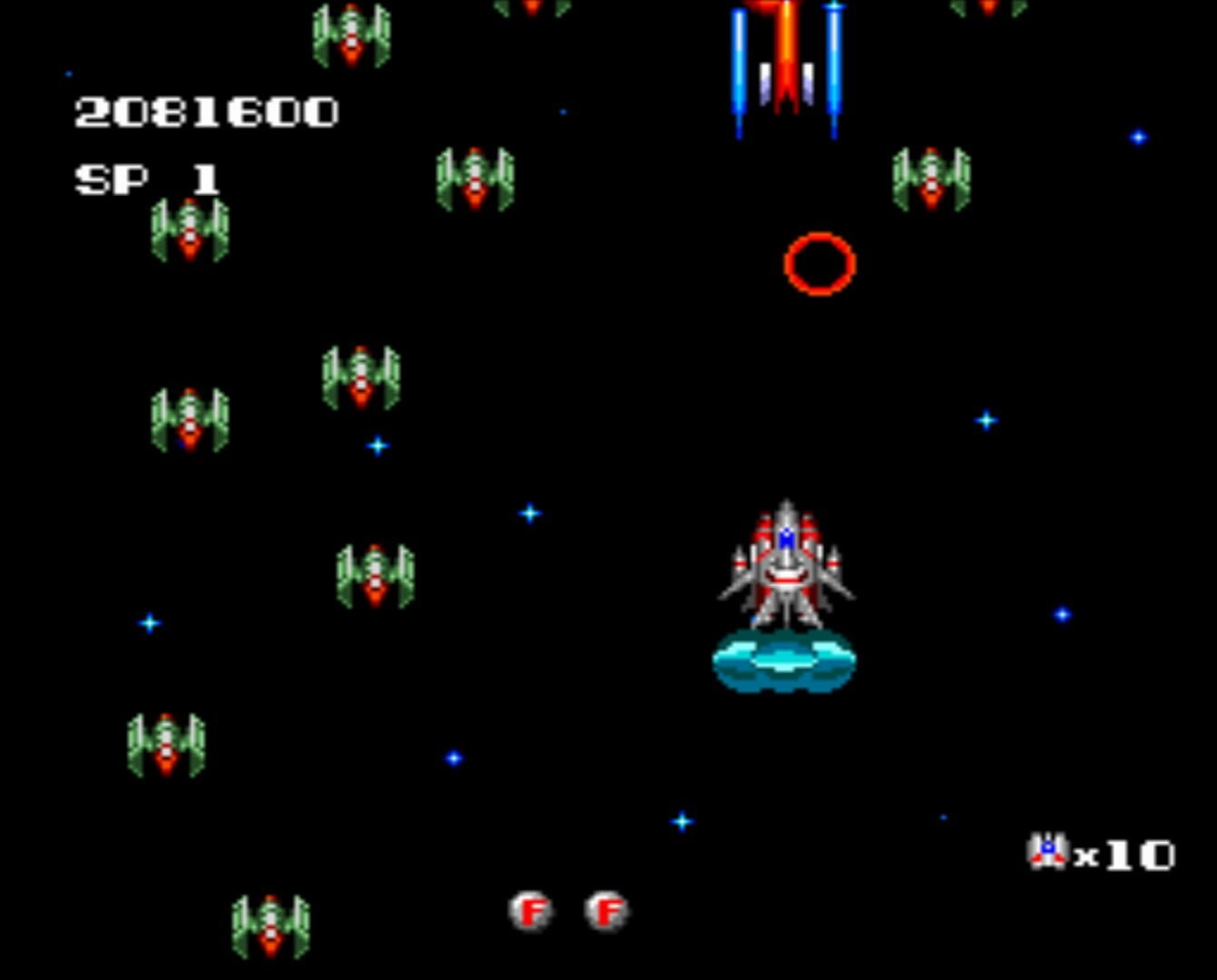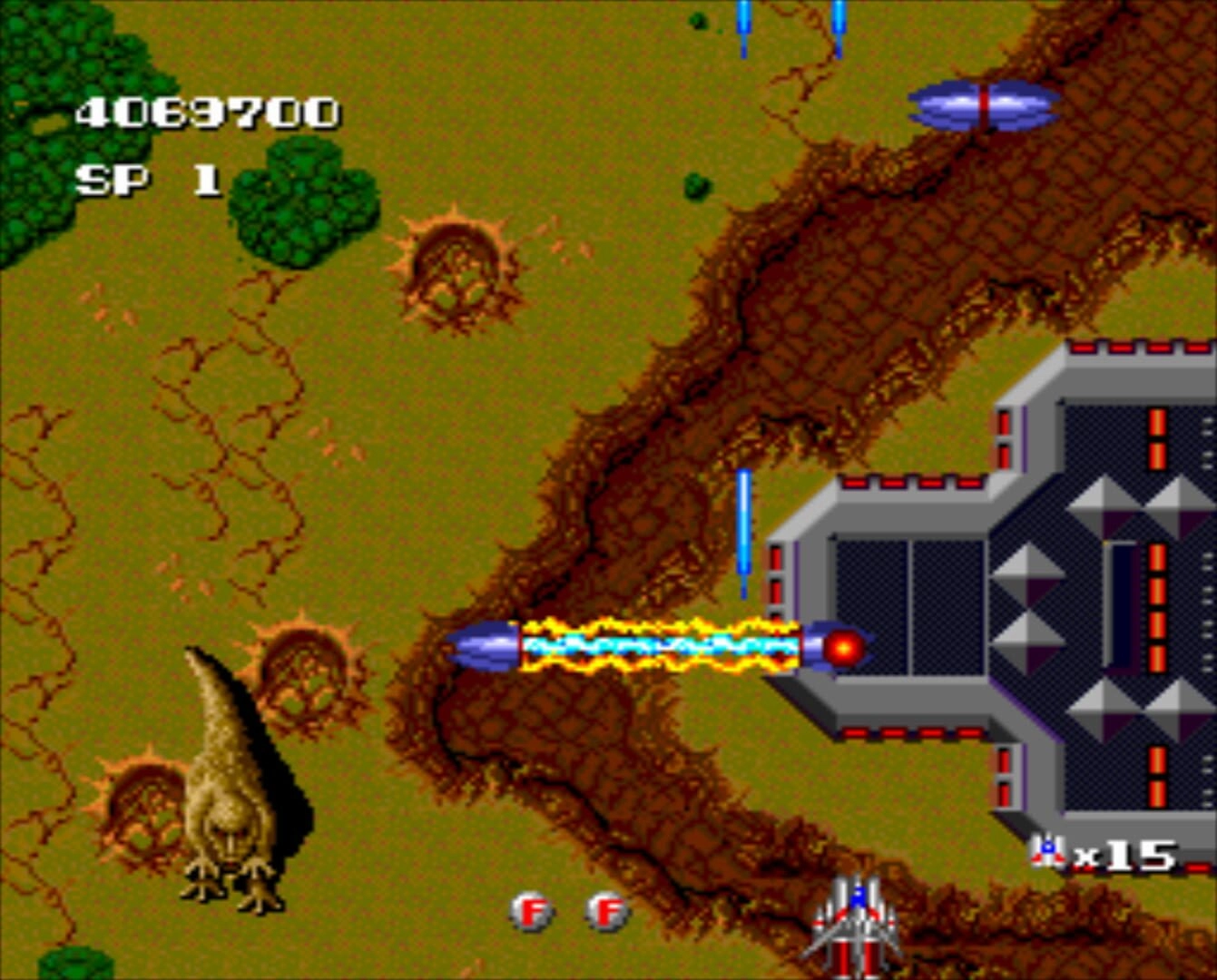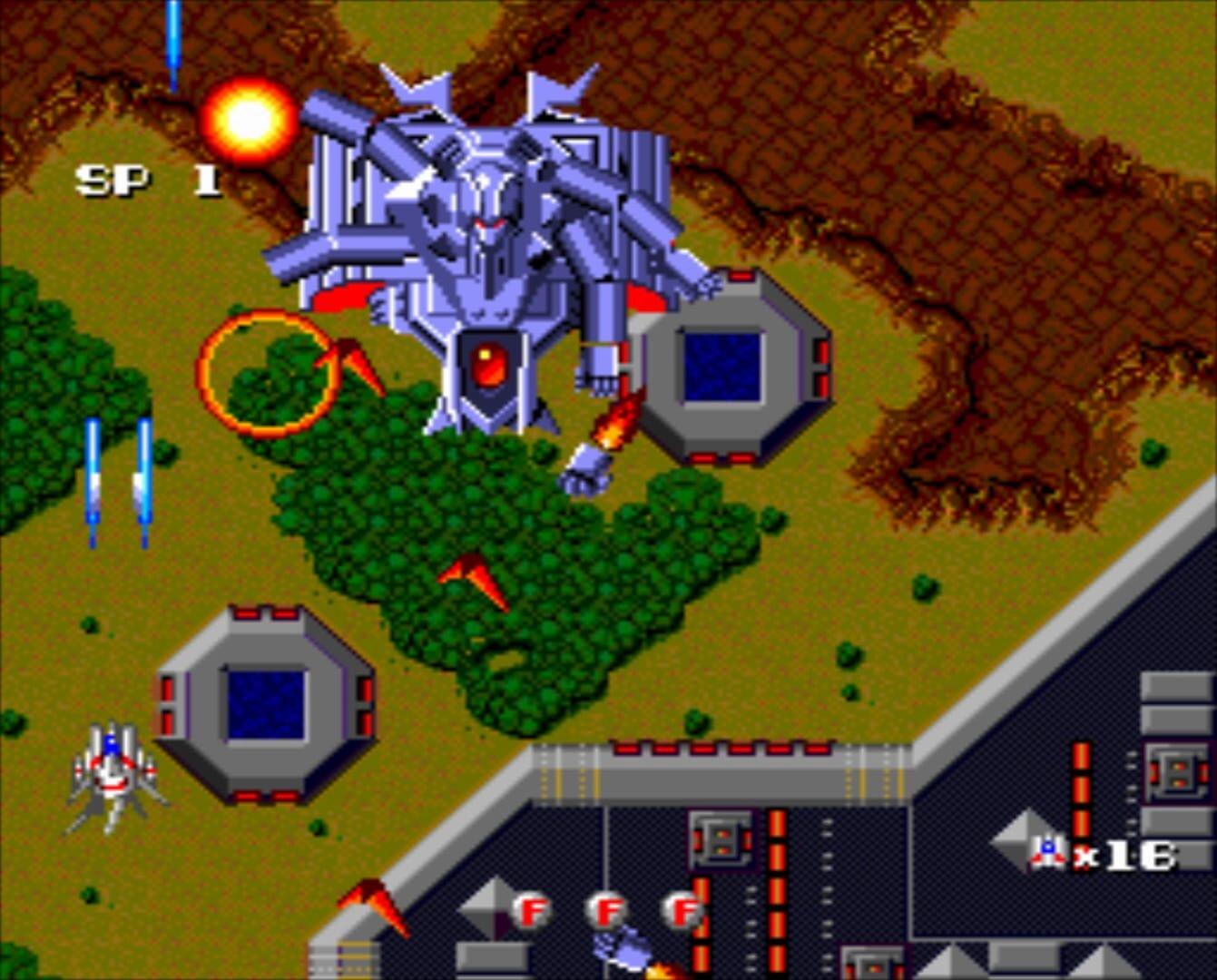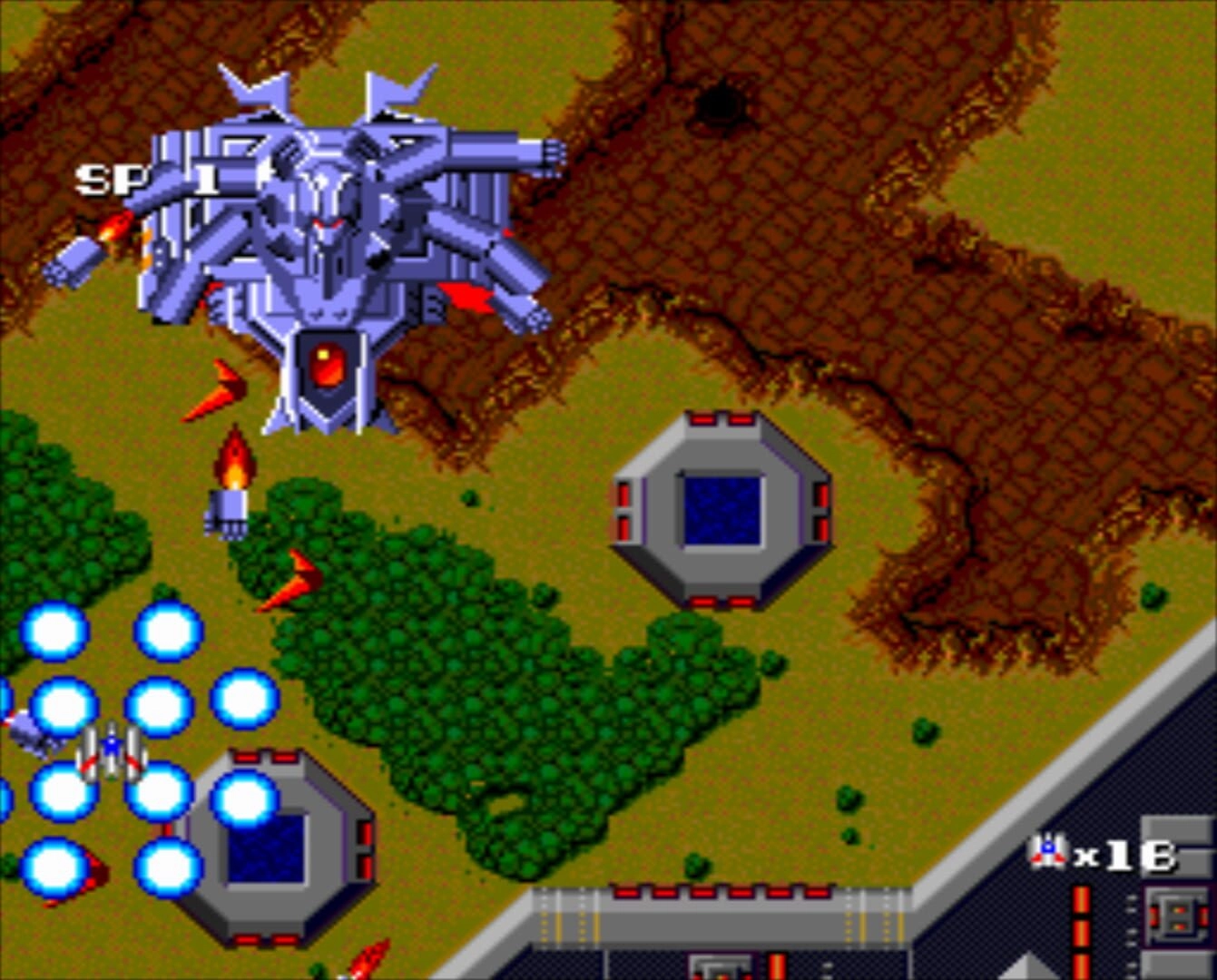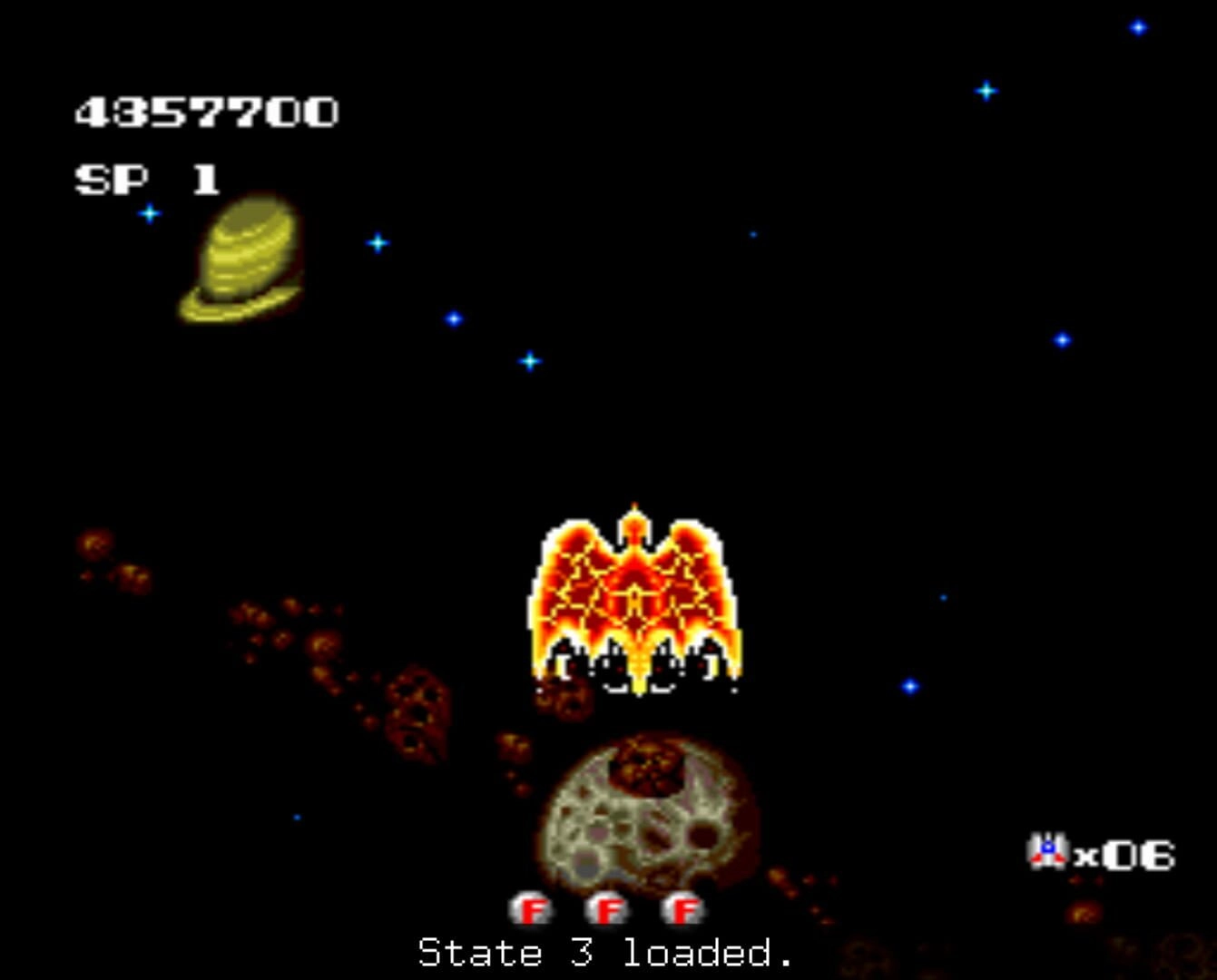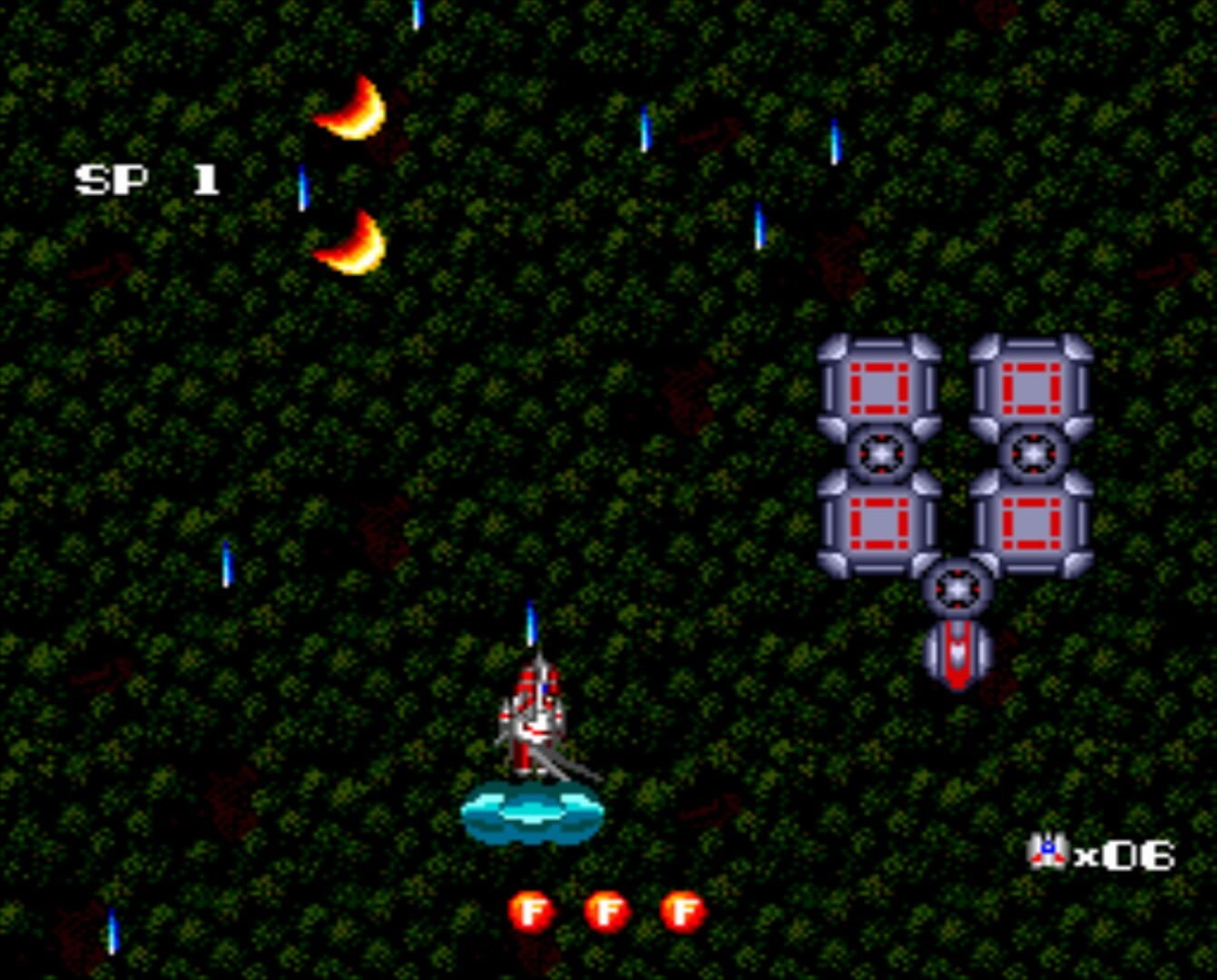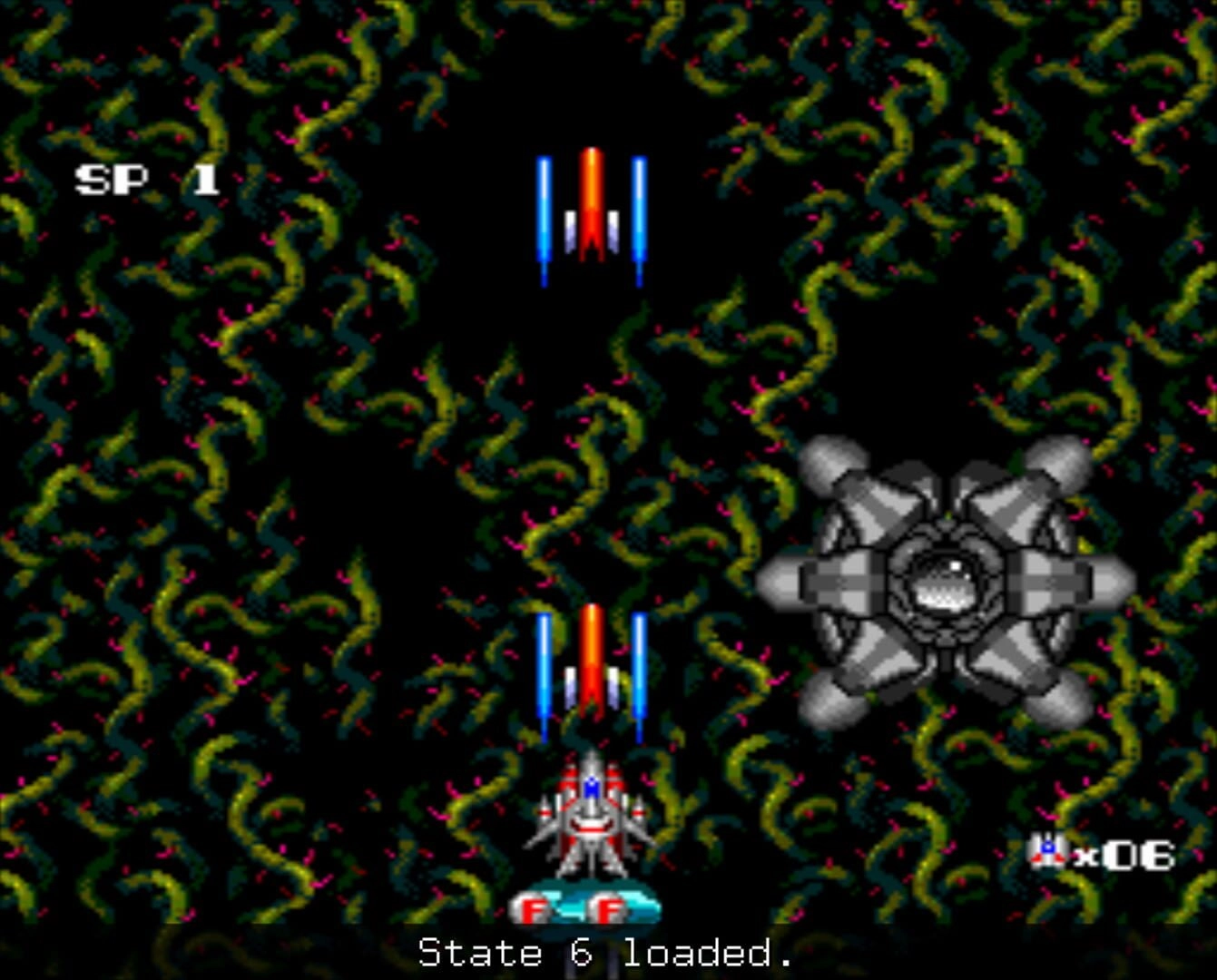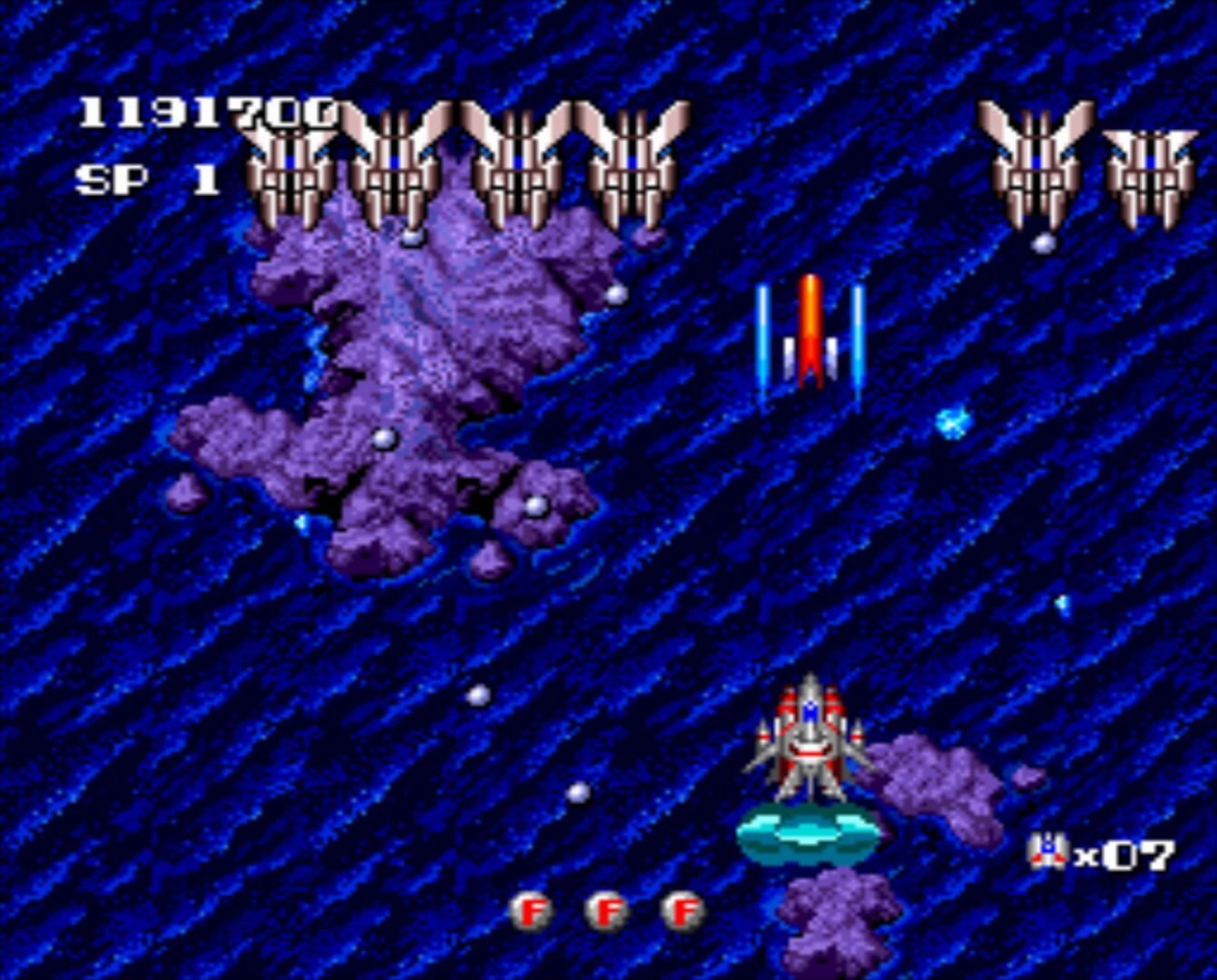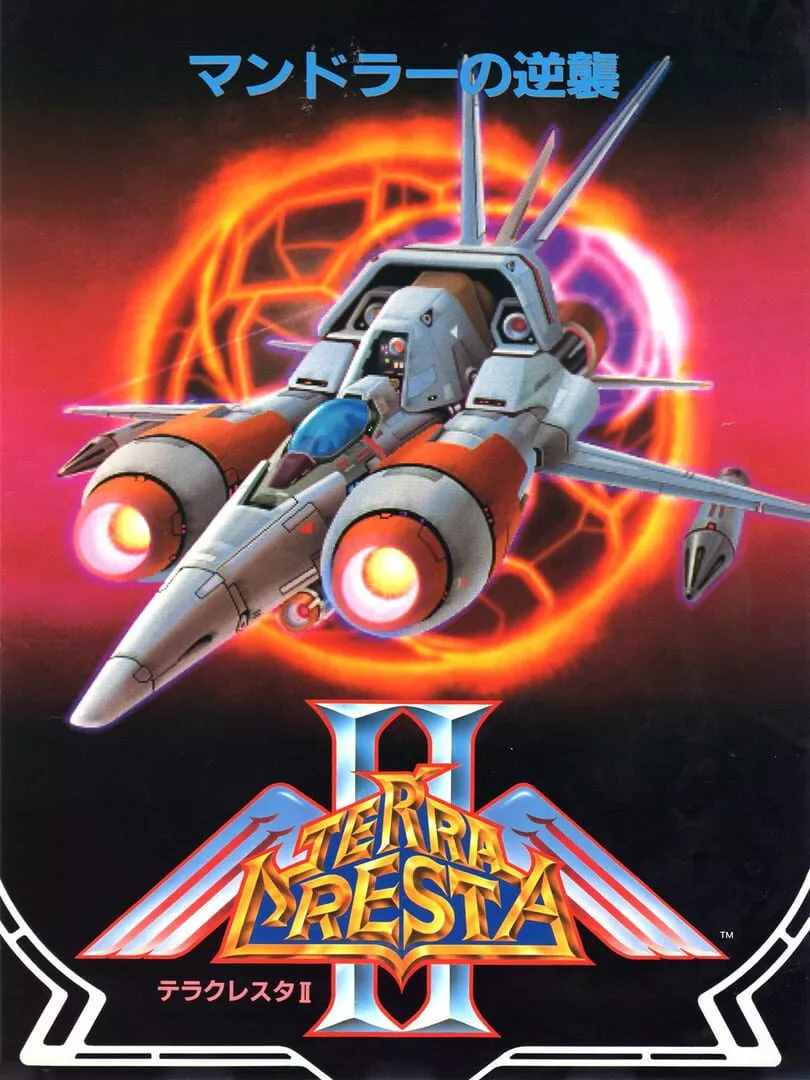
Terra Cresta II, also known as Terra Cresta II: Mandler no Gyakushuu, is a vertical-scrolling shoot 'em up game and the sequel to Nichibutsu's previous game, Terra Cresta. This game deviates from its predecessor by skipping the arcade platform and being released exclusively on the PC Engine, a popular console during its time.
One of the standout features of Terra Cresta II is the distinct power-up system it offers to players. Instead of simply acquiring power-ups, players have the ability to obtain additional modules for their spaceship. These modules can be configured in two different ways, allowing for customization and strategic gameplay.
In one configuration, the modules are connected directly to the ship, boosting its firepower. This setup will enhance the main ship's ability to release a barrage of bullets, increasing its chances of obliterating the enemy. Players who prefer a more concentrated and devastating attack can opt for this configuration.
In the second configuration, the modules are separate from the central ship, expanding the coverage and firepower reach. By positioning them strategically around the main ship, players can maximize their range and hit enemies from various angles. This setup provides a wider area of attack but might sacrifice some concentrated firepower.
Before embarking on a mission, players are given the opportunity to choose the firing direction of their ship modules and decide on the positions they will take around the central ship when separated. This aspect of customization adds depth to the gameplay experience, allowing players to fine-tune their firepower and coverage to suit their playstyle and the challenges they face.
The ability to adapt the ship's modules to different situations is a key mechanic in Terra Cresta II. Players can experiment with various configurations and discover which arrangement best suits their preferred playstyle or the specific level they are tackling. This flexibility provides a sense of control and strategy, allowing players to approach each stage with their own unique approach.
Furthermore, the power-up system in Terra Cresta II adds an element of progression and replayability. As players advance through the game, they can collect additional modules, further expanding the customization options. This encourages players to revisit previous stages, seeking out hidden power-ups or new challenges that can only be overcome with certain configurations.
Visually, Terra Cresta II showcases detailed and vibrant graphics that are characteristic of NES games from that era. The backgrounds are diverse, featuring a variety of futuristic landscapes and space-themed scenarios. The enemy designs are imaginative and varied as well, providing engaging and visually striking encounters throughout the game.
The music in Terra Cresta II is also worth mentioning, as it complements the fast-paced action and adds to the overall atmosphere of the game. The soundtrack features catchy tunes that enhance the intensity of the gameplay and add an immersive layer to the experience.
In conclusion, Terra Cresta II: Mandler no Gyakushuu is a captivating vertical-scrolling shoot 'em up game for the NES console. With its unique power-up system that allows players to customize their spaceship's firepower and coverage, Terra Cresta II offers a level of depth and strategy rarely seen in other games of its kind. Whether players prefer to concentrate their firepower or expand their coverage, the ability to fine-tune the ship's modules adds a satisfying layer of control and personalization to the gameplay.