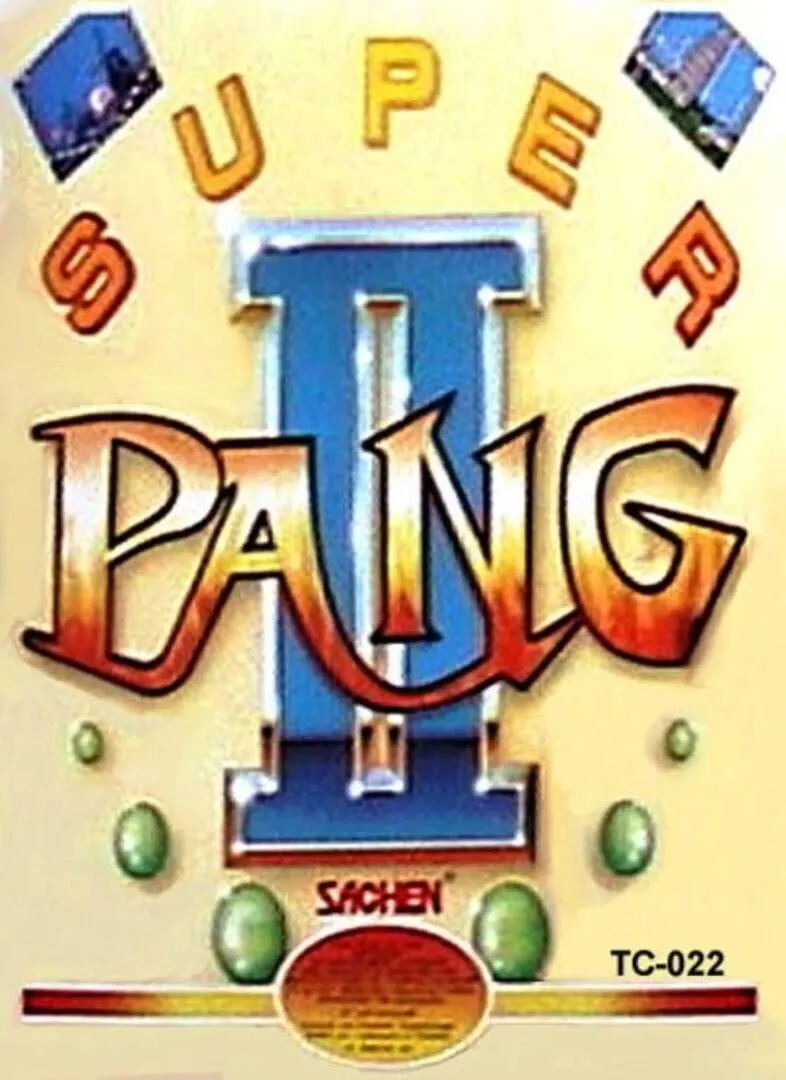
Super Pang, also known as Super Buster Bros., was a popular arcade game released in 1990. Developed by Mitchell Corporation, the game featured two characters armed with harpoons, who had to burst bouncing bubbles to clear each stage. The simplicity and addictive gameplay made Super Pang a hit among arcade enthusiasts.
Given its success, a sequel was inevitable. In 1995, Super Pang IIE was released exclusively for the Famicom console in Asian regions. While this sequel never made its way to the international market, it still holds a special place among gaming enthusiasts for its unique features and gameplay.
Super Pang IIE maintained the core gameplay mechanics of its predecessor. Players controlled either the character Tobe or Bude as they traversed various levels filled with bouncing bubbles. The objective remained the same: burst all bubbles without getting hit. However, the game introduced new elements that added depth to the gameplay.
One notable addition in Super Pang IIE was the introduction of power-ups. Players could collect different items that enhanced their abilities. These power-ups included faster movement speed, increased shot range, and even temporary invincibility. The variety of power-ups added a layer of strategy, as players had to decide which items to collect while avoiding getting overwhelmed by the bubbles.
Another new feature in Super Pang IIE was the introduction of different stage types. In addition to the standard stages with various formations of bubbles, the game included special stages that presented unique challenges. These stages featured obstacles such as moving platforms or narrow pathways, requiring players to adapt their strategy and timing to successfully clear them.
The visuals in Super Pang IIE were a step up from its predecessor. The Famicom limitations aside, the game managed to impress with its colorful sprites and vibrant backgrounds. Each stage had its own distinct theme, ranging from serene landscapes to futuristic settings. The attention to detail in the visuals added to the overall charm of the game.
Super Pang IIE also featured a cooperative multiplayer mode, allowing for two players to tackle the bubble-bursting action together. This feature further enhanced the game's replayability, as friends could team up and face the challenges together. The cooperative mode brought out the competitive spirit, as players aimed for high scores while working together to clear each stage.
Despite its positive reception among those who had the opportunity to play it, Super Pang IIE remains relatively unknown in the international gaming community. The exclusive release in Asian regions limited its exposure, with the game lacking an official localization for other markets. Its rarity has turned it into a sought-after collector's item, with enthusiasts looking for ways to experience this unique sequel.
In conclusion, Super Pang IIE stands as a testament to the enduring popularity of the original Super Pang game. While limited to Asian regions and released exclusively for the Famicom console, the sequel introduced new elements that expanded upon the addictive gameplay of its predecessor. With unique power-ups, diverse stage types, and cooperative multiplayer, Super Pang IIE provided an engaging and challenging experience.
