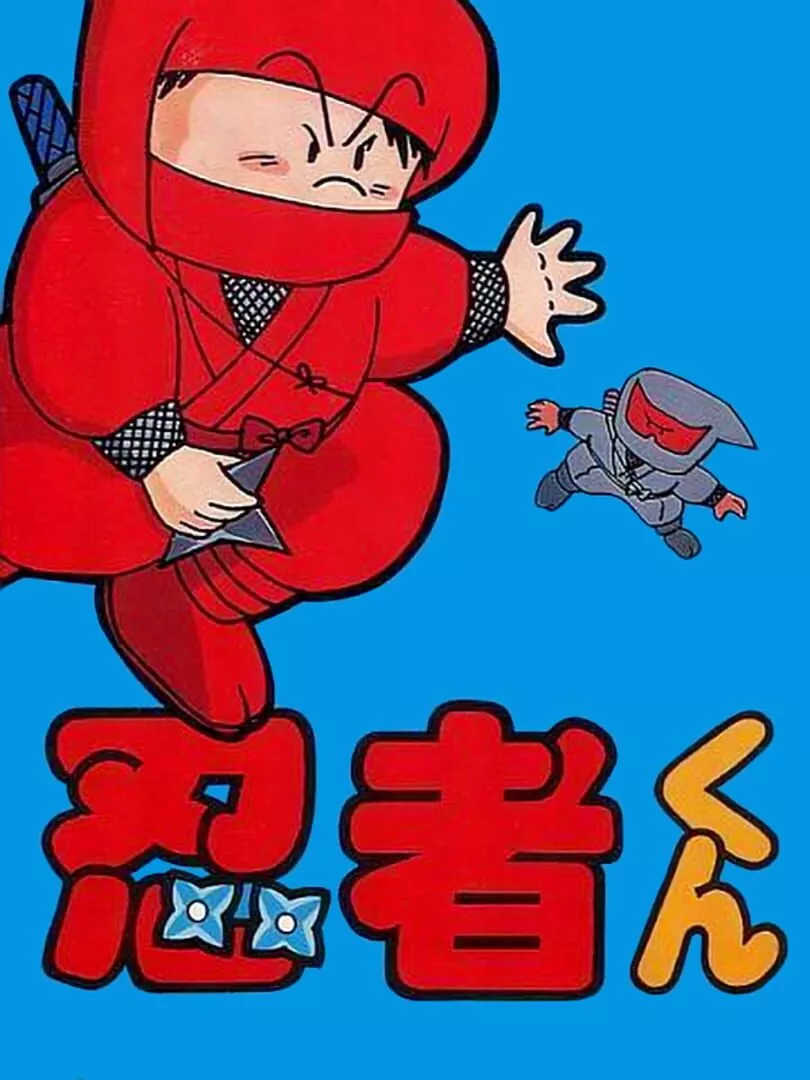
Ninja-Kid, also known as "Ninja-kun: Majō no Bōken," is a captivating action platformer game that was initially released for the Nintendo Entertainment System (NES). Developed by UPL and first introduced to arcades in 1984, the game became an instant hit for its engaging gameplay and challenging levels. It is widely recognized as the very first installment of the acclaimed Ninja-kun series.
In Ninja-Kid, players take on the role of the eponymous protagonist, Ninja-Kid, as he embarks on an epic adventure to rescue Princess Sakura from the clutches of an evil sorcerer. Armed with his trusty sword and swift acrobatic abilities, Ninja-Kid must traverse various stages filled with enemies, obstacles, and treacherous traps.
The gameplay in Ninja-Kid is a combination of action and platforming elements. Players must navigate through each level, battling enemies along the way using Ninja-Kid's sword. The game features a wide variety of adversaries, including evil ninjas, samurais, and mythical creatures, each with their own unique attack patterns and abilities.
To aid players in their quest, Ninja-Kid can collect power-ups and special items. These power-ups can enhance Ninja-Kid's abilities, allowing him to perform devastating attacks or gain temporary invincibility. Additionally, there are hidden items and secret passages that players can discover, adding an element of exploration to the gameplay.
One of the standout features of Ninja-Kid is its level design. Each stage presents a new set of challenges, with diverse environments ranging from ancient temples to lush forests and treacherous mountains. The platforming segments require precise timing and careful maneuvering to overcome obstacles such as moving platforms, spikes, and bottomless pits. The game's difficulty gradually ramps up as players progress further, ensuring a satisfying and rewarding experience.
Ninja-Kid's graphics and sound design are also noteworthy for their time. The game features vibrant and detailed pixel art, bringing the colorful world of Ninja-Kid to life. The character sprites are well-animated, showcasing Ninja-Kid's agile movements and swordplay. The soundtrack is equally impressive, with catchy tunes that complement the action-packed gameplay.
As Ninja-Kid gained popularity in arcades, it was later ported to the NES in 1986, allowing console players to enjoy the thrilling adventure at home. The NES version retains the same addictive gameplay and level design, ensuring a seamless transition for fans of the arcade original. While the graphics and sound had to be slightly scaled down to accommodate the NES hardware, the essence of the game remains intact.
The success of Ninja-Kid paved the way for the Ninja-kun series, which saw several sequels and spin-offs across various platforms. Each subsequent installment built upon the foundations laid by Ninja-Kid, introducing new gameplay mechanics, improved graphics, and expanded narratives. The series continues to be beloved by retro gaming enthusiasts and has left a lasting impact on the platforming genre.
In conclusion, Ninja-Kid is a classic NES game and arcade platformer that captivated players with its engaging gameplay, challenging levels, and memorable protagonist. Whether played in arcades or on the NES, the game's action-packed adventure, precise platforming, and vibrant visuals ensured an unforgettable gaming experience.
