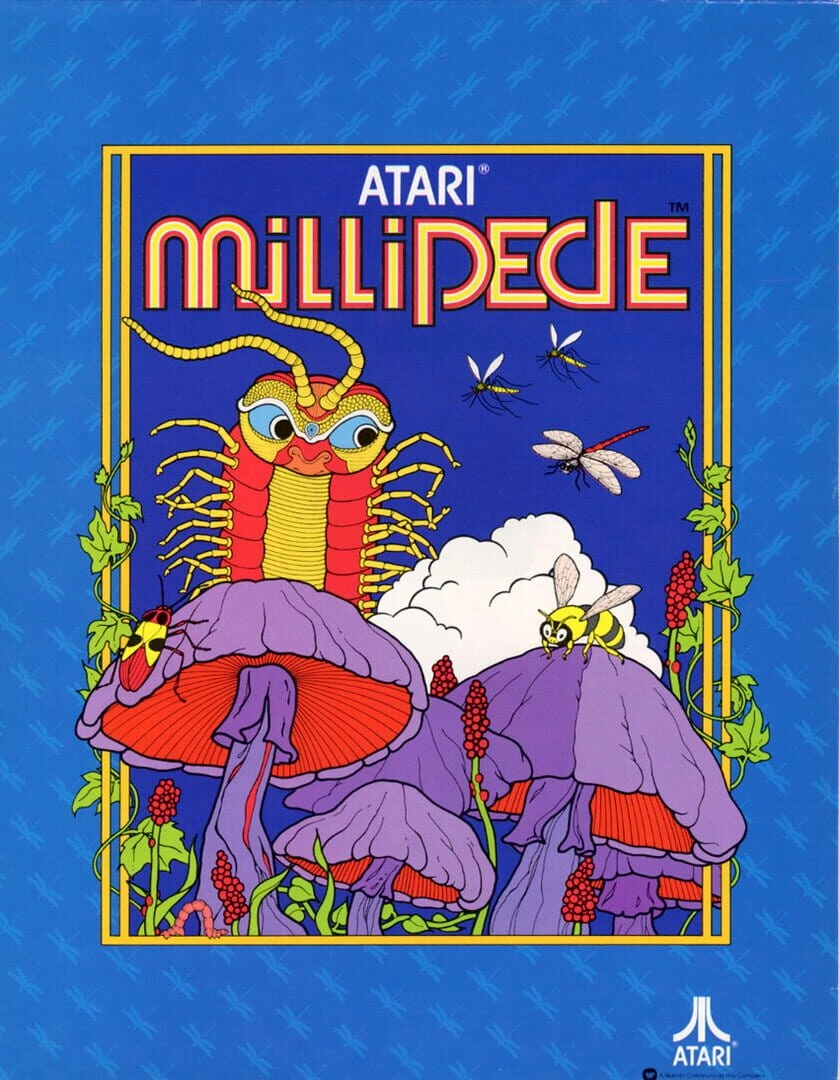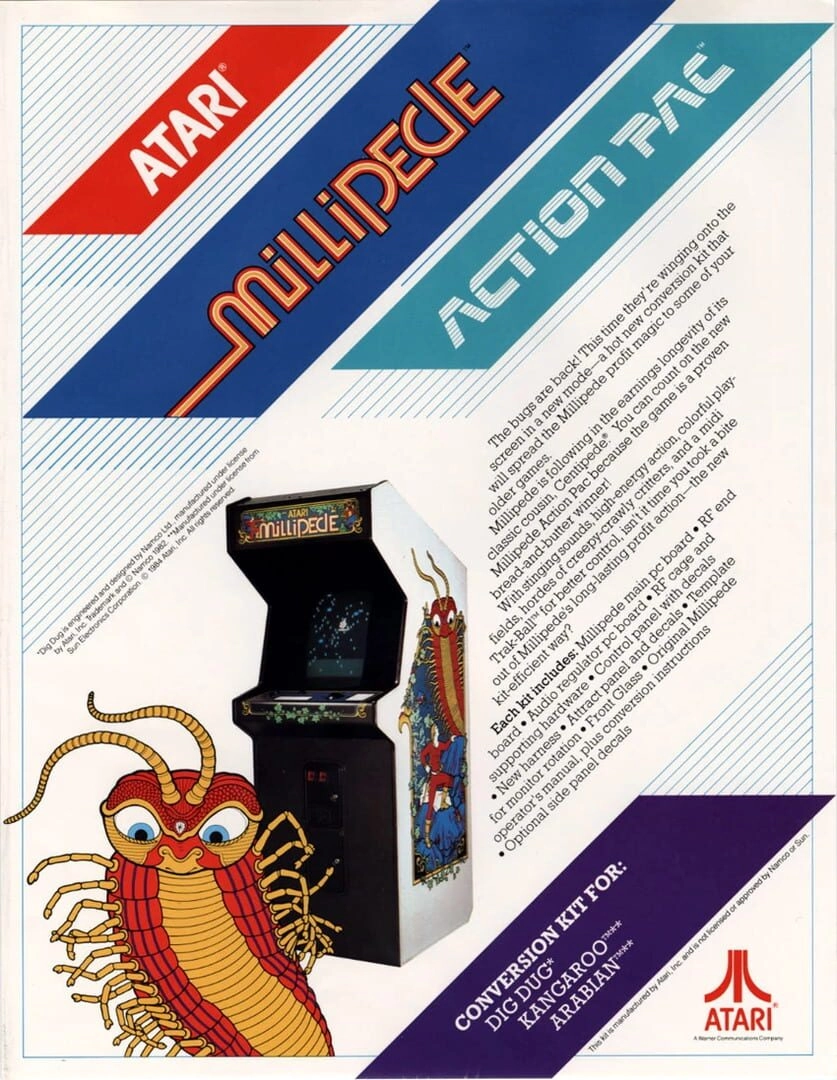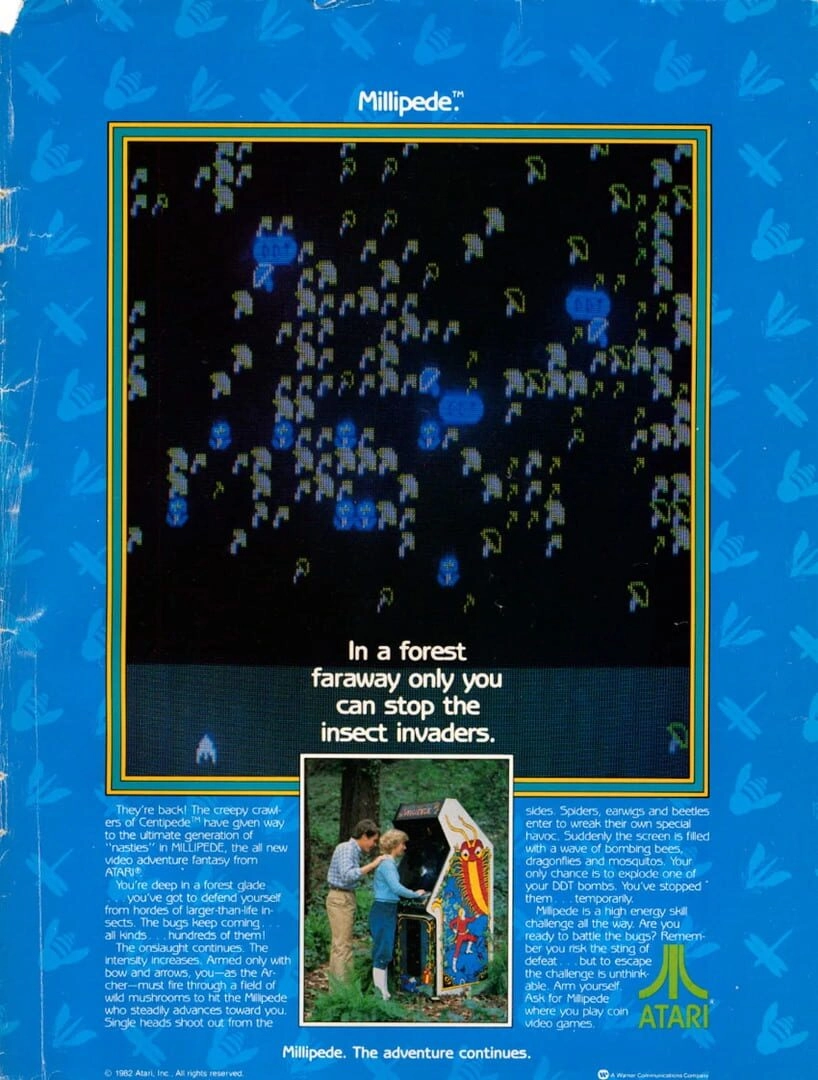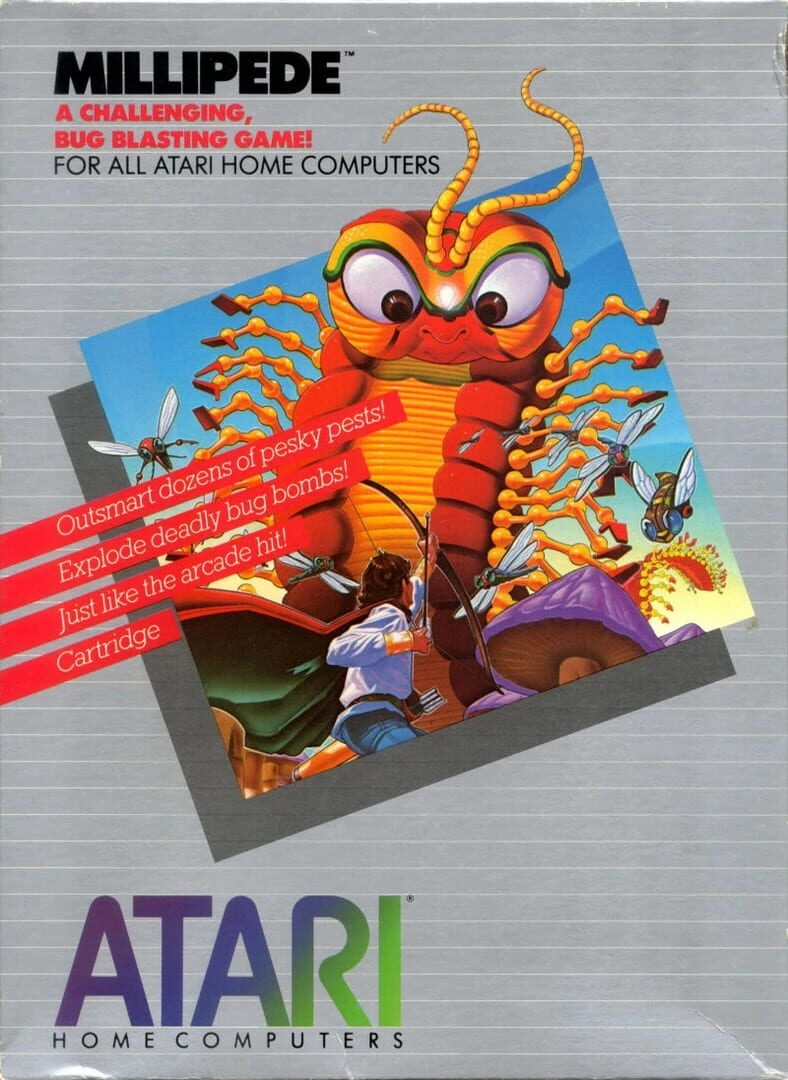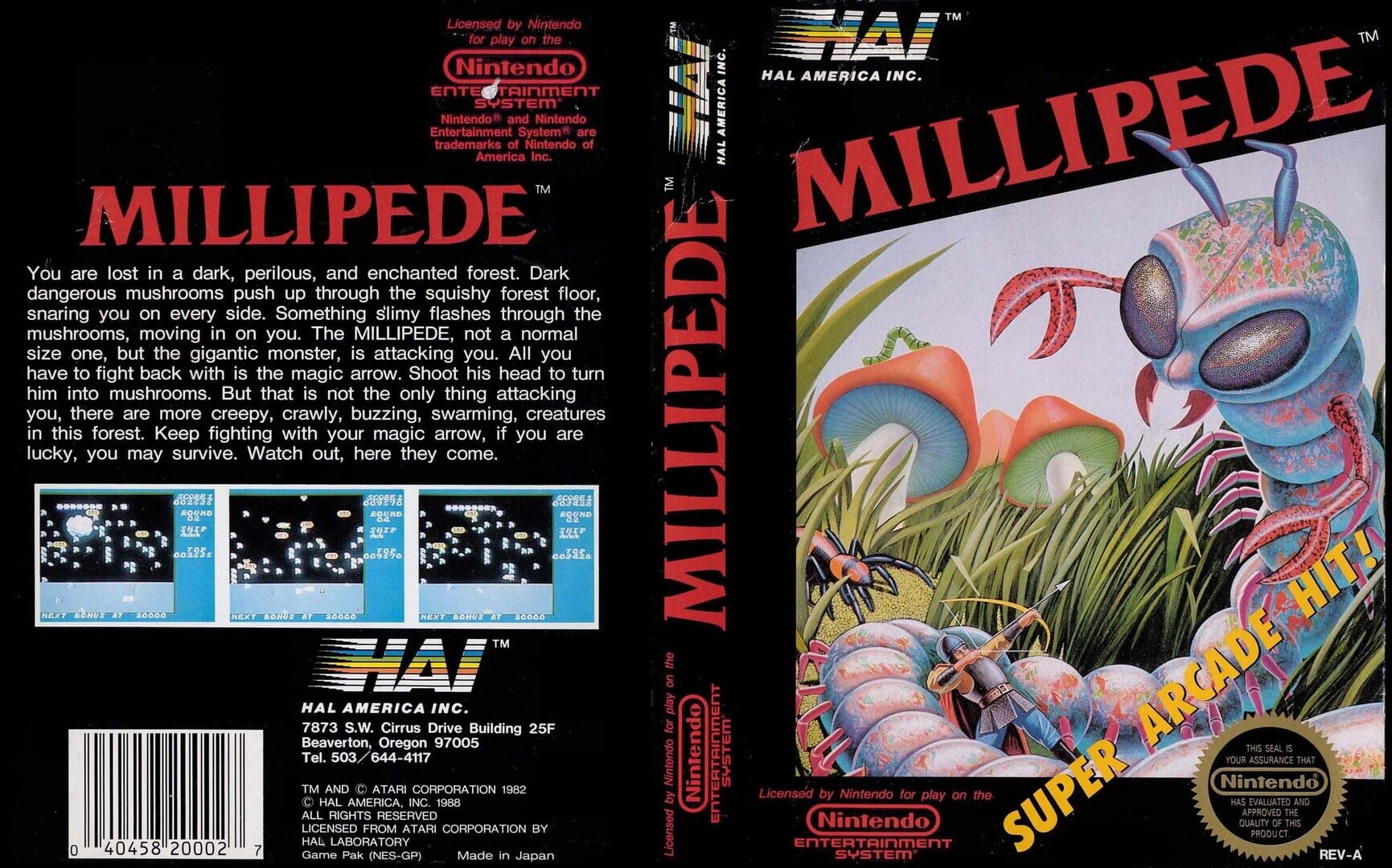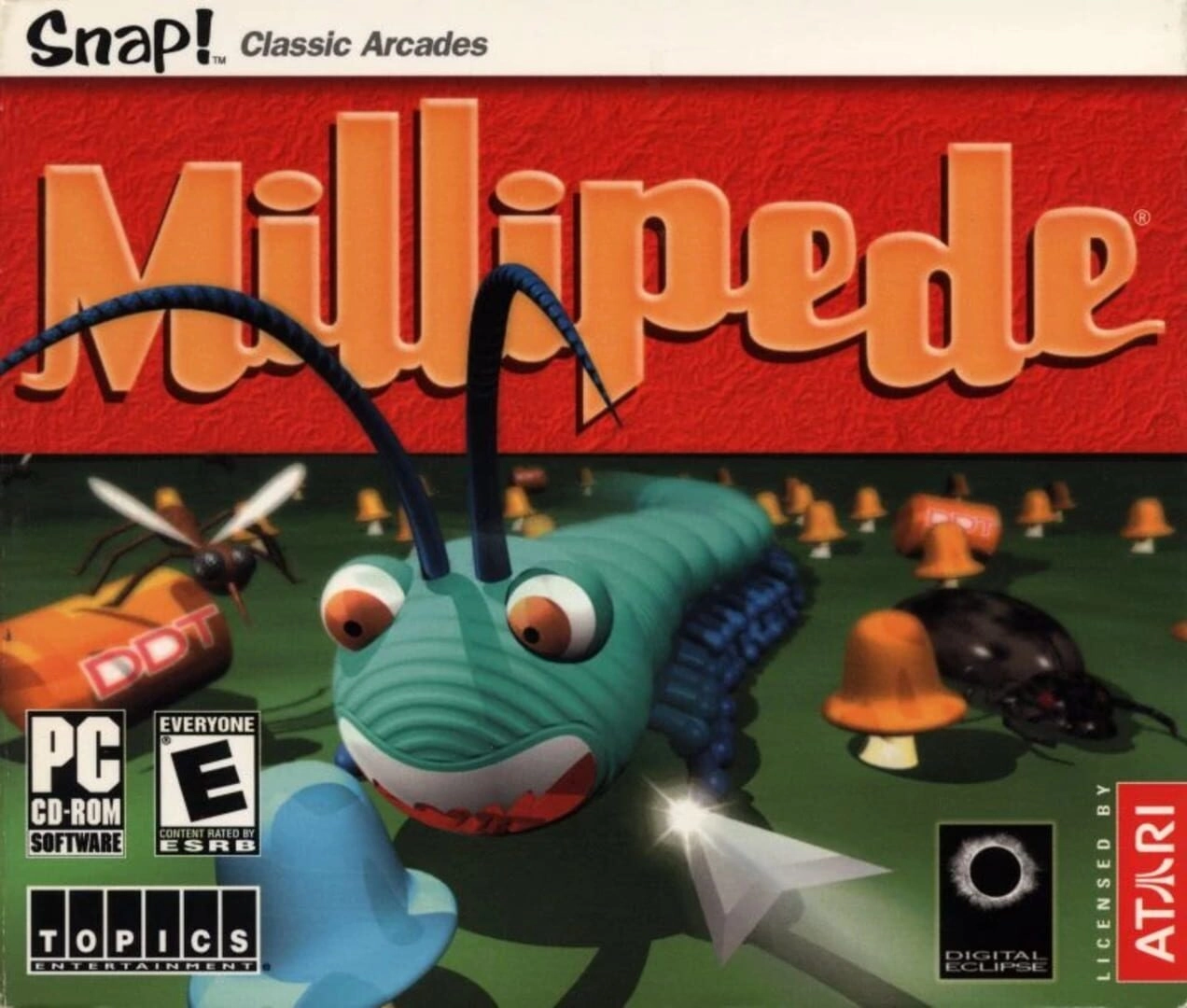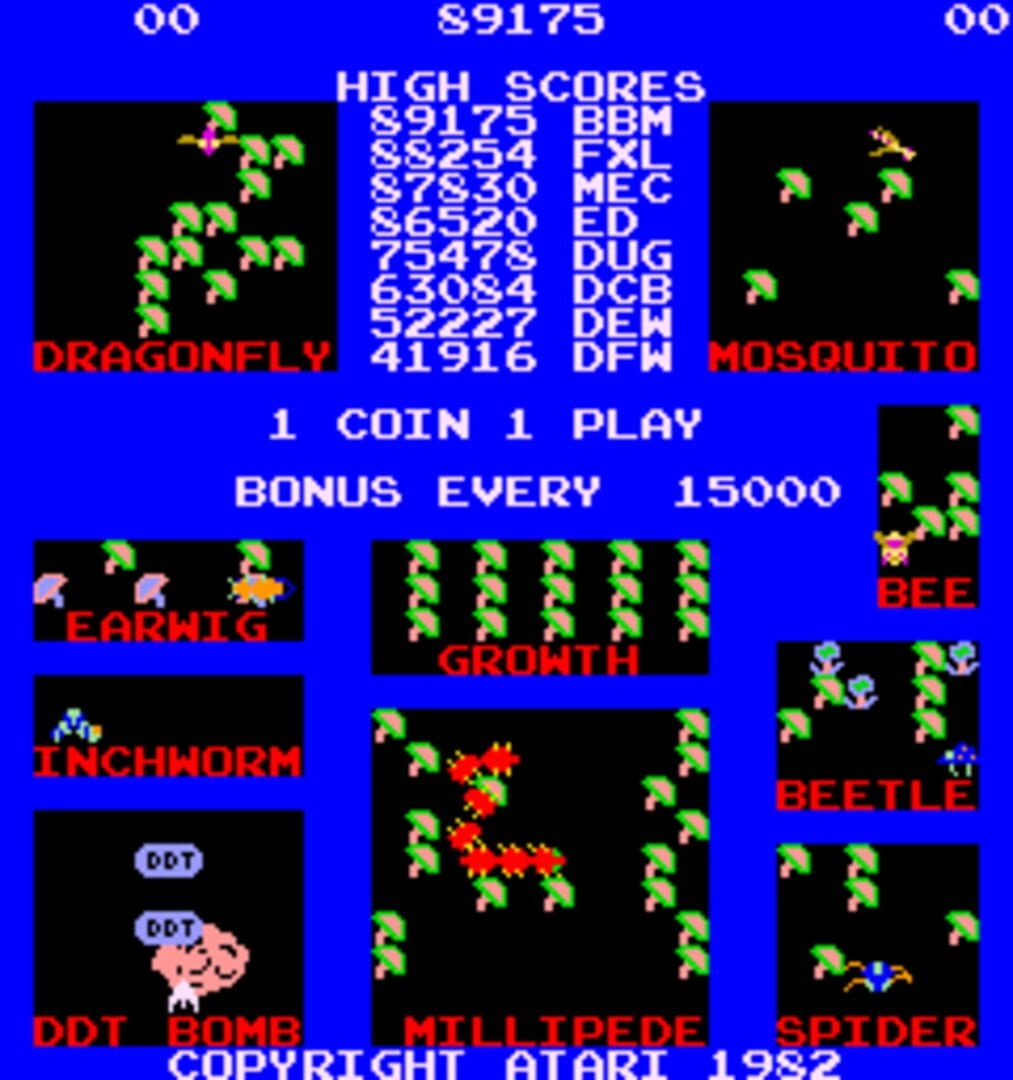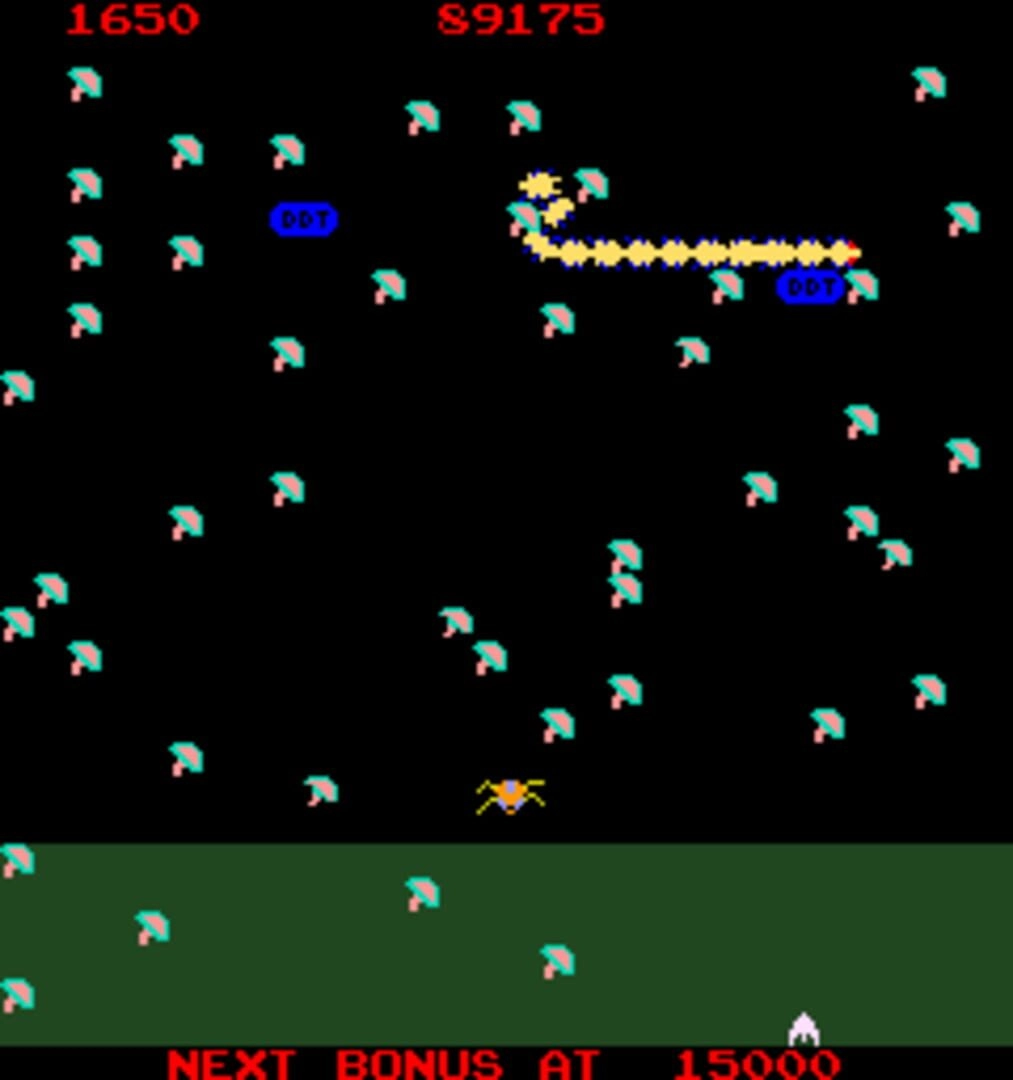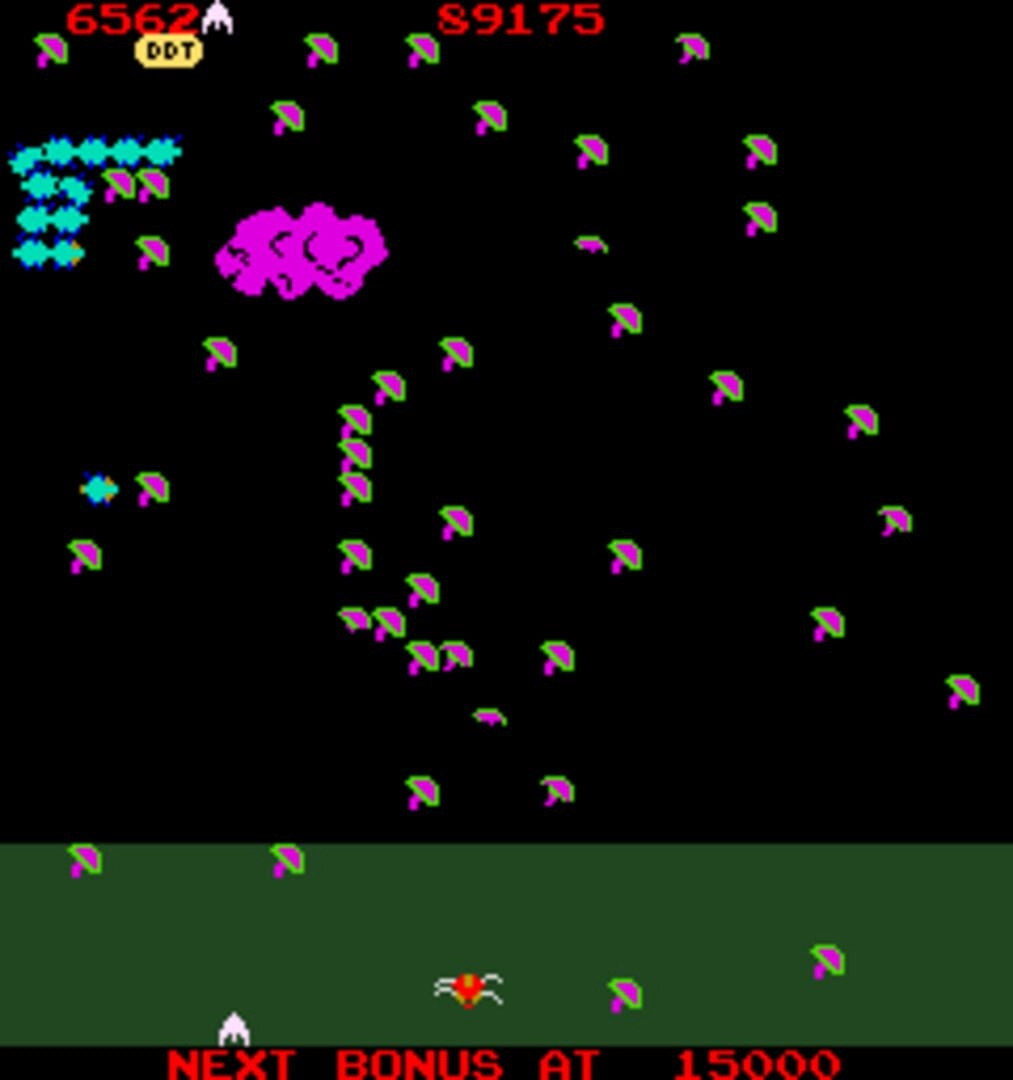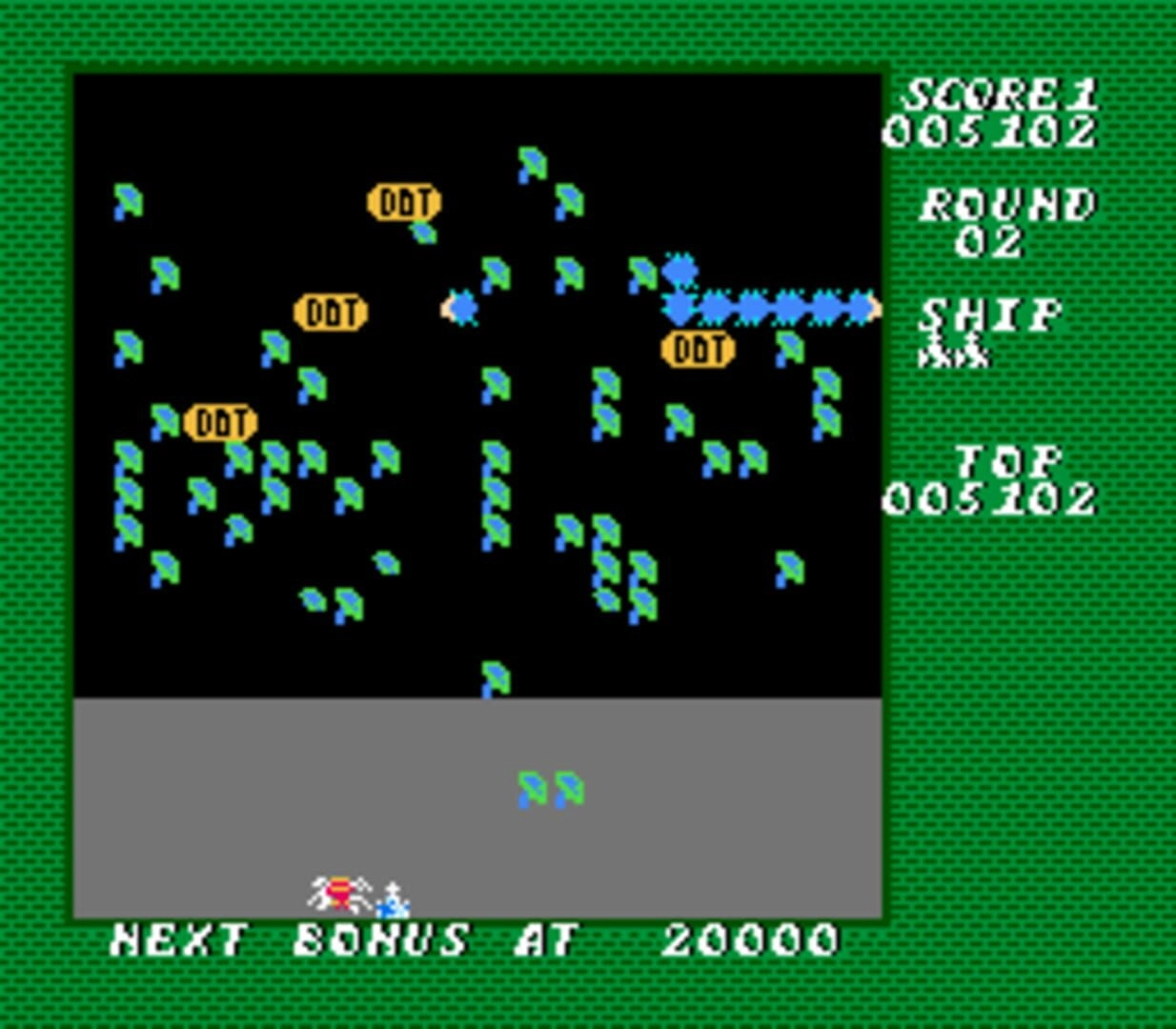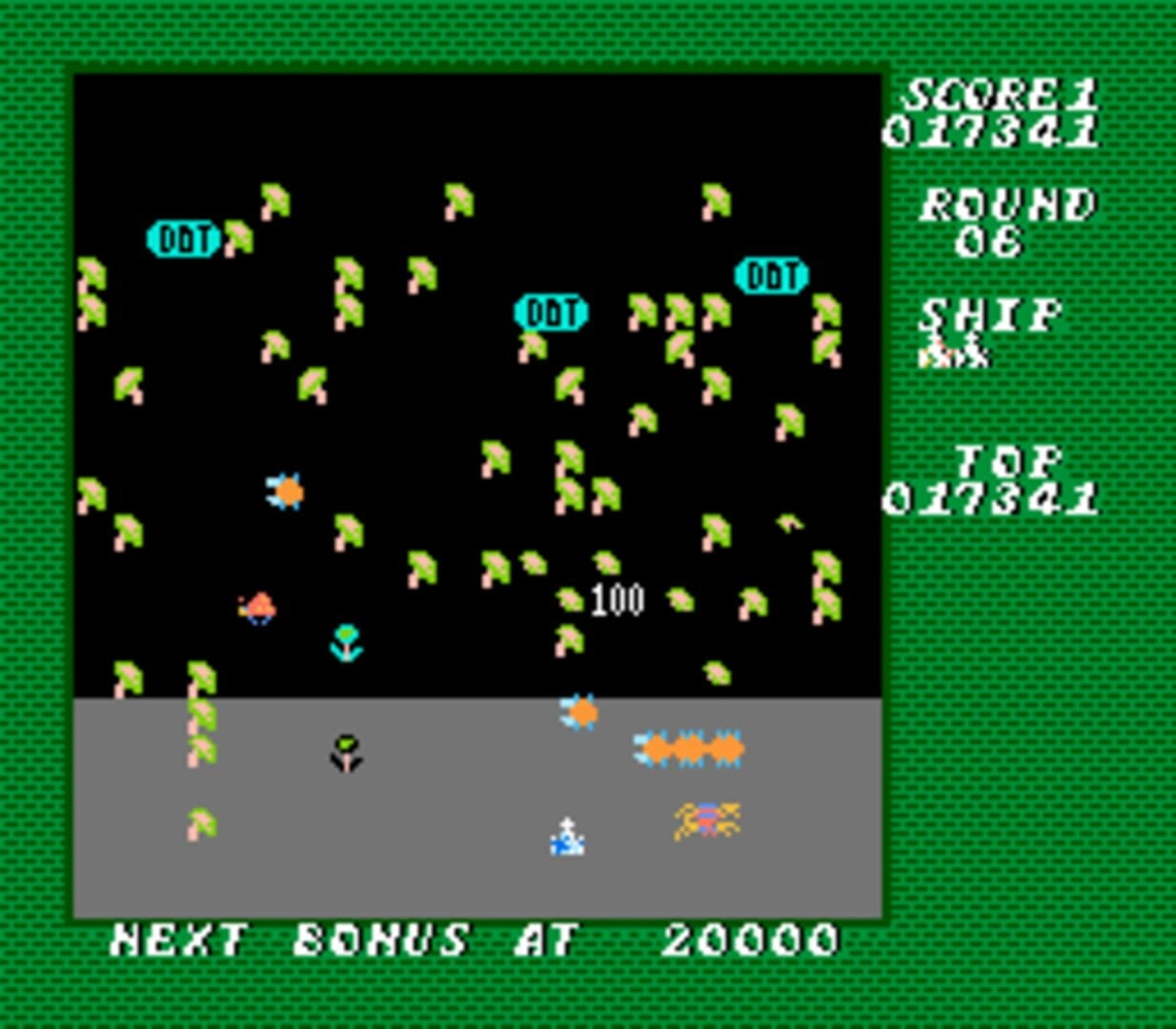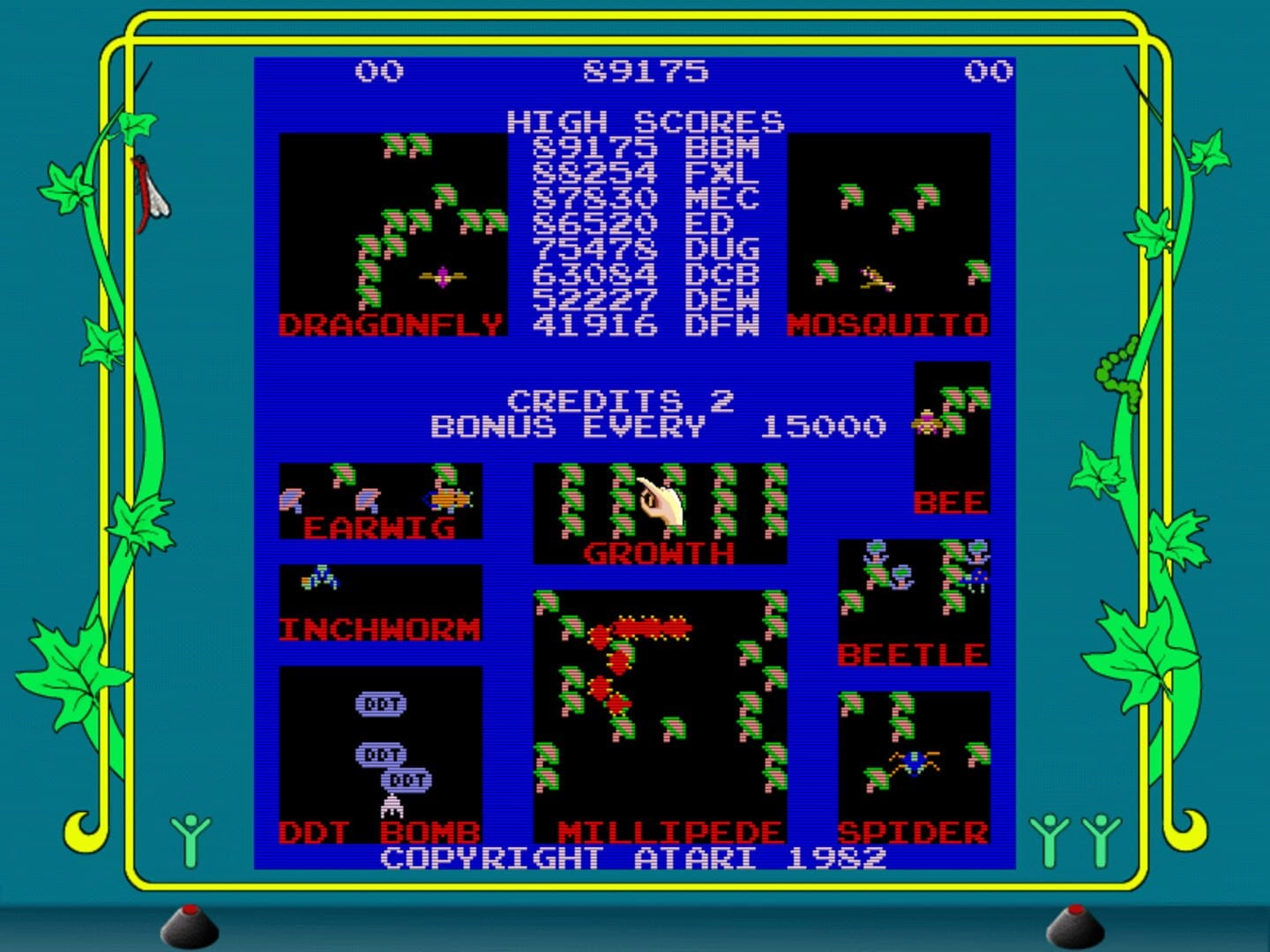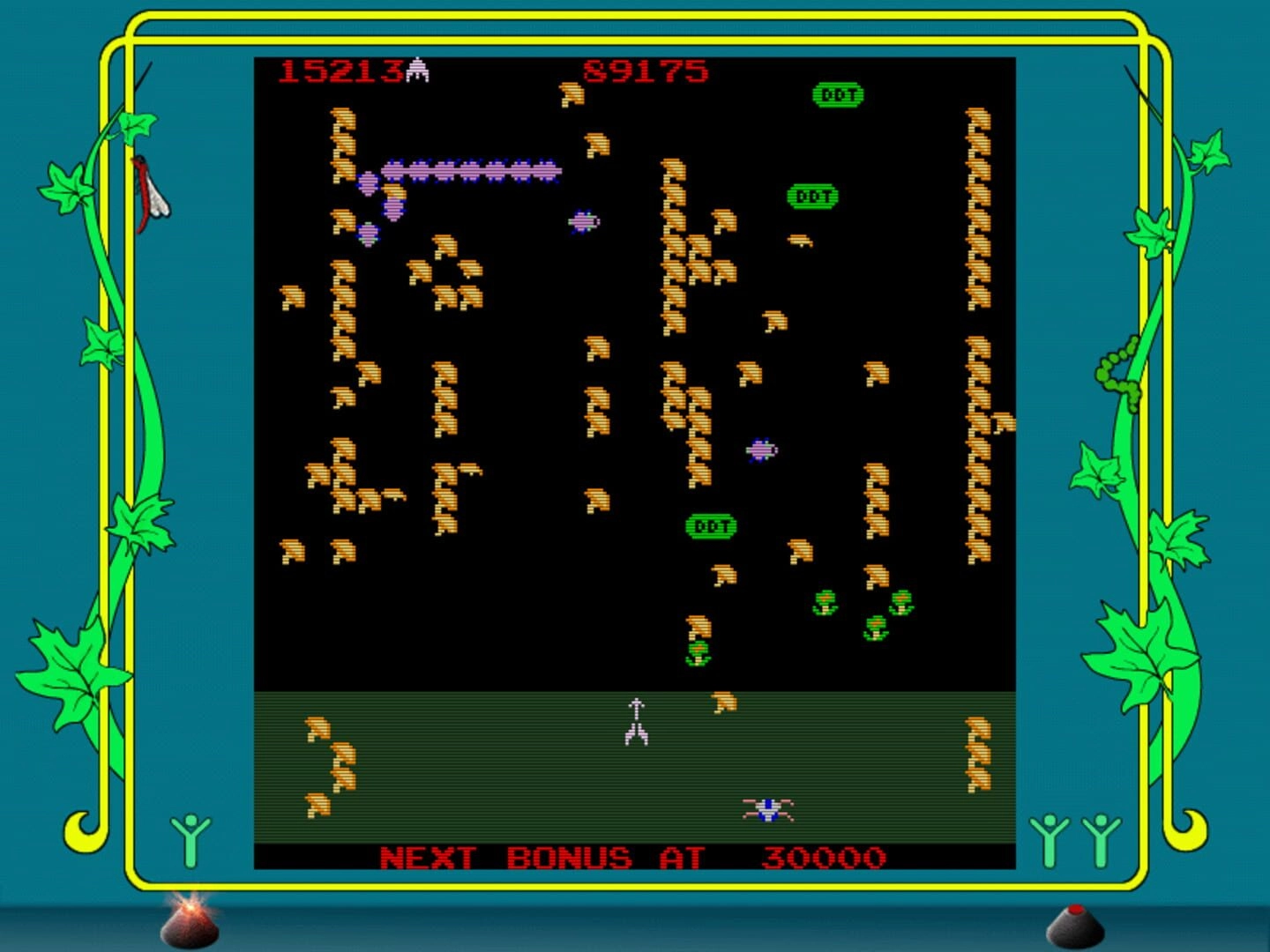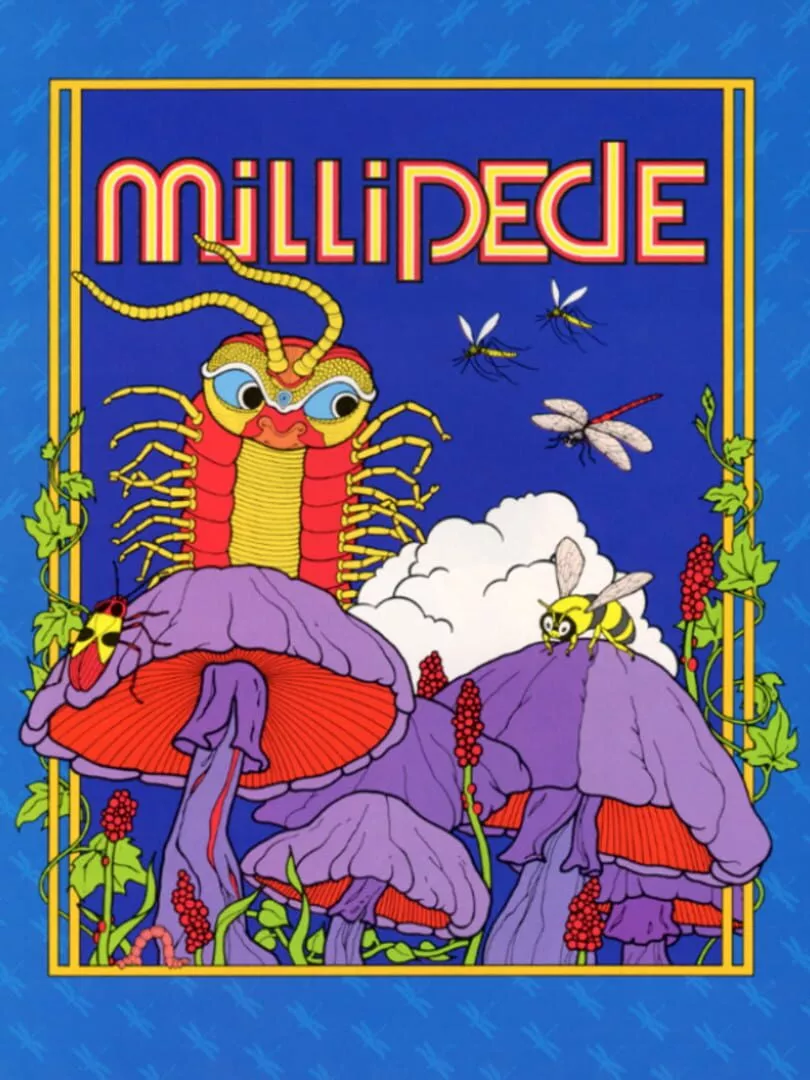
Millipede, released in 1982 by Atari, Inc., is a classic arcade game and the sequel to the popular game Centipede. In this game, players aim to score as many points as possible by destroying all segments of the millipede as it moves towards the bottom of the screen. Along the way, players must also avoid and destroy other enemies to advance further in the game.
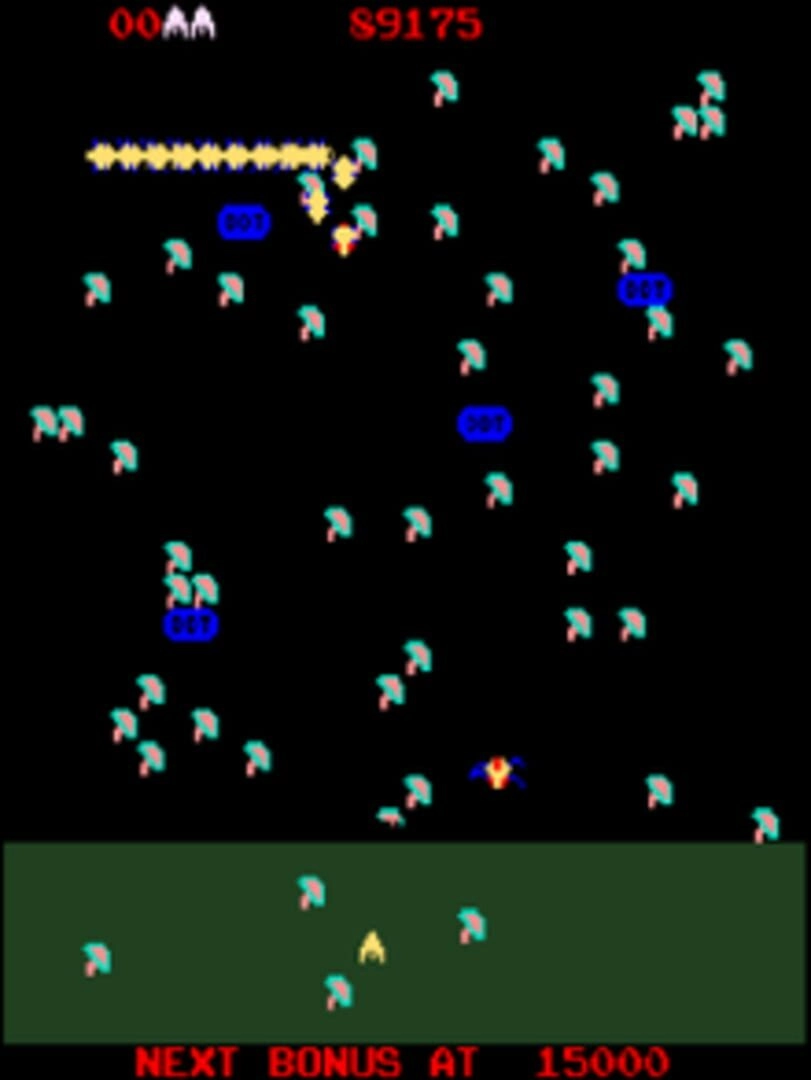
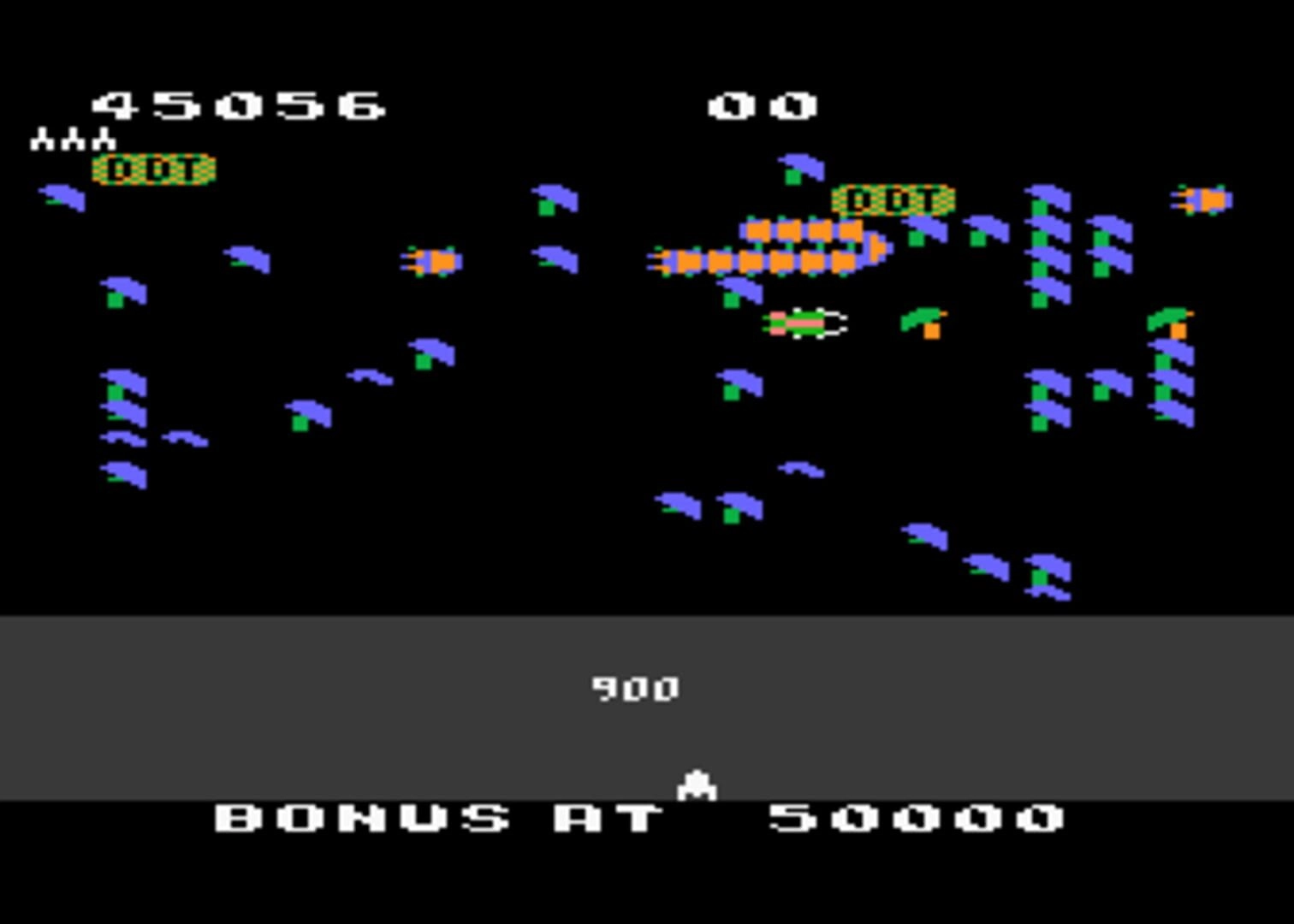
Millipede is played using a trackball and a single fire button. The trackball allows players to control the movement of the player character, a shooter, at the bottom of the screen. The millipede starts at the top of the screen, moving towards the player character in a zig-zag pattern. The player's objective is to shoot and destroy each segment of the millipede before it reaches the bottom of the screen.
As the millipede segments are hit, they break into smaller, faster-moving pieces. Each time a segment is destroyed, the player earns points. The smaller segments can be more challenging to hit, requiring players to aim accurately with the trackball. Additionally, new obstacles and enemies appear as the game progresses, adding to the challenge.
Players must also avoid other enemies, such as spiders, beetles, and fleas. Spiders move across the screen horizontally, leaving behind web barriers that can hinder the player's movement. Beetles move downwards in a straight line, and shooting them grants bonus points. Fleas drop from the top of the screen, leaving mushrooms in their path. The mushrooms act as obstacles, making it difficult for the player to shoot the millipede.
In addition to the millipede and other enemies, players can also encounter power-ups during gameplay. One notable power-up is the DDT bomb, which, when shot, clears the entire screen of enemies and obstacles. This power-up can be a game-changer, providing players with a momentary advantage to progress further in the game.
Millipede features multiple difficulty levels that increase the game's challenge as players progress. These levels alter the speed, movement patterns, and aggressiveness of the millipede and other enemies, making each playthrough unique and exciting. The game also keeps track of high scores, encouraging players to improve their skills and compete with friends and other players.
Like most arcade games of its time, Millipede only has a limited number of lives, and the game ends when the player loses their last life. At the end of the game, players are given a score based on their performance, providing a sense of accomplishment and motivation to replay and improve their score.
Millipede's gameplay mechanics and engaging visuals captivated arcade-goers in the 1980s. The addictive nature of the game, coupled with its simple yet challenging gameplay, contributed to its popularity and longevity. Even today, Millipede continues to be enjoyed by retro gaming enthusiasts who seek to relive the nostalgia of the arcade era.
In conclusion, Millipede is a classic arcade game from 1982 that follows in the footsteps of the beloved Centipede. With its addictive gameplay, various enemies, power-ups, and multiple difficulty levels, Millipede continues to entertain players and invoke feelings of nostalgia. So dust off your trackball and get ready to take on the millipede in this timeless arcade classic.