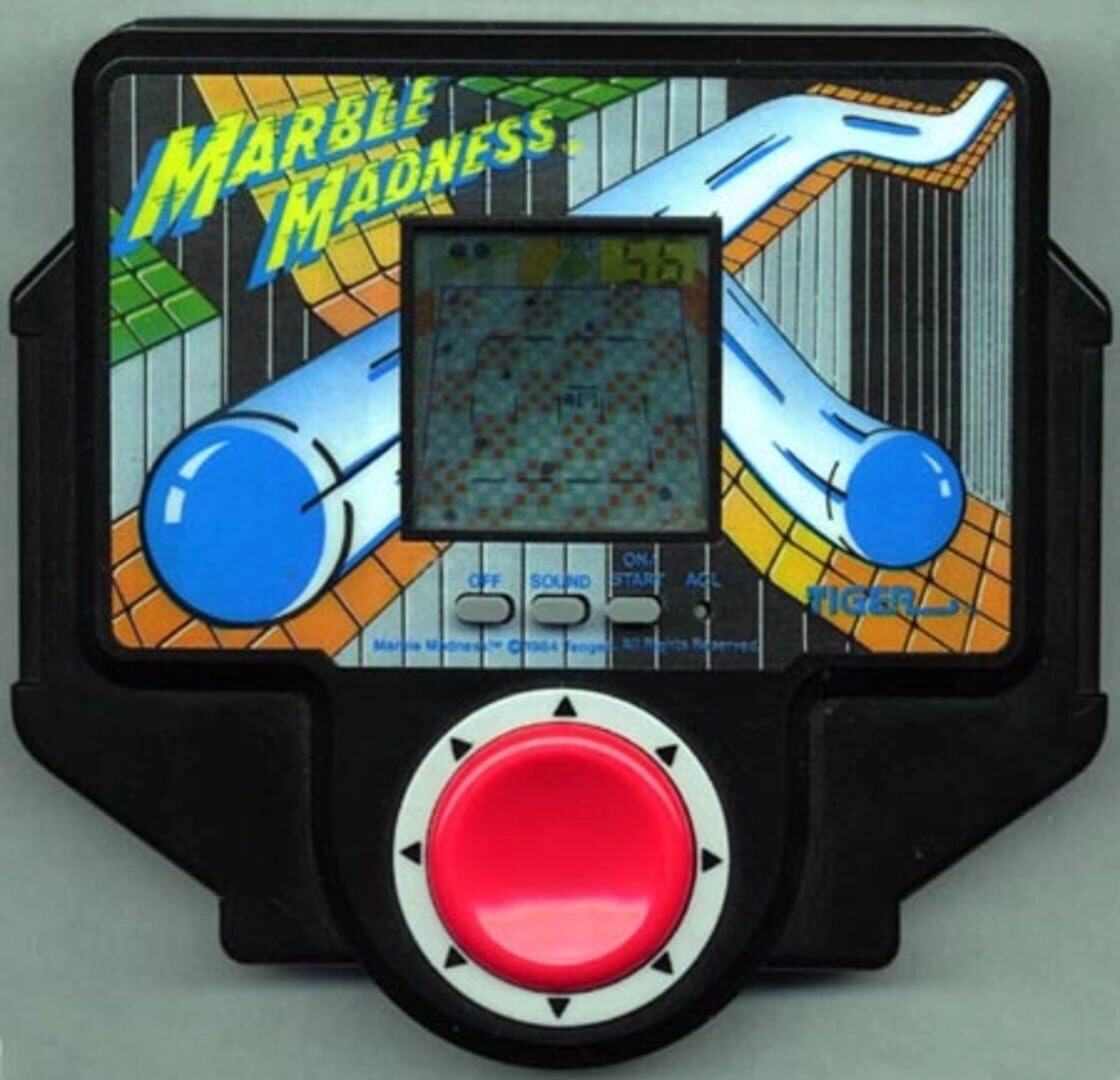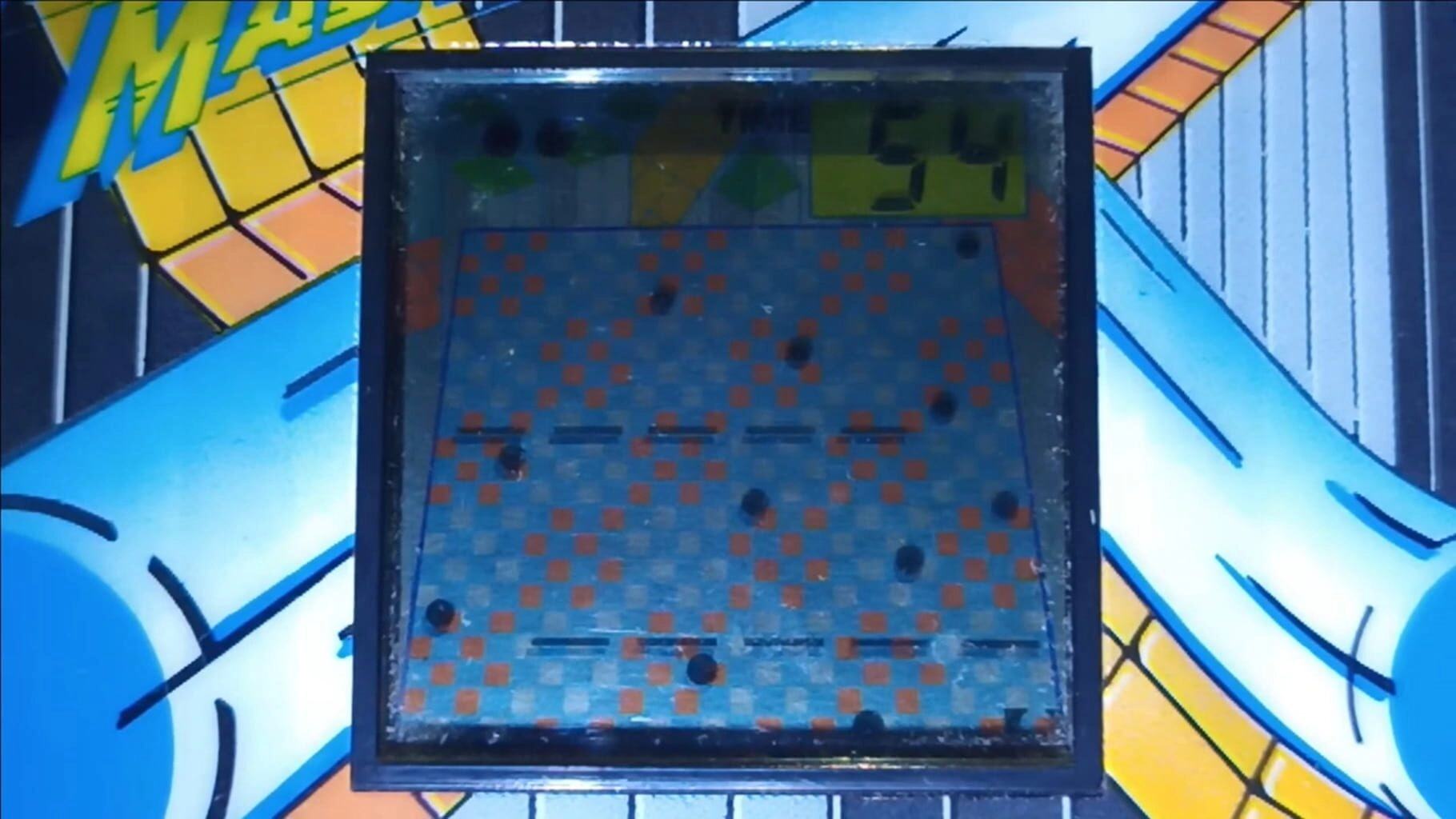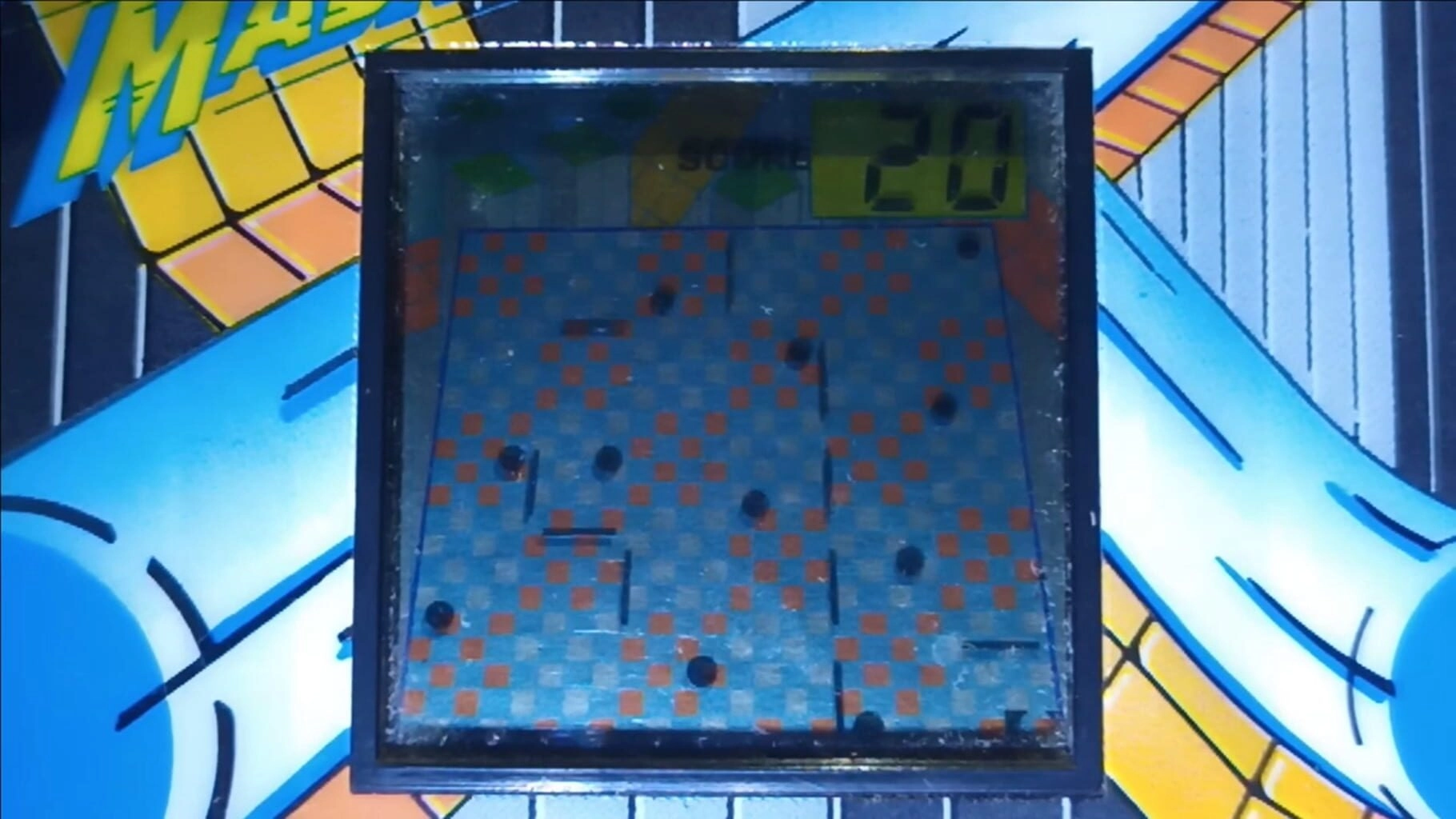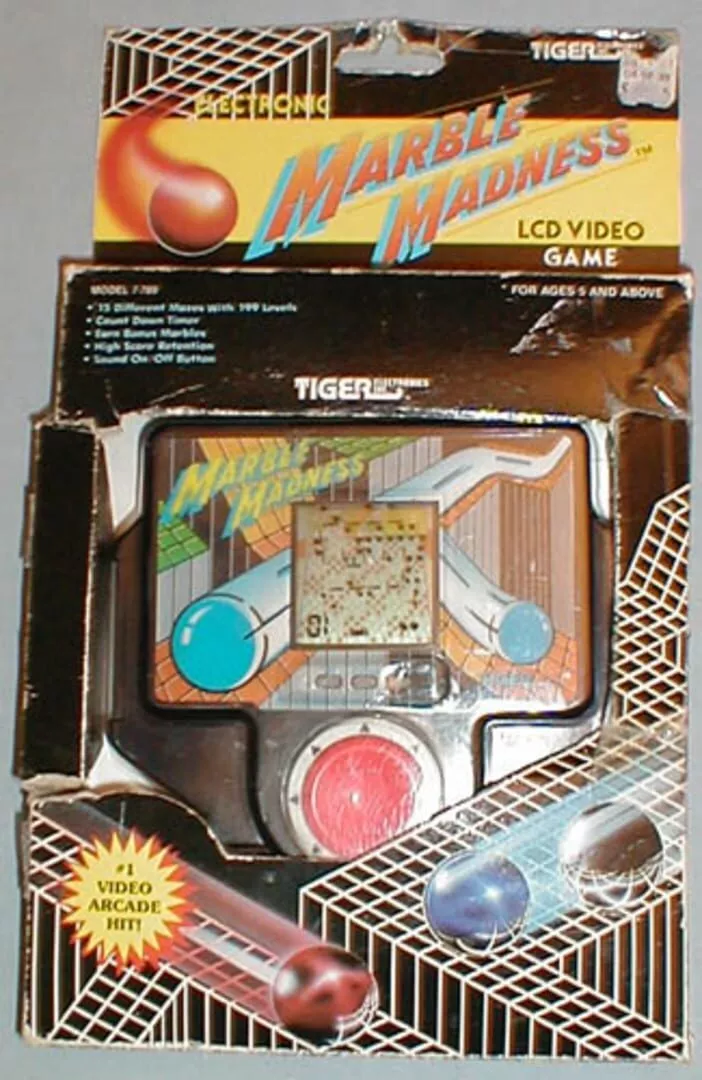
Marble Madness is a beloved NES game that was released in 1989. Based on the popular arcade game of the same name, Marble Madness captivated players with its unique gameplay and challenging levels. This article will delve into the details of this classic game, exploring its origins, gameplay mechanics, and enduring appeal.
The original arcade version of Marble Madness was developed by Atari Games and released in 1984. It quickly became a hit, thanks to its innovative gameplay and eye-catching isometric graphics. The objective of the game is to guide a marble through a series of mazes, avoiding obstacles and pitfalls, and reaching the goal before time runs out.
The NES version of Marble Madness faithfully replicated the arcade experience. Players could choose between two modes: A or B. In mode A, players navigated eight different levels, each with its own unique challenges. Mode B allowed two players to compete in a split-screen race, adding an extra layer of excitement to the game.
Navigating the marble through the mazes required precise control and quick reflexes. Players used the NES controller's D-pad to move the marble, with the A and B buttons used to jump and control the camera perspective. The challenge lay in maneuvering the marble through narrow pathways, avoiding hazards such as moving platforms, enemy marbles, and even marbles with a mind of their own.
One of the key factors that made Marble Madness stand out was its immersive gameplay. The controls were simple yet responsive, allowing players to feel a real sense of control over the marble. Mastering the delicate movements required to maneuver through the intricately designed mazes was both satisfying and addictive.
Visually, Marble Madness was a treat to behold. The isometric graphics, though limited by the NES hardware, managed to capture the essence of the arcade version. The mazes were filled with vibrant colors and distinctive designs, creating a visually stimulating experience. The game's soundtrack, composed by Hal Canon, added to the overall atmosphere, enhancing the gameplay with its energizing tunes.
Marble Madness received positive reviews upon its release, with critics praising its addictive gameplay and impressive graphics. The game's challenge and replay value were also highlighted, as players could spend hours trying to perfect their skills and beat their previous best times. Marble Madness became a staple in many NES collections, often passed down from generation to generation as a cherished classic.
Over the years, Marble Madness has made appearances in various forms. It was ported to several other consoles, including the Sega Genesis and the Game Boy, ensuring that a wider audience could experience the joy of rolling a virtual marble through challenging mazes. The game also inspired other marble-based titles, solidifying its place in gaming history.
Today, Marble Madness continues to hold a special place in the hearts of retro gaming enthusiasts. Its simple yet addictive gameplay and iconic visuals have stood the test of time, making it a must-play for anyone looking to experience the magic of NES gaming. Whether you're a seasoned gamer or a newcomer to the world of retro gaming, Marble Madness is sure to provide hours of fun and challenge.
In conclusion, Marble Madness is not just a NES game; it is a beloved classic that has left a lasting impression on the gaming community. Its addictive gameplay, innovative mechanics, and distinctive visuals have made it a timeless gem. So, dust off your NES console and get ready to embark on a marble-rolling adventure like no other.