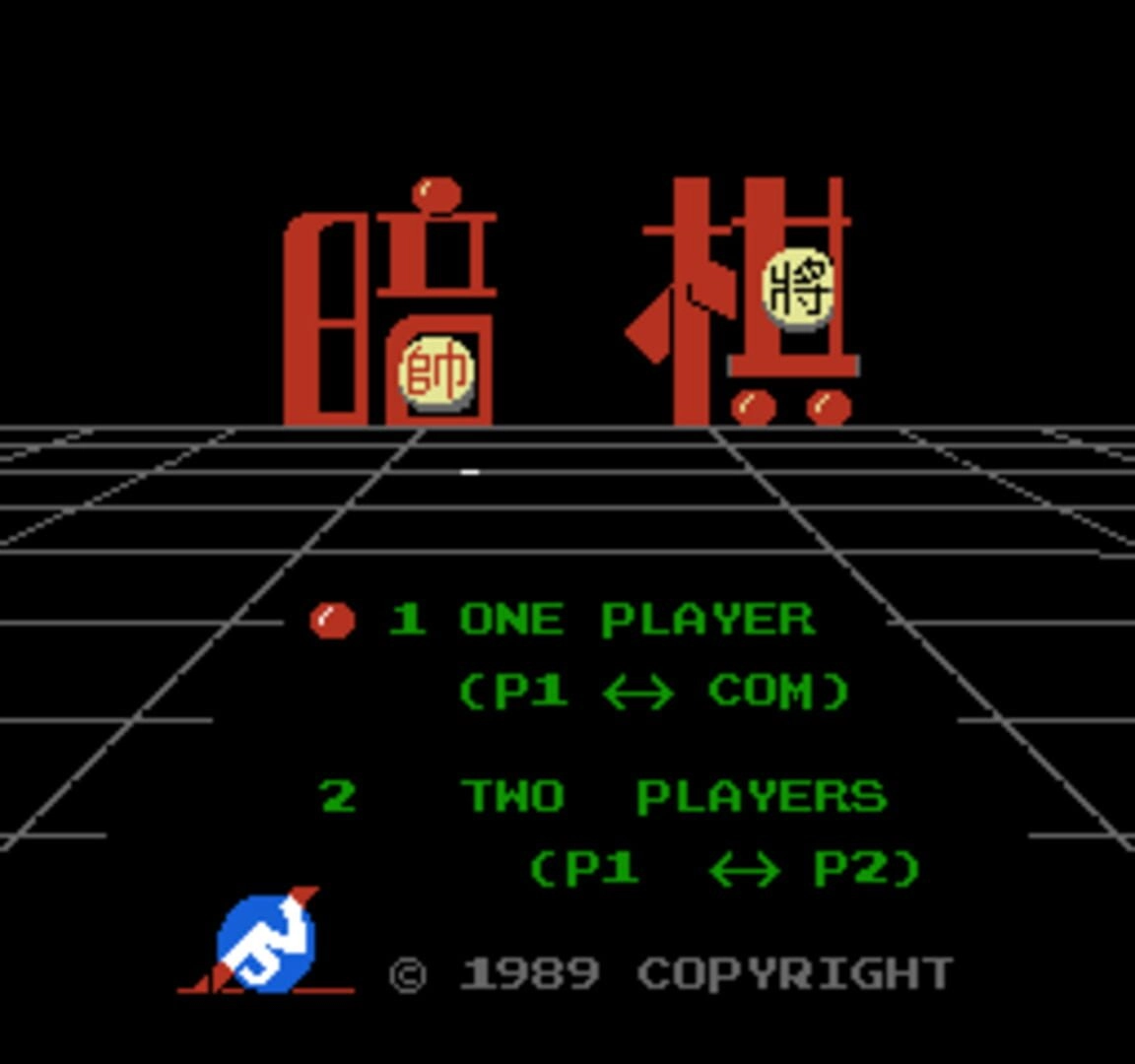
Xiangqi, also known as Chinese Chess, is a captivating and strategic board game that has been enjoyed by millions of people for centuries. Originating in China around the 5th century, Xiangqi bears some similarities to the more well-known Western game, Chess, but also has its own unique set of rules and elements that make it a distinct and intriguing game.
Xiangqi is played on a board that is divided into 10 horizontal lines called "ranks" and 9 vertical lines called "files." The board is typically red, and the playing pieces are placed on the intersections of the lines. Each player starts with an army of 16 pieces, which include various infantry, cavalry, and artillery units. The objective of the game is to checkmate the opponent's general, called the "king," by placing it in a position where it cannot escape capture.
The gameplay of Xiangqi is different from Chess in several ways. For one, the board is set up differently, with a river dividing the board horizontally into the two sides. There are also certain restrictions on where the pieces can move. For example, the king can only move within a designated area on the board, known as the "palace." Additionally, there are special moves and abilities unique to certain pieces, such as the horse, which can jump over other pieces.
Xiangqi is a highly strategic game that requires careful planning and foresight. The player must consider the strengths and weaknesses of each piece and develop a strategy to take control of the board and protect their own pieces. The concept of "threats" is crucial in Xiangqi, as players must constantly be aware of potential attacks and plan their moves accordingly. The game is known for its fast pace and dynamic nature, as positions can change rapidly and players must adapt their strategies on the fly.
One of the most intriguing aspects of Xiangqi is its long and rich history. The game has been played for over a thousand years and has evolved and spread throughout different regions of Asia. Today, it is particularly popular in China, Vietnam, and other East Asian countries. Xiangqi has also gained a following in the Western world, with enthusiasts and clubs dedicated to playing and promoting the game.
Xiangqi is not just a game of leisure, but also a sport that has gained recognition in international competitions. The World Xiangqi Championships have been held biennially since 1991, attracting players from around the globe. In addition, there are many online platforms and apps that allow players to compete against each other remotely, further increasing the accessibility and popularity of the game.
The strategic depth and complexity of Xiangqi make it a fascinating game for enthusiasts and casual players alike. Its unique rules and gameplay elements provide a fresh challenge and require a different approach compared to other board games. Xiangqi is not only a test of intellect and foresight but also a reflection of ancient Chinese culture and philosophy.
In conclusion, Xiangqi, or Chinese Chess, offers players a captivating and strategic experience. With its rich history, unique rules, and widespread popularity, Xiangqi continues to be a beloved game enjoyed by millions of people around the world. Whether you're a seasoned player or a curious beginner, Xiangqi has something to offer for everyone. So, why not give it a try and discover the hidden depths of Chinese Chess?