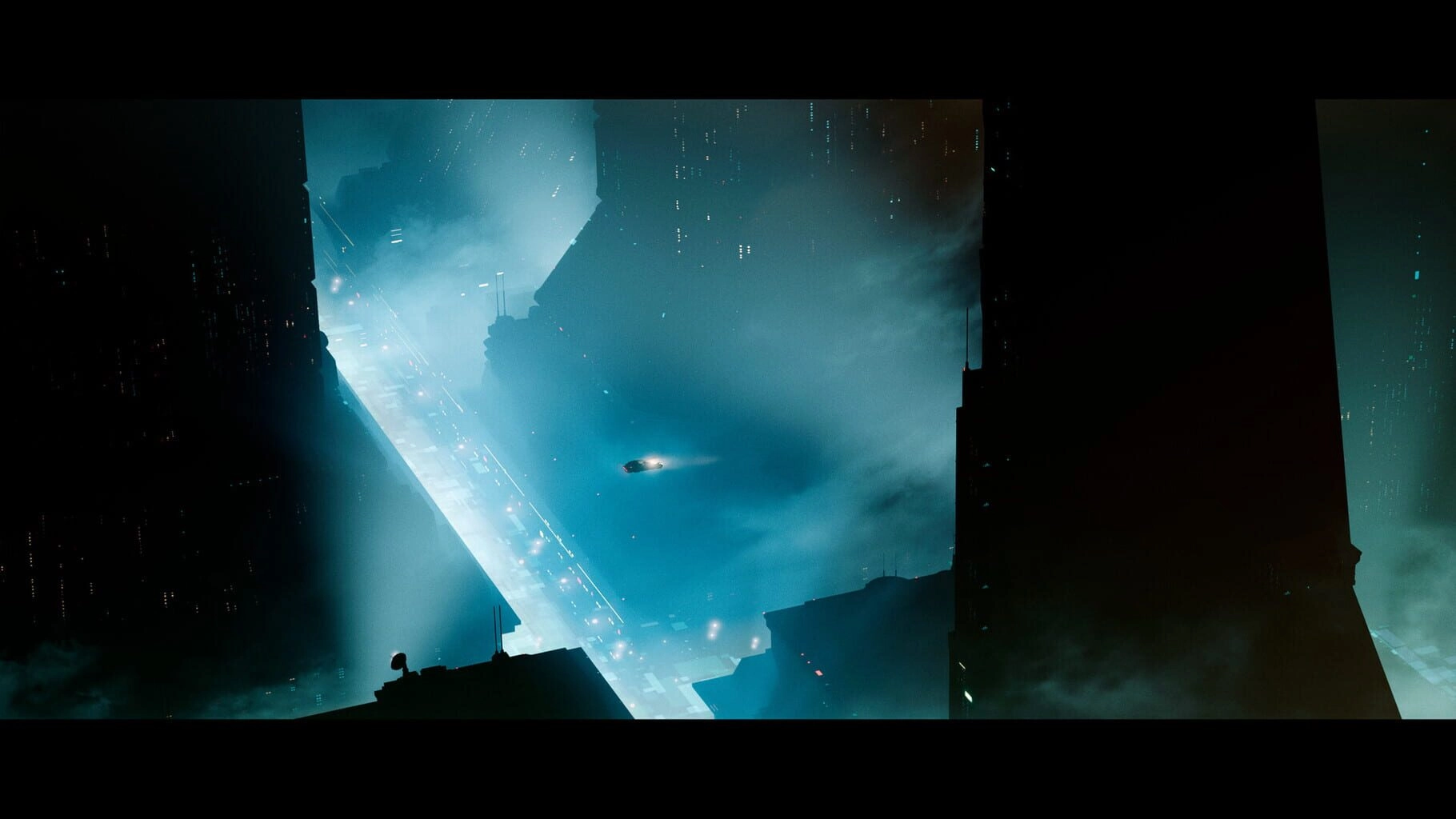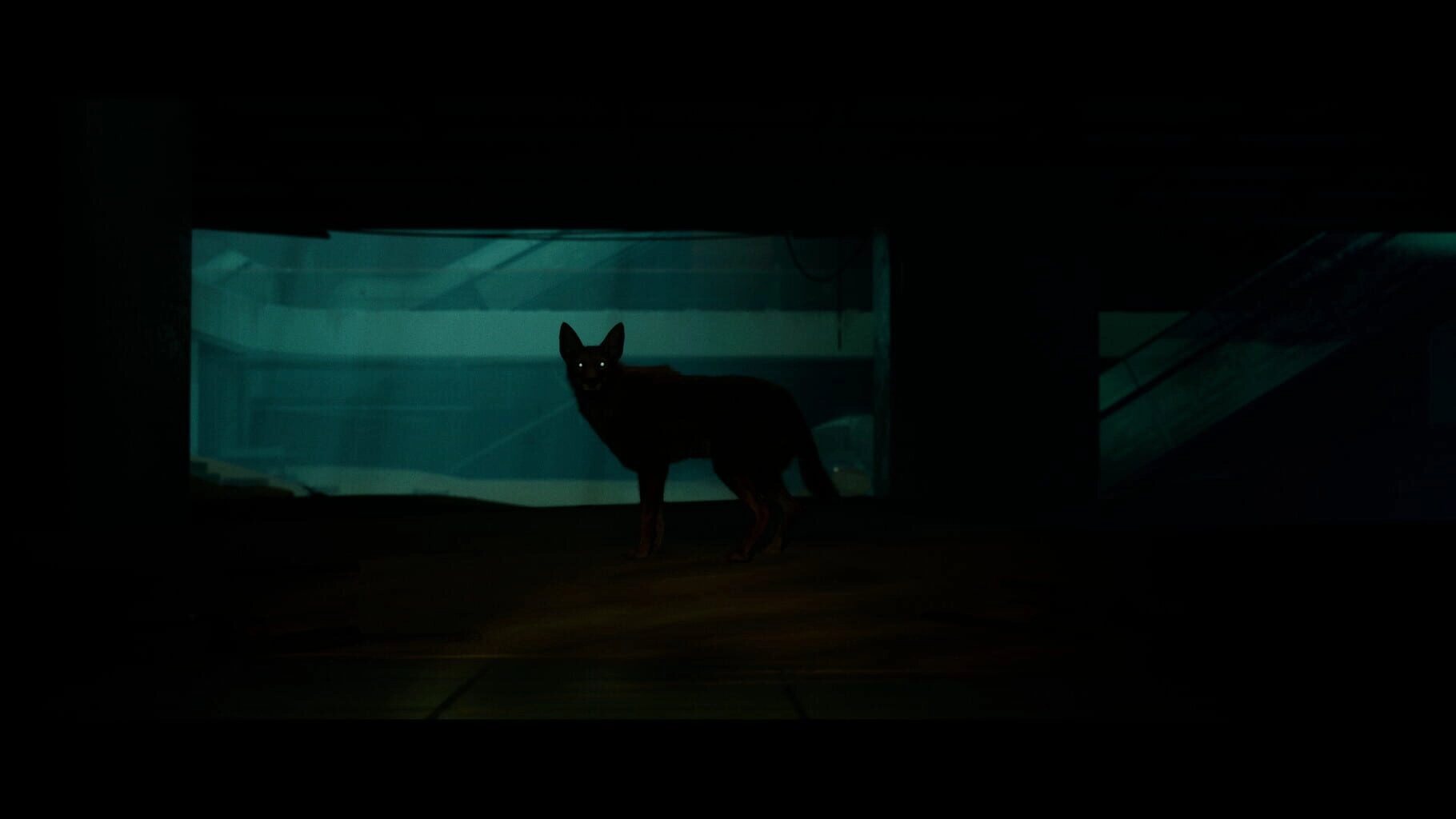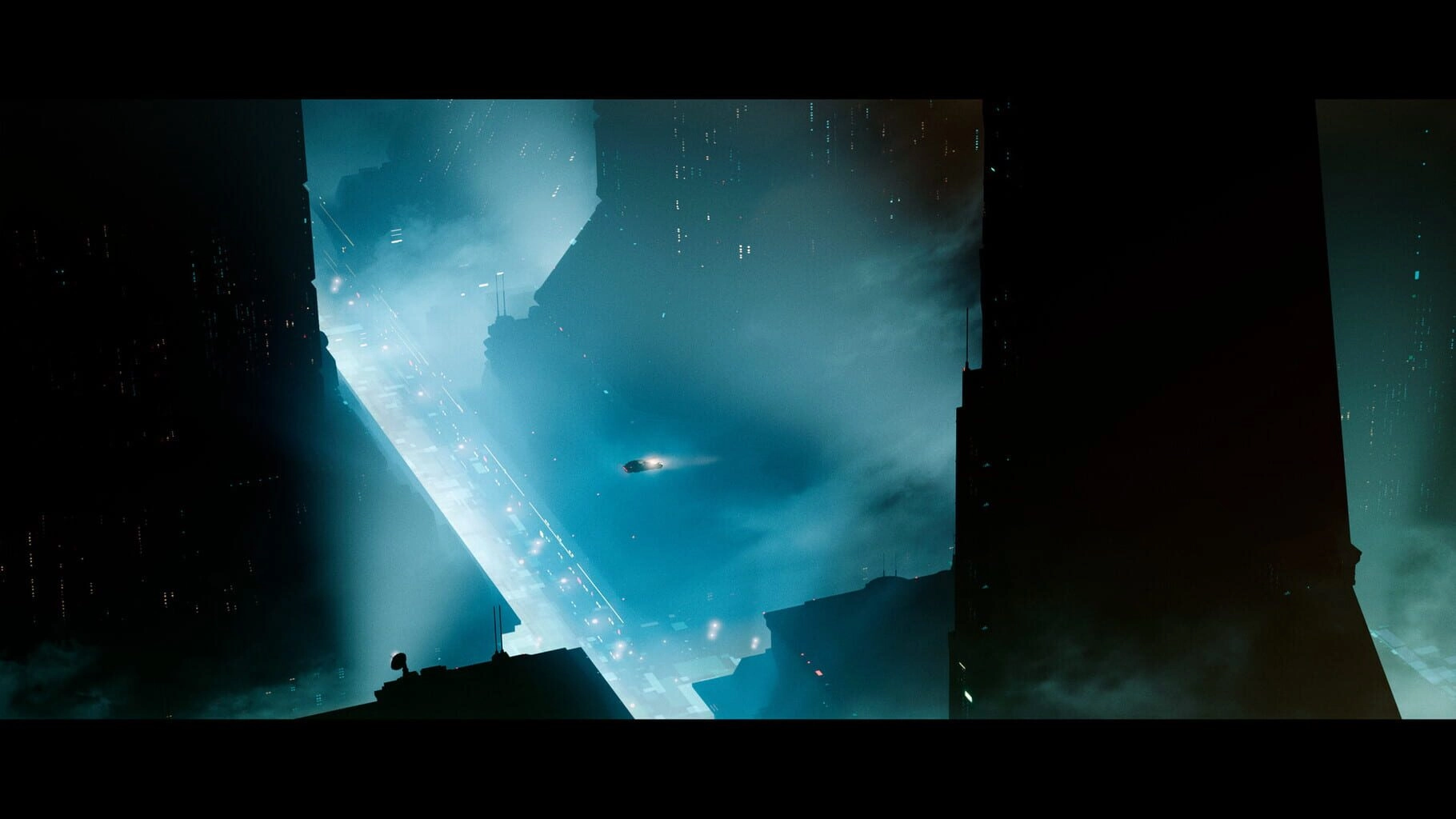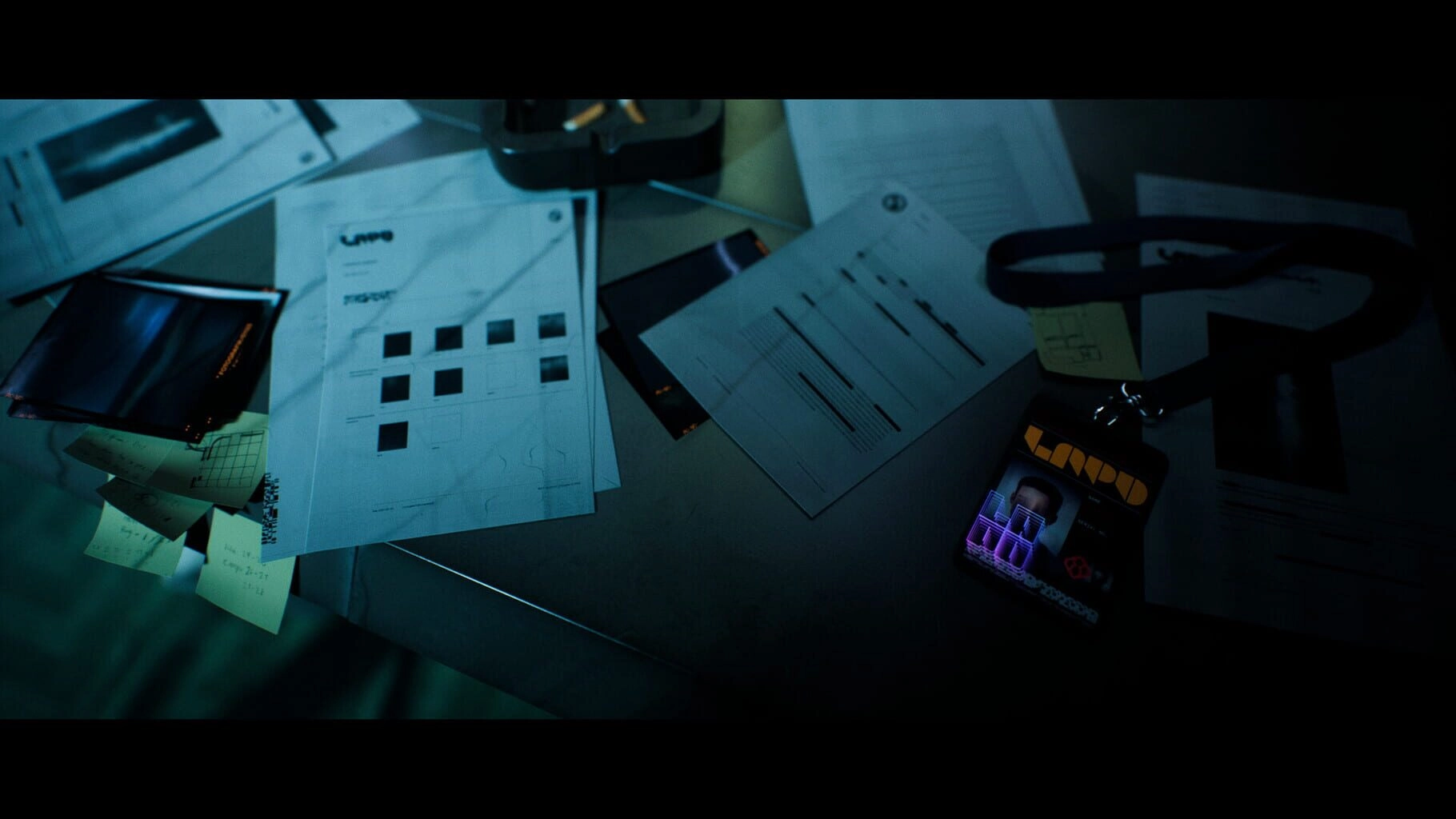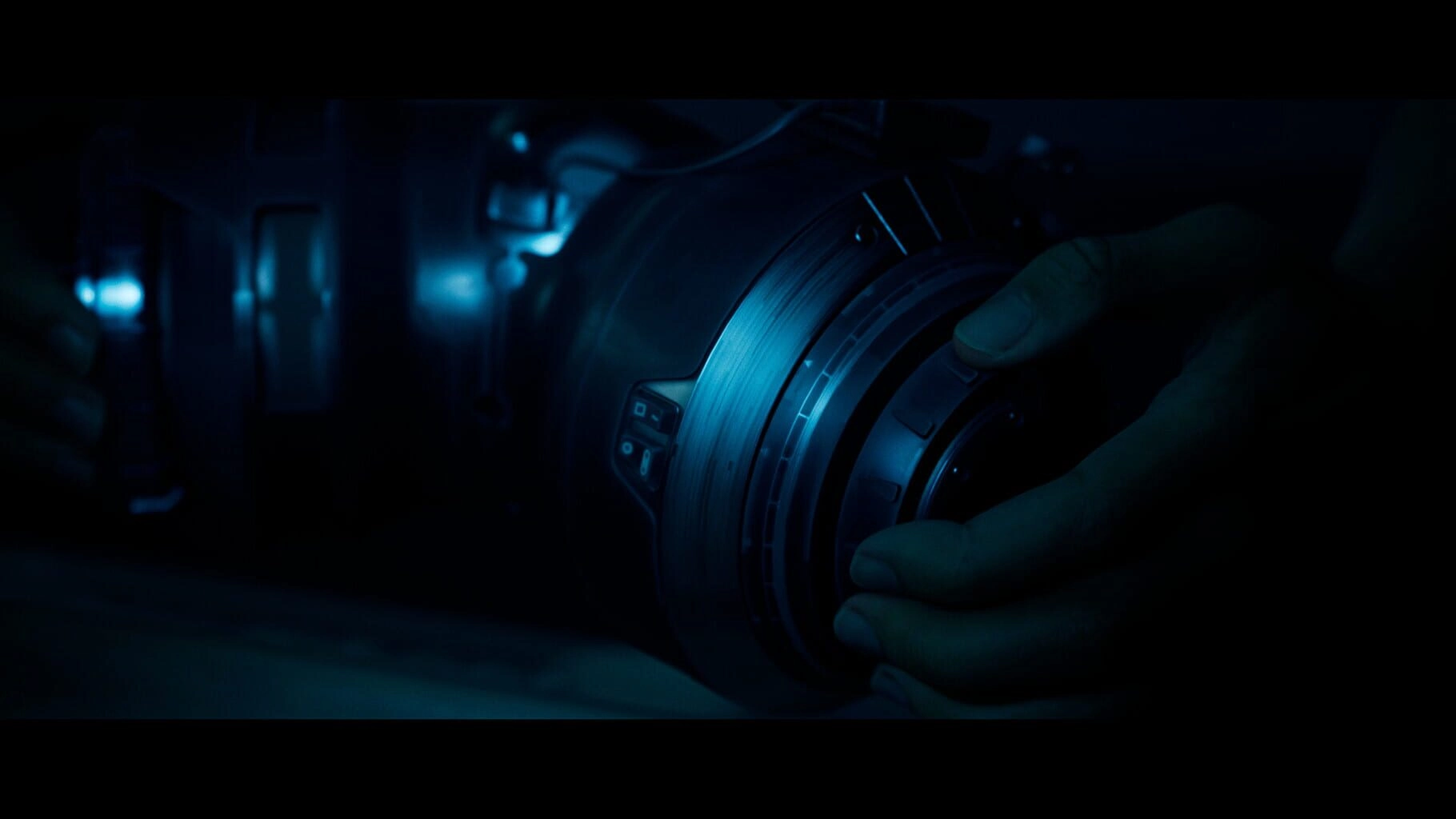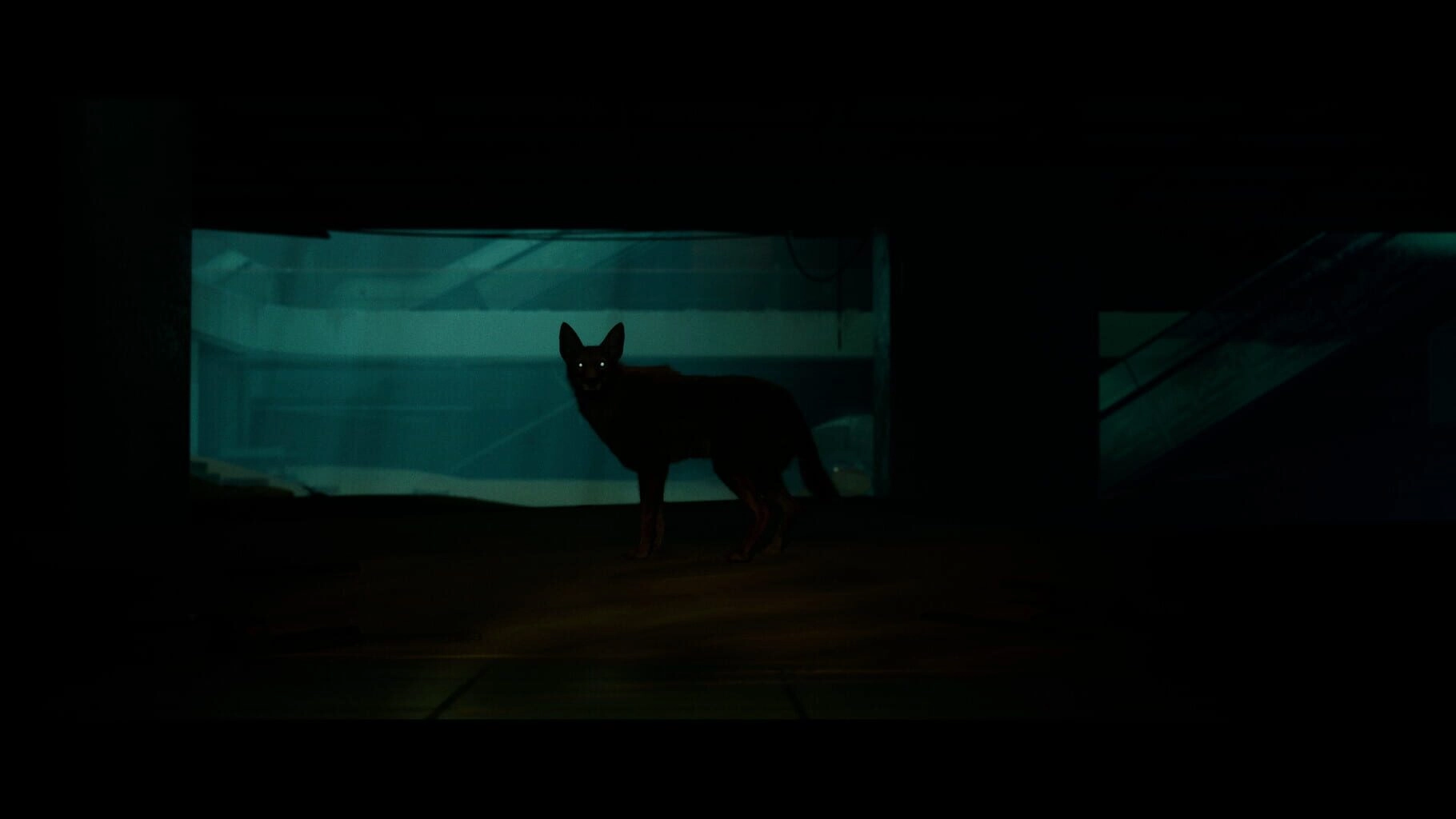
Imagine, if you will, a sprawling Los Angeles in 2033, all neon and noise, looking like someone threw a cyberpunk-themed party and forgot to clean up. This is where we pick up with Blade Runner 2033, which fills in the gap between the classic film's rainy, noodle-slurping days and the sequel’s, well, more rainy, noodle-slurping days with a twist—not a replicant in sight!
So, what does a Blade Runner do when their main job description—hunting replicants—suddenly becomes about as relevant as blockbuster rental memberships? The answer is a blend of existential crisis and the weirdest vacation ever. Assumedly, it's time for our Blade Runners to swap their gritty trench coats for Hawaiian shirts and delve into peculiar hobbies.
Let’s zoom in on our main character—let's call him Frank. Frank’s a traditional Blade Runner, which means brooding is his specialty. In the post-replicant world of 2033, Frank finds himself out of his depth in normalcy. He used to chase synthetic humans through rain-soaked alleys, and now the biggest excitement of his day is choosing between oat milk or almond milk in his latte.
No longer does the eerie vibrato of the Vangelis synth score accompany his every mood; instead, Frank's new soundtrack is more likely to be elevator music. Heck, Frank even tried starting a podcast about his life’s tales, only to realize not many people want to hear him ramble about the emotional turmoil of mistakenly sipping decaffeinated coffee.
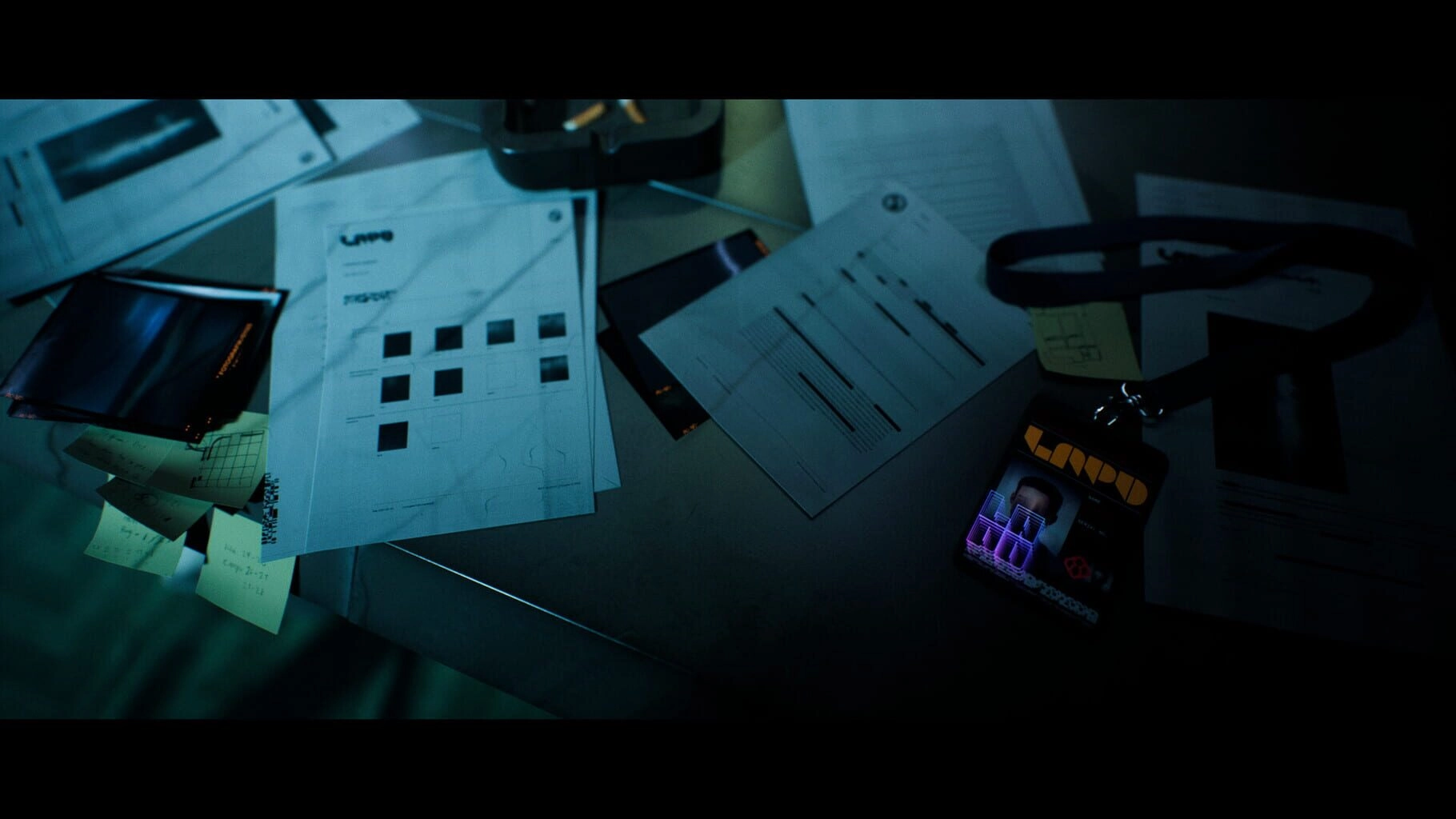
But don’t fret, the existential juice of the story still packs a punch. Frank, in his quest for purpose, gets caught up in the labyrinthine bureaucracy of Los Angeles, which seems to have taken some form-filling inspiration from the DMV. Part of the comedic gold here includes him figuring out his taxes, which, mind you, are now significantly more complicated with all the deductibles and non-deductible expenses of non-existent replicant hunting.
As Frank navigates this Kafkaesque nightmare, we find humor in his misery. Picture this: a high-octane chase scene leading not to a climactic confrontation with a replicant, but to Frank running after a taco truck because, hey, even Blade Runners need to eat, and apparently, this truck has the best fish tacos this side of the distorted Pacific.
Just when all seems bleak and burrito-less, though, there’s a twist: What if there are still replicants out there, hiding in plain sight? What if his new, irritatingly cheerful neighbor, who’s uncomfortably perfect at everything, including pottery and making quinoa taste good, is not as human as she claims to be?
Suddenly, the old instincts kick in. Frank’s back, baby, and he’s got a magnifying glass and a hunch. The quest now shifts from running after tacos to snooping around like a vintage detective with a modern problem. This shift brings us a series of darkly humorous encounters where Frank interrogates suspiciously good bakers and too-smooth baristas about their human authenticity.
Through sly nods to the original films, like neon-lit scenes in rain (because some things never change in LA, replicants or no replicants), Blade Runner 2033 invites the audience to ponder: What makes us human? Is it our flaws, our incessant need for caffeine, or perhaps, our capacity to adapt and find humor even when reality shifts?
As the plot twists and turns through the absurdly beautiful cityscape, we realize that while replicants might be a rarity, humanity’s quirks fill the void perfectly. Blade Runner 2033 offers a comedic yet thought-provoking look at identity, purpose, and finding excitement in the everyday dystopia.
Who knew existential angst could be so entertaining? In the neon glow of Blade Runner 2033, it’s not just about what we are running from, but what we find along the way—even if it’s just good tacos or, perhaps, ourselves.